Social networks - important for microbiome composition and academic success!
Published in Microbiology
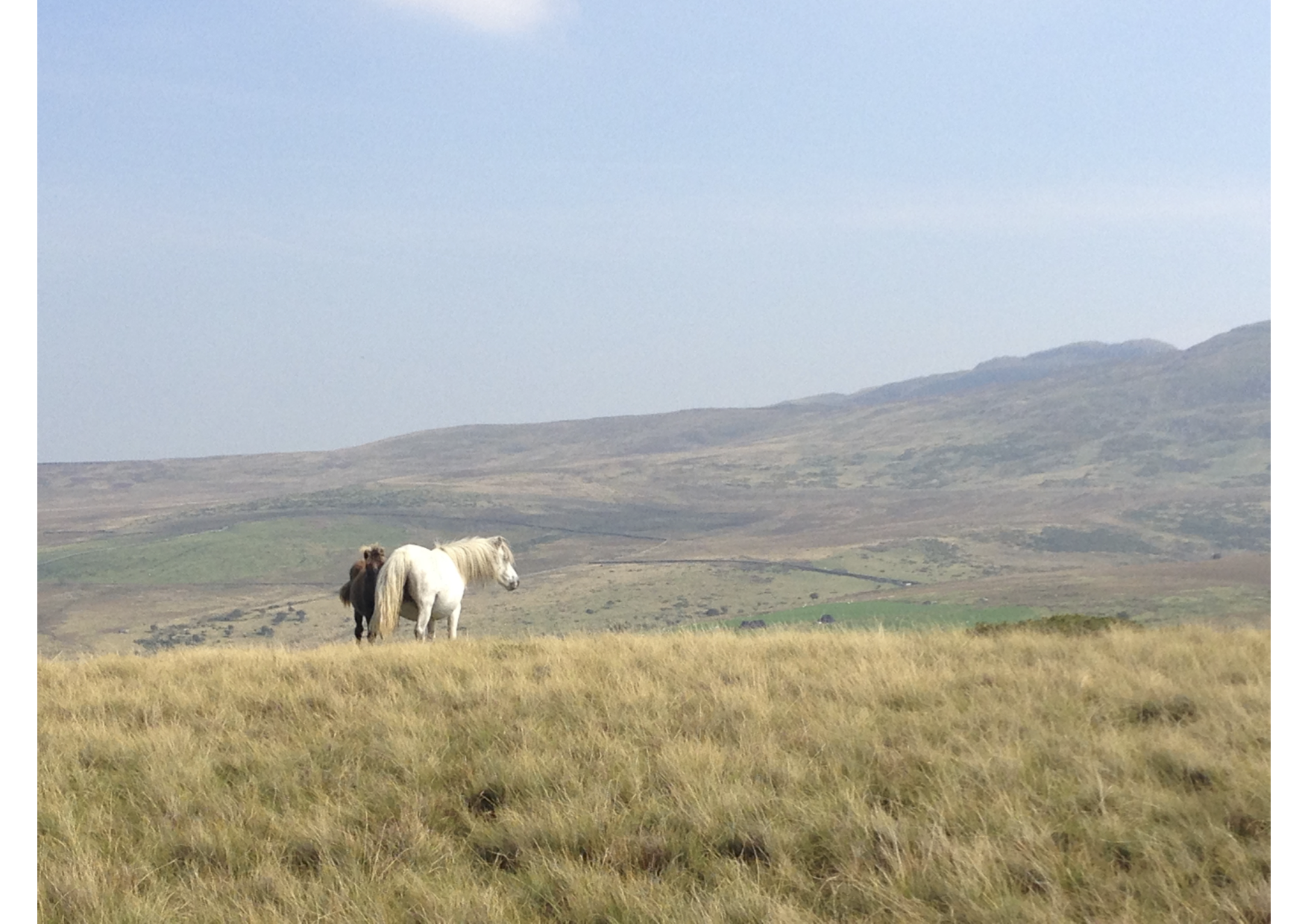

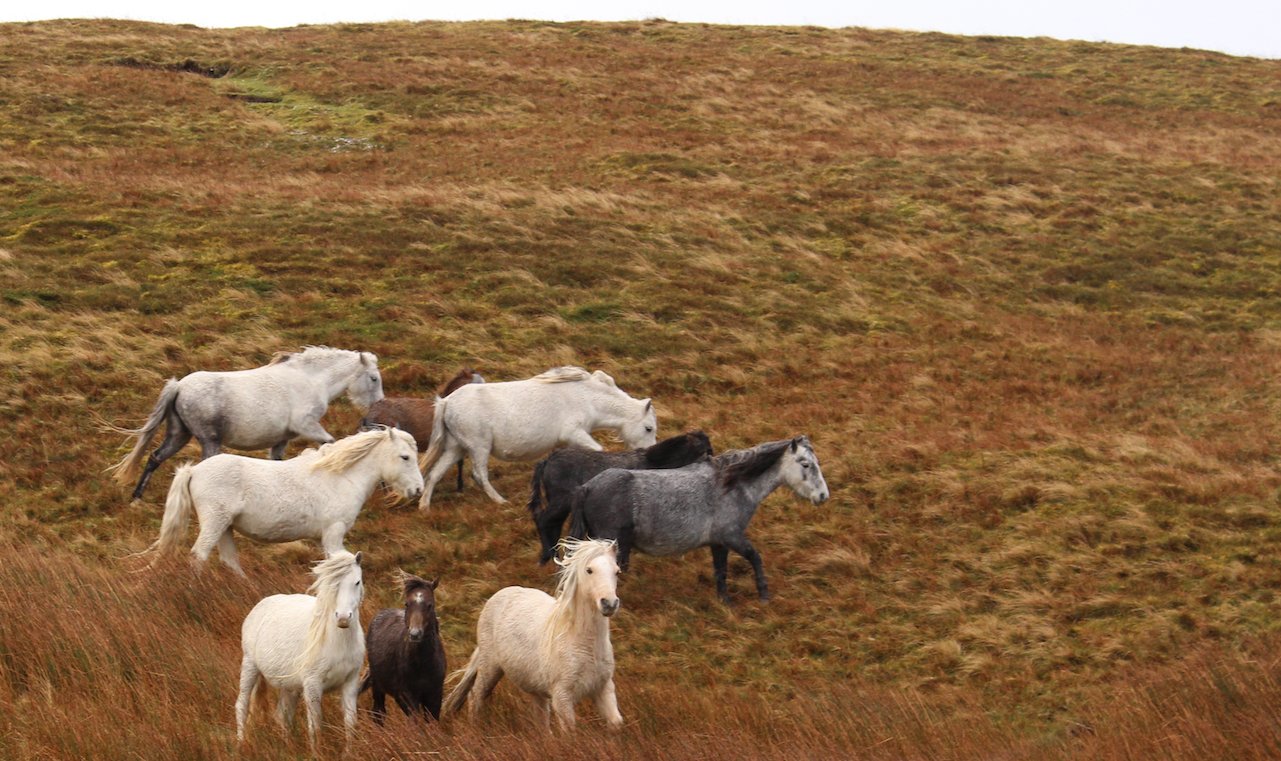
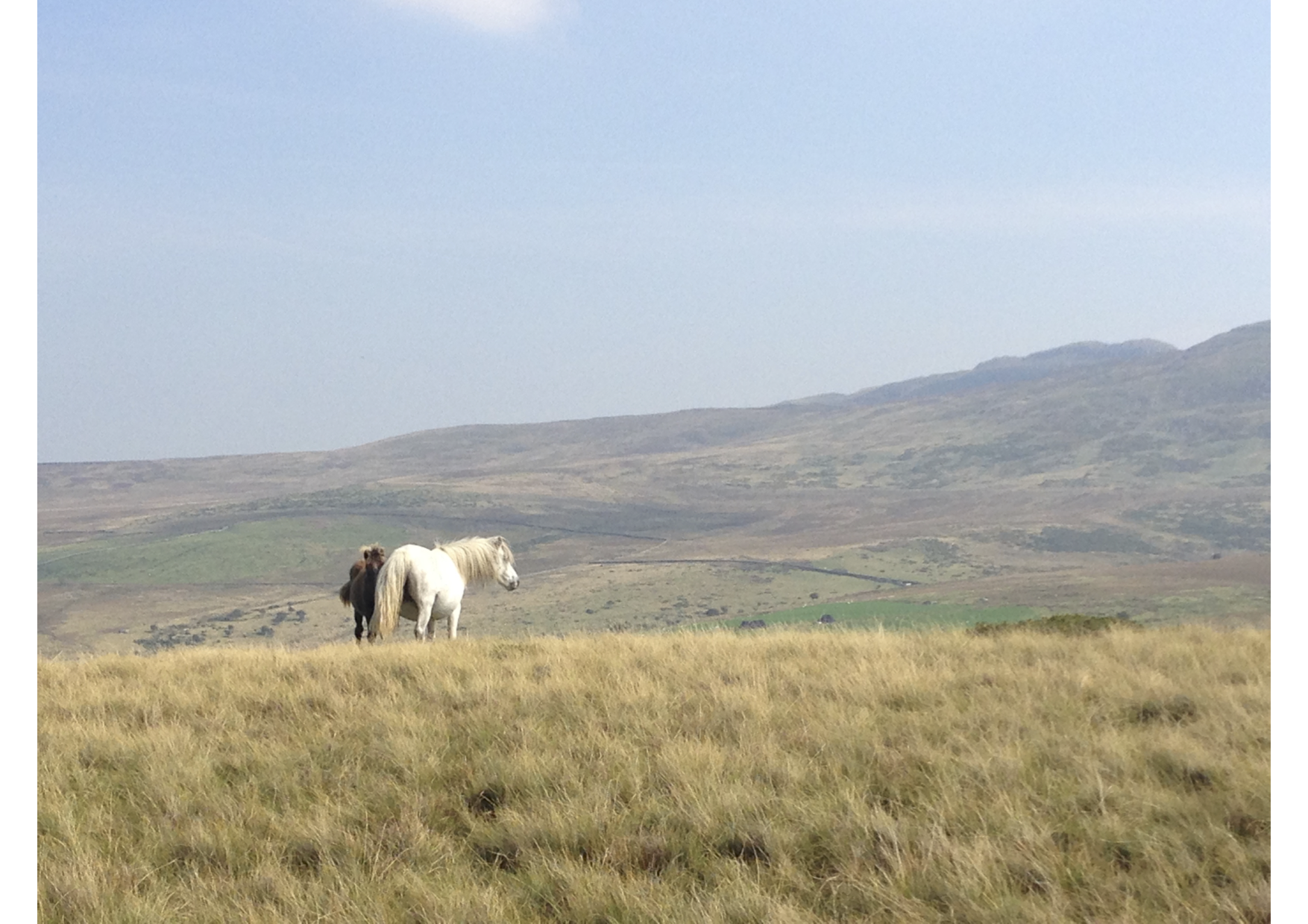
This “Behind the Paper” piece is partly a reflection on the work that went into producing our article (“Gut microbiome composition is associated with spatial structuring and social interactions in semi-feral Welsh Mountain ponies”), and partly a reflection on becoming a new PI, which was my experience during the lifetime of this output. The samples for this paper were collected back in 2014 when I was in the final months of my PhD write up, as part of Jess Lea’s PhD project on equid population ecology, social networks and physiology. At time we had no idea that would be studying the microbiome from these samples a couple of years later. I’m a big fan of writing from home and in the summer of 2014, I’d hadn’t left the house, or in fact been out of my pyjamas, for quite a while, so I decided to join Jess Lea for some pony field work in Snowdonia National Park. It was a ridiculously windy day and it was just what I needed - I could barely hear myself think - welcome relief after months of internalised pontification about bacteria on the skin of frogs. I was also happy to be looking into the distance for a change, rather than at a screen 6 inches from my face. I joined Jess a few more times, collecting more samples and photographing ponies in the Carneddau, because I enjoyed being outdoors and doing something unrelated to my own work. The ponies are very lightly managed: they are rounded up once a year for a health check but are otherwise left to roam across the Aber and Llanfarifechan common that covers much of the Carneddau mountains in Snowdonia.
That October I completed my PhD and flew to South Africa to start a postdoctoral research fellowship at North-West University. Less than a year later, I was (somewhat unexpectedly) back in north-west England and starting a lectureship at the University of Salford. The application, interview and relocation back to the UK had all happened within a month, and after being shown to my office on my first day at Salford, the silence descended and I thought to myself, “ah cr*p, what now?!”. I had to develop my own research programmes, and critically, find my own funding. In these early months of my lectureship, the phrase “diversify or die” was constantly at the forefront of my mind. Between this and “publish or perish”, there was hardly a moments peace! Although the field of amphibian skin microbiomes has been attracting a lot of attention for their role in protecting hosts from the highly infectious Batrachochytrium fungal pathogens, funding streams in the UK for this area are somewhat limited. In the fields of ecology and conservation, mammals by and large, receive greater attention. I was lucky to be back down the road from my alma mater, and my existing network provided a shoe-in to build a track record in an area outside frogs. Although we were friends, Susanne Shultz and I had not worked together before, and these samples were a good opportunity to bring together our seemingly disparate fields of microbial ecology (me) and evolutionary biology (Susanne). Relationships between social networks or population structure and microbiomes seemed conceptually possible, but the project was a bit of a leap into the unknown for both of us. Luckily, I had also been gifted a superb Masters student, Bryony Unwin, which made the whole process a lot easier.
In this paper, we show that microbiome composition is structured at multiple levels within populations of social mammals and thus, may form a unit on which natural selection can act. We also show that particular social interactions (i.e. mother-offspring, and stallion-mare) lead to convergence in microbiome composition. I’m sure there’s some parallels to be drawn here about social networks of wild ponies and social networks of academics, although I’m not sure if anyone is working on the converging microbiomes of collaborating scientists! Academia is structured at multiple levels, it is a highly competitive environment, and it can be particularly difficult for women. Being successful is hard, but solid social networks are key. I am lucky to have old comrades just down the road, although I’m alright with our microbiomes not converging!
The full paper can be accessed at: go.nature.com/2zFIOJ1

Follow the Topic
-
Microbiome
This journal hopes to integrate researchers with common scientific objectives across a broad cross-section of sub-disciplines within microbial ecology. It covers studies of microbiomes colonizing humans, animals, plants or the environment, both built and natural or manipulated, as in agriculture.

Related Collections
With Collections, you can get published faster and increase your visibility.
Oncobiome
This collection of papers delves into the burgeoning field of oncobiome research, exploring the intricate relationship between cancer and the microbiome. The oncobiome encompasses the diverse microbial communities residing in and on the human body, which influence cancer development, progression, and treatment responses. By examining these interactions, our aim is to unravel the complex mechanisms through which the microbiome impacts oncogenesis and therapeutic outcomes.
This compilation highlights cutting-edge research, offering insights into potential diagnostic markers and novel therapeutic strategies, thereby advancing our understanding of cancer biology and paving the way for innovative, microbiome-targeted cancer treatments.
This is a cross-journal collection between:
Experimental Hematology and Oncology
Articles will undergo the standard peer-review process of the journal to which they are submitted and are subject to either the BMC editorial policies or those of BJC Reports. Articles will be added to the Collection as they are published. The Editors have no competing interests with the submissions which they handle through the peer review process. The peer review of any submissions for which the Editors have competing interests is handled by another Editorial Board Member who has no competing interests.
Publishing Model: Open Access
Deadline: Ongoing
The Apple Microbiome
Microbiome and Environmental Microbiome are calling for submissions to our Collection on the Apple Microbiome.
With world apple production estimated at 84 million tons, the microbiome of the apple has significant implications for agriculture, food security, and human health. Understanding the complex interactions between apple plants and their associated microbial communities can lead to improved crop management strategies, enhanced fruit quality and longevity, and sustainable agricultural practices. Recent advances have highlighted the role of specific bacteria and fungi in promoting plant health and resilience against specific pathogens. Moreover, detailed profiling of these microbial communities, revealing their diversity and functional potential facilitate exciting future developments, such as the identification of beneficial microbial consortia for biocontrol and the formulation of tailored probiotic treatments for both plants and humans. By advancing our collective understanding in this area, we can work towards a more sustainable and resilient agricultural system.
Topics of interest include but are not limited to:
-Microbial diversity and function associated with apples
-Effects of soil health and rhizosphere interactions on apple production
-Impact of climate change on the apple microbiome
-Role of the apple microbiome in fruit quality
-Microbiome-driven strategies for disease resistance
This collection is open for submissions from all authors on the condition that the manuscript falls within both the scope of the collection and the journal it is submitted to.
All submissions in this collection undergo the relevant journal’s standard peer review process. Similarly, all manuscripts authored by a Guest Editor(s) will be handled by the Editor-in-Chief of the relevant journal. As an open access publication, participating journals levy an article processing fee (Microbiome, Environmental Microbiome). We recognize that many key stakeholders may not have access to such resources and are committed to supporting participation in this issue wherever resources are a barrier. For more information about what support may be available, please visit OA funding and support, or email OAfundingpolicy@springernature.com or the Editor-in-Chief of the journal where the article is being submitted.
Publishing Model: Open Access
Deadline: Sep 30, 2026