STREPTOMYCES SP. S6, A LIGNIN DEPOLYMERIZING BACTERIA ISOLATED FROM A TROPICAL ENVIRONMENT
Published in Microbiology
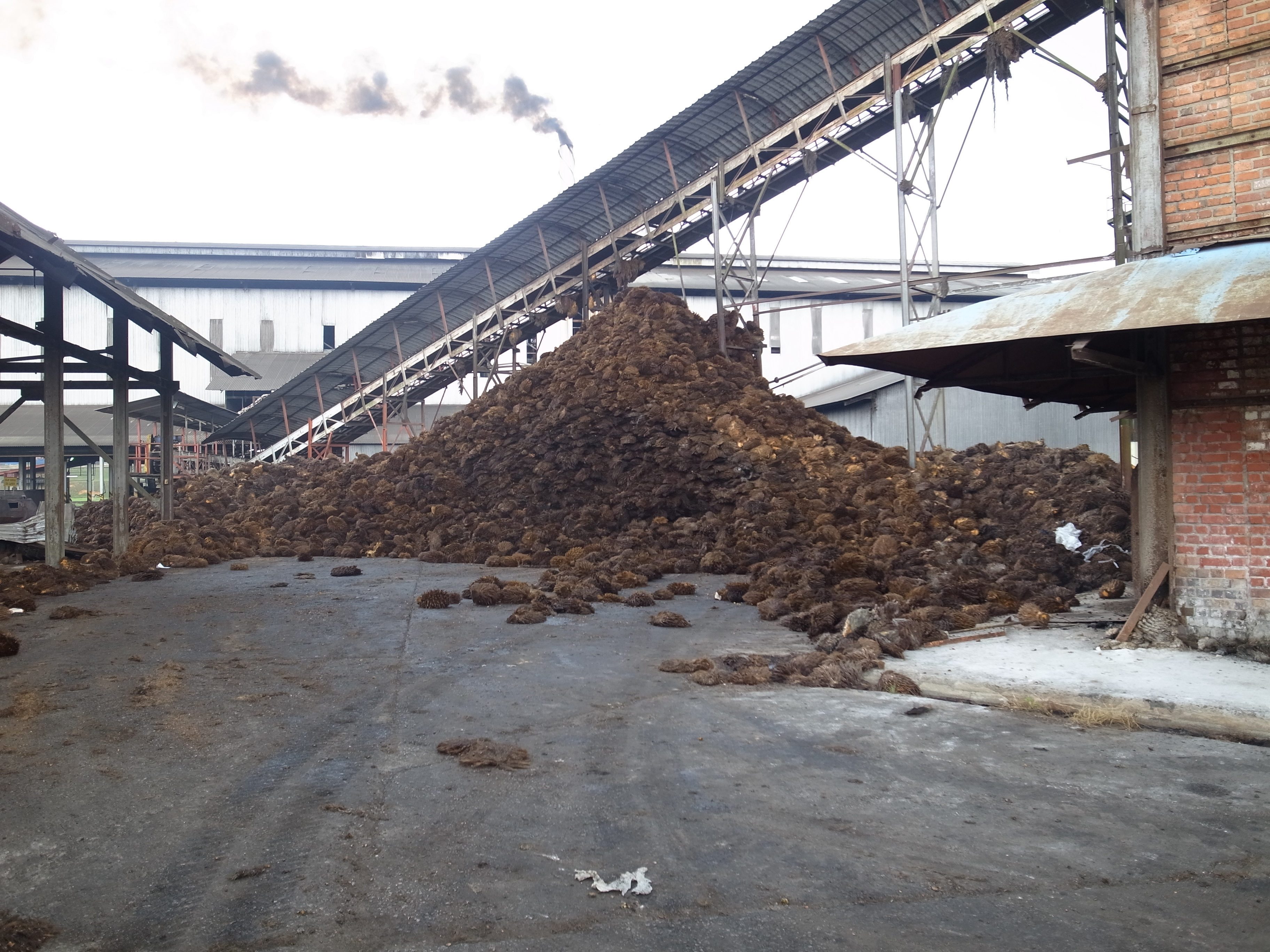

The idea of the research was driven by the urge to search for an efficient pre-treatment process to depolymerize the recalcitrant lignin fraction of the lignocellulose biomass. Lignin consists of a highly insoluble macromolecules with aromatic polyphenolic monomer units that are extremely difficult for degradation. Most of the physicochemical pre-treatments for the depolymerization of lignin are designed for high content fermentable sugars, resulting to non-uniform structure and presence of impurities to the lignin fraction. Thus, the residual lignin is often used as energy for power generation. However, lignin is the most abundant naturally produced aromatics feedstock on earth (15-30% of biomass). Native structure of lignin proposes that it can also be a source of a new chemical feedstock, predominantly in the formation of aromatic chemicals.
Biological treatment can be a suitable approach that can efficiently facilitate both, carbohydrates conversion, as well as lignin recovery and depolymerization for conversion into useful products. It is proposed that bacterial systems can be a suitable candidate to generate lignin-oxidizing enzymes for lignin degradation. Bacteria are well understood for their biochemical versatility, and rapid growth, in which their lignin metabolism can also be further explored. Besides, as a tropical country, Malaysia provides a more stable growth temperature for microorganisms compared to temperate countries where the temperature fluctuates year-round. We believed that microbes isolated from the local environment could have versatile biochemical characteristics that can also improve the biological treatment process.
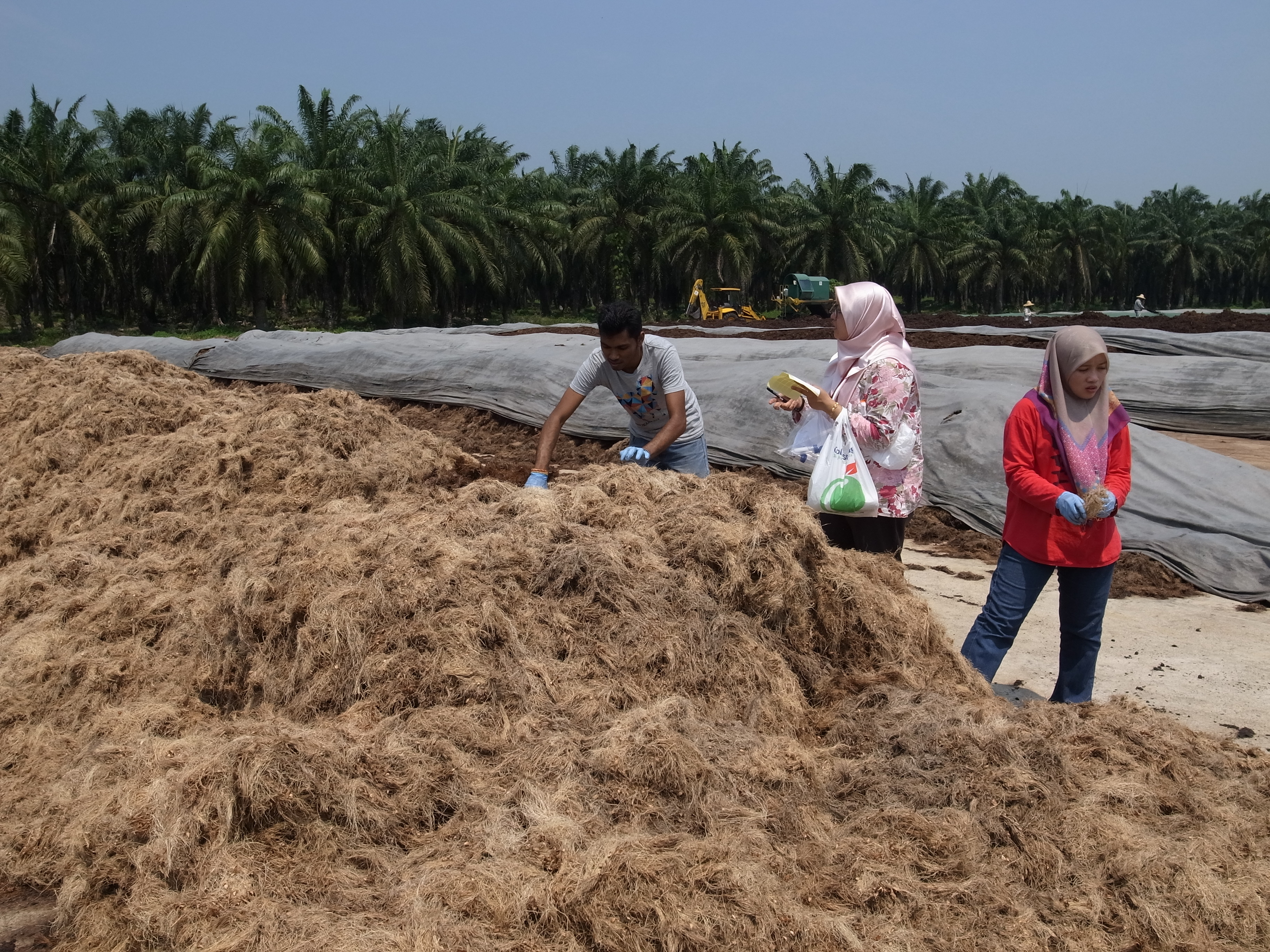
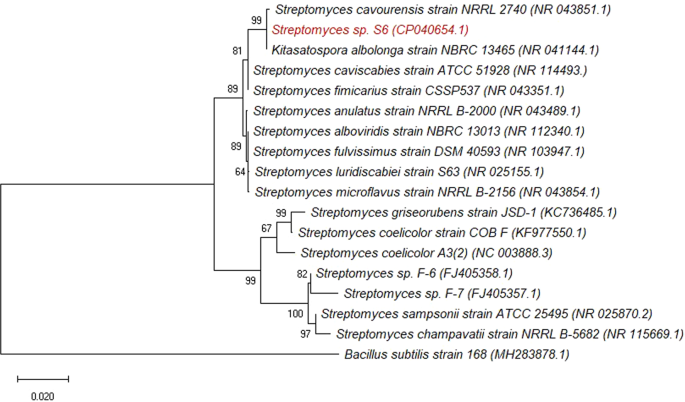
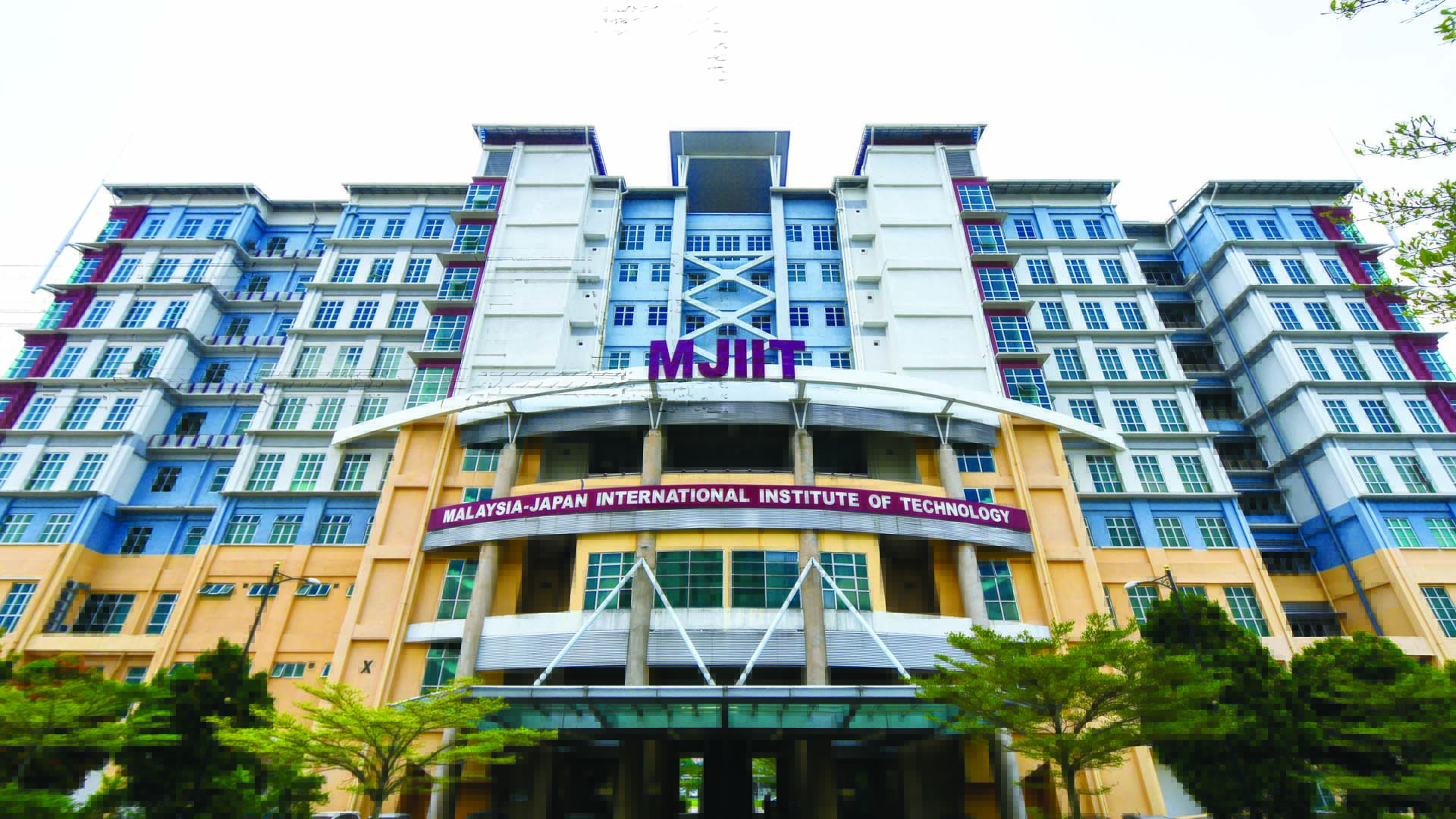
In our study, we have successfully isolated a ligninolytic bacteria, Streptomyces sp. S6 from palm oil wastes at Metabolic Engineering and Molecular Biology (MEMOBio) ikohza in Malaysia-Japan International Institute of Technology, Universiti Teknologi Malaysia. This isolate could metabolize Kraft lignin (KL) as sole carbon source and displayed lignin degradation capability, as shown from the Gel-permeation chromatography (GPC) analysis. GC–MS analysis also detected the production of useful low molecular weight lignin-derived compounds.
We also performed enzymatic assays of the extracellular peroxidases, such as lignin peroxidase (Lip), manganese peroxidase (MnP), and laccase (Lac), which have been highly reported especially in fungi to initiate lignin depolymerization. Based on our findings, although some activities were detected for LiP and Lac, analyzing the draft genome of strain S6 using Ion Torrent S5XL (also complete genome sequence of Streptomyces sp. S6 has been published) revealed low number of homologs with those reported enzymes. This indicates that isolated Streptomyces sp. S6 from tropical environment may possess unique sets of potential genes and lignin-degrading mechanisms to perform lignin metabolism.

Follow the Topic
-
Scientific Reports
An open access journal publishing original research from across all areas of the natural sciences, psychology, medicine and engineering.

Related Collections
With Collections, you can get published faster and increase your visibility.
Healthy Aging
Publishing Model: Open Access
Deadline: Dec 31, 2026
Kidney Disease and Health
Publishing Model: Open Access
Deadline: Oct 22, 2026




Please sign in or register for FREE
If you are a registered user on Research Communities by Springer Nature, please sign in