The vertical tree of journal rankings needs to grow more horizontal branches to stay truly rooted
Published in Social Sciences, Sustainability, and Law, Politics & International Studies
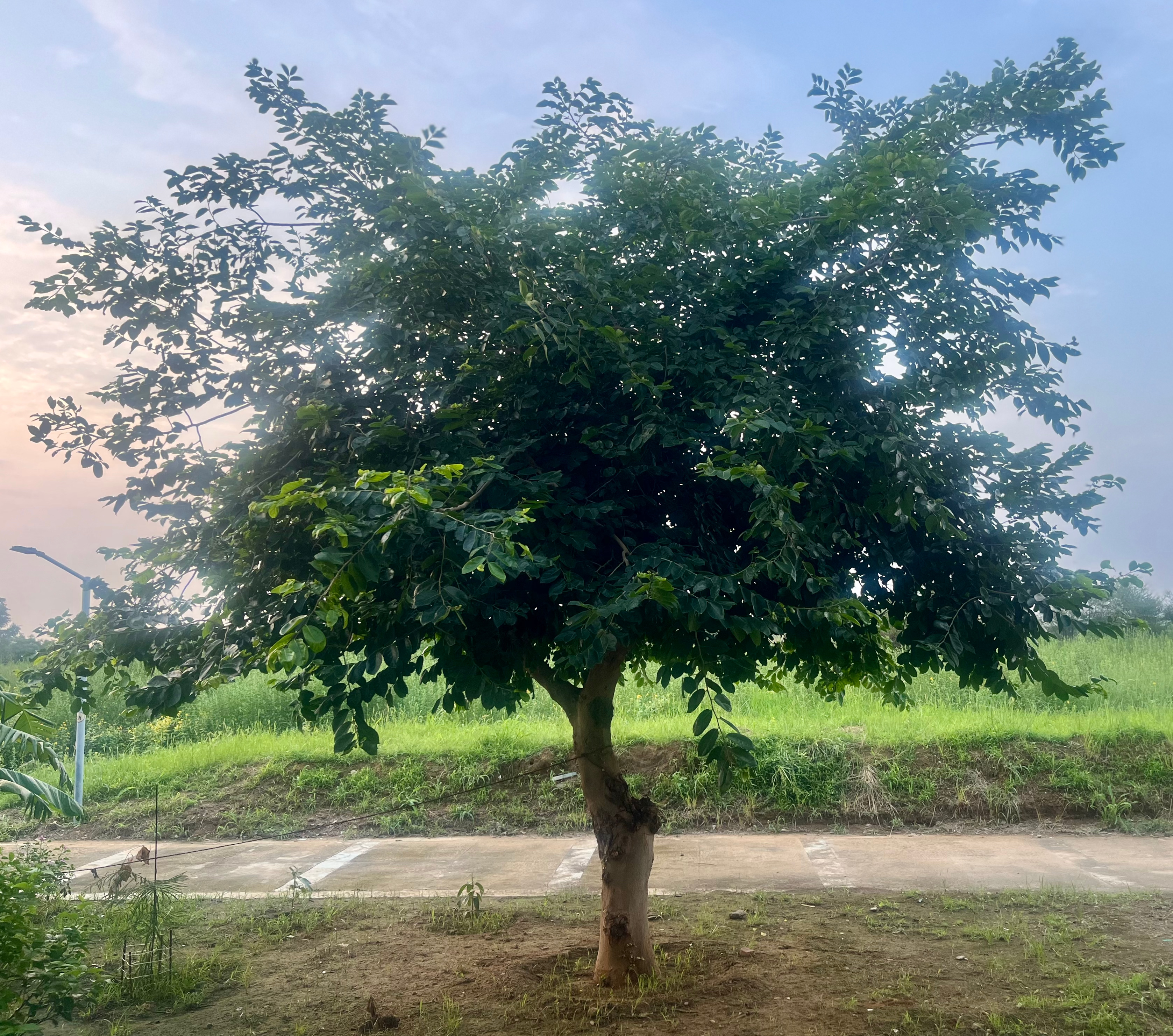


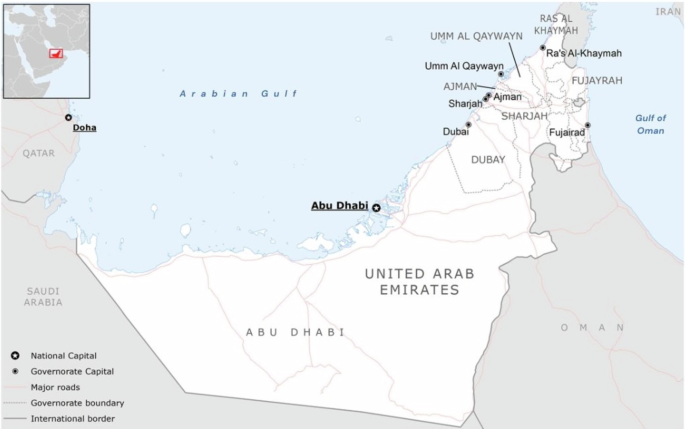

Our paper “From Living Heritage Values to Value-Based Policymaking: Exploring New Indicators for Abu Dhabi’s Sustainable Development” just reached 5,000 reads.
How do I feel about it? I’m naturally proud of our achievement, shared with my co-authors - @Dr. Giovanna Di Mauro, @Maxime Jaffré and @Sumaia -and supported by many others. Our work - the first-ever research grounded in Abu Dhabi to be published in Nature Portfolio’s Sociology and Social Policy subject areas - was accepted by a leading journal, Humanities and Social Sciences Communications. Our interdisciplinary approach is likewise novel, as it examines emotional engagement with heritage and shared values through the integrated lens of cultural and healthcare policy.
Five thousand reads is quite a lot for a recently published academic paper.
That said, my professional journey, closely connected to yet separate from the academic world, has led me to shift my personal perspective on research publishing, knowledge dissemination, and outreach.
Alongside the qualitative and quantitative reports we issue as part of the CultureSTATS-AD project - documents that help capture a defining period we are witnessing in Abu Dhabi’s rise as a global meeting place for culture, ideas, and innovation - we also periodically publish conceptual papers that back up our ongoing work and highlight forward-looking perspectives from this part of the world. A journal’s quartile (Q) ranking, percentile, and other metrics define much of the academic landscape today. We certainly aim to publish in the world’s leading Q1 journals to amplify our impact.
At the same time, as a practitioner, I place greater value on the real-world impact of research than on its rankings or academic implications.
I see sociological research as condensed knowledge - whether theory-based, practice-driven, or both - as insightful reading for any interested stakeholder worldwide, and as support for policymakers, civil society, businesses and communities seeking new ways to grow. It serves also as an archive of the social and cultural landscape at a given moment, a source of practice-informed learning for students, and a baseline for future research.
This level of engagement challenges the assumption that only Q1 and Q2 journals attract attention. Usage - not just rankings or emic citations among academic peers - reveals who is reading and learning from our work, and to what extent our research is truly impactful.
That’s why I believe promoting further open access (OA) publishing and recognizing a broader spectrum of peer-reviewed knowledge sources - alongside established Q1 and Q2 journals - is essential. Equally important is ensuring that published research reaches relevant stakeholders, to support new connections and multi-directional knowledge flows.
This calls for fresh approaches to enhance both the global visibility and perceived value of research beyond academia, while fostering inclusive spaces for interdisciplinary and cross-sector dialogue - locally as well as globally. Although such shifts may challenge rankings-based legacies, sociological research requires more decentralized systems of valuation to remain socially relevant and sustainable over time.
In brief, the vertical tree of rankings needs to grow more horizontal branches to stay truly rooted.

My research examines how public institutions can make better strategic decisions by integrating evidence, expertise, organisational knowledge, human judgement, and emerging technologies.
Since 2019, I have led the development of CultureSTATS-AD, the MENA region's first government-led cultural evidence programme. Developed with institutional partners, it supports cultural policy, strategic planning, resource allocation, sector development, and investment across Abu Dhabi's cultural ecosystem.
This experience raises a broader question: how can institutions evaluate different forms of knowledge, balance competing priorities, and make decisions that are transparent, implementable, and aligned with long-term objectives?
To address this question, I am developing Institutional Intelligence as a practical framework for understanding institutional decision-making. It examines how organisations generate and interpret evidence, mobilise expertise, exercise judgement, and translate knowledge into action while operating within political, administrative, financial, and regulatory constraints.
Through CultureSTATS-AD, I have led the development of Abu Dhabi's cultural evidence infrastructure, including metrics supporting the development of culture satellite account, heritage policy, and foundational sector datasets. I also contribute to working and advisory groups at the OECD, UNESCO, IFACCA, ENCATC, and the World Cities Culture Forum (WCCF).
My current research explores how stronger institutional capabilities can improve the quality, accountability, and strategic value of public sector decision-making.
I hold a PhD from the École des Hautes Études en Sciences Sociales (EHESS) and have taught in France at the University of Avignon and in India at the Indian Institute of Management Rohtak (IIM Rohtak).
I write on evidence-informed governance, institutional decision-making, and cultural policy for the World Economic Forum, OECD Cogito, and WeiyangX.
🔗 LinkedIn: Dr. Elena Raevskikh on LinkedIn
🎓 Academia.edu: Elena Raevskikh on Academia.edu
🆔 ORCID: ORCID Profile (0000-0002-2836-0345)
Follow the Topic
-
Humanities and Social Sciences Communications
A fully open-access, online journal publishing peer-reviewed research from across—and between—all areas of the humanities, behavioral and social sciences.
📢 Introducing: # Human Rights
# Human Rights is a Topic jointly created by Springer and Palgrave Macmillian to increase visibility and impact of research in this area and facilitate exchange amongst researchers.
Continue reading announcementRelated Collections
With Collections, you can get published faster and increase your visibility.
Environmental advocacy: psychological and behavioural dynamics
Publishing Model: Open Access
Deadline: Nov 25, 2026
Tourists, go home? Sustainable tourism in popular destinations
Publishing Model: Open Access
Deadline: Dec 18, 2026