The association of body composition and fat distribution with dysmobility syndrome in community-dwelling older adults
Published in Healthcare & Nursing, Biomedical Research, and Public Health
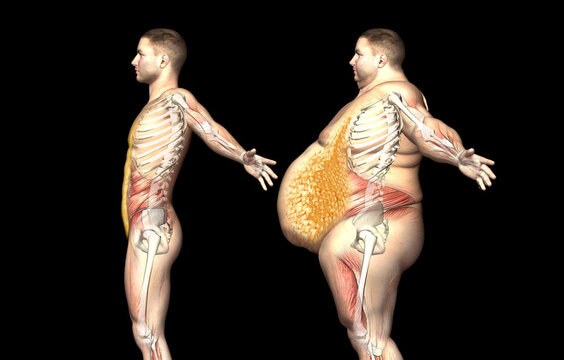
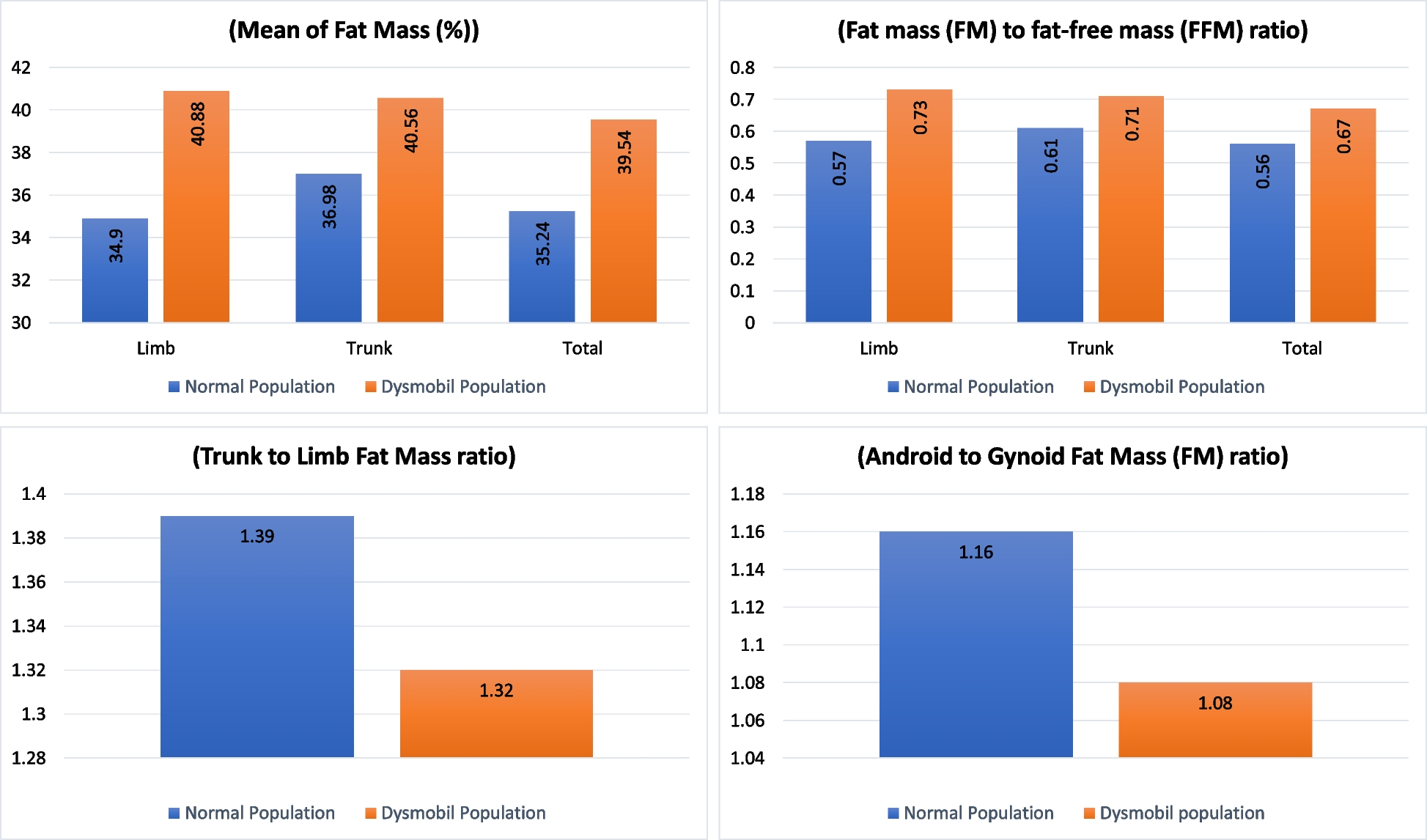

Dysmobility Syndrome (DS) is a condition characterized by the accumulation of clinical risk factors for functional disability, including osteoporosis, sarcopenia, and obesity. Additionally, neurological disorders affecting the motor and sensory systems can contribute to DS, leading to gait disturbances, muscle weakness, and an increased risk of falls and fractures. Despite the known impact of body composition on DS, the role of fat distribution in different body regions remains unclear.
This study aimed to investigate the association between regional fat mass distribution and the likelihood of DS in older adults. Conducted as part of the second phase of the Bushehr Elderly Health (BEH) Cohort, this cross-sectional study defined DS based on the presence of at least three criteria associated with the syndrome. Body composition was assessed using dual-energy X-ray absorptiometry (DXA) and anthropometric measurements, while multivariate logistic regression and adjusted univariate linear regression analyses were applied to explore these relationships.
Among 2,359 participants, 1,277 individuals (54.13%) were diagnosed with DS. The final logistic regression model revealed a significant association between DS and both fat mass (FM) and the FM-to-fat-free mass (FFM) ratio in the limbs region, with stronger associations observed in this region compared to the trunk. Specifically, higher fat mass in the limbs, particularly in the legs, was associated with increased odds of DS. Conversely, a higher android-to-gynoid fat mass ratio was linked to a lower risk of DS.
These findings highlight the critical role of regional fat distribution in DS risk among older adults. Our results suggest that monitoring fat mass, particularly in the limbs, may serve as an effective strategy for early DS detection and intervention. By implementing targeted screening and preventive measures, healthcare professionals can reduce disability risks and improve the quality of life in aging populations.

I am Mohammad Mehdi Khaleghi, an researcher with a multidisciplinary foundation in clinical nutrition, sports nutrition, and exercise physiology.
I hold a B.Sc. in Nutrition Sciences and M.Sc. in Exercise Physiology (specializing in Nutrition and Sport).
Currently a Ph.D. candidate in Exercise Physiology at Shahid Chamran University of Ahvaz.
Honors & Achievements:
-
2025: Selected as the National Exemplary Student of Iran.
- 2025: Distinguished Educational Scholar at Persian Gulf University, Bushehr.
-
2024: Awarded as the Top Researcher at Persian Gulf University.
-
2023: Awarded as the Top National Researcher among Iran’s Medical Universities.
-
2022 & 2023: Awarded as the Best Intra-University Researcher at Bushehr University of Medical Sciences.
Expertise & Skills:
-
Clinical & Sports Nutrition
-
Human Nutrition & Metabolic Diseases
-
Research & Laboratory Animal Studies
-
Exosome Isolation
-
Anthropometric Measurements
-
Statistical Analysis (SPSS, Stata)
-
Graphic Design (Adobe Photoshop, Illustrator)
-
ICDL Certification
My academic and research endeavors focus on the intersection of Clinical nutrition, nutrition and exercise performance, aiming to explore the role of nutrients in metabolic health and athletic performance.
Follow the Topic
-
BMC Musculoskeletal Disorders
BMC Musculoskeletal Disorders is an open access, peer-reviewed journal that considers articles on all aspects of the prevention, diagnosis and management of musculoskeletal disorders, as well as related molecular genetics, pathophysiology, and epidemiology.

Related Collections
With Collections, you can get published faster and increase your visibility.
Alignment strategies in total knee arthroplasty
As the field of total knee arthroplasty moves beyond a one-size-fits-all mechanical alignment paradigm, increasing attention is being paid to personalized alignment strategies that aim to restore native knee anatomy, joint kinematics, and functional biomechanics. This collection will explore the theoretical foundations, technical execution, and clinical implications of kinematic, functional, restricted, and mechanical alignment approaches, as well as their role within modern, patient-centered total knee arthroplasty (TKA) practice to highlight how different alignment strategies affect postoperative function, implant survivorship, complication rates, and patient-reported outcomes.
Topics of interest include, but are not limited to:
- Comparative outcomes of mechanical, kinematic, functional, and restricted alignment in total knee arthroplasty
- Development and clinical application of personalized alignment strategies
- Biomechanical and kinematic implications of different alignment philosophies
- Impact of alignment strategy on patient-reported outcomes, function, and satisfaction
- Alignment considerations in complex or atypical knee anatomy
- Integration of alignment strategies with modern surgical techniques and technologies
All manuscripts submitted to this journal, including those submitted to collections and special issues, are assessed in line with our editorial policies and the journal’s peer-review process. Reviewers and editors are required to declare competing interests and can be excluded from the peer review process if a competing interest exists.
Publishing Model: Open Access
Deadline: May 12, 2027
Micro-mechanical signaling in tendon and ligament healing
Tendon and ligament tissues are highly responsive to mechanical stimuli, and their healing is strongly influenced by cellular and molecular signaling triggered by physical loading. Advances in biomechanics, regenerative medicine, and molecular biology have improved understanding of how mechanosensors and intracellular pathways regulate tissue remodeling, repair, and functional recovery. This Collection seeks contributions that investigate the biological, biomechanical, and therapeutic aspects of micro-mechanical signaling in tendon and ligament healing, from fundamental mechanisms to translational applications.
Topics of interest include, but are not limited to:
- Mechanotransduction pathways in tendon and ligament tissues
- Mechanosensors involved in cellular adaptation to mechanical stress
- Intracellular signaling mechanisms regulating repair and regeneration
- Mechanical loading and its influence on tissue remodeling
- Mechanotherapy and rehabilitation strategies for musculoskeletal healing
- Extracellular matrix dynamics during tendon and ligament repair
- Stem cells, biomaterials, and tissue engineering approaches
- Biomechanical and computational models of tendon and ligament healing
- Neural, inflammatory, and regenerative responses to mechanical stimulation
- Translational, preclinical, and clinical studies related to tendon and ligament recovery
All manuscripts submitted to this journal, including those submitted to collections and special issues, are assessed in line with our editorial policies and the journal’s peer-review process. Reviewers and editors are required to declare competing interests and can be excluded from the peer review process if a competing interest exists.
Publishing Model: Open Access
Deadline: Jun 11, 2027