The concealed big players
Published in Microbiology
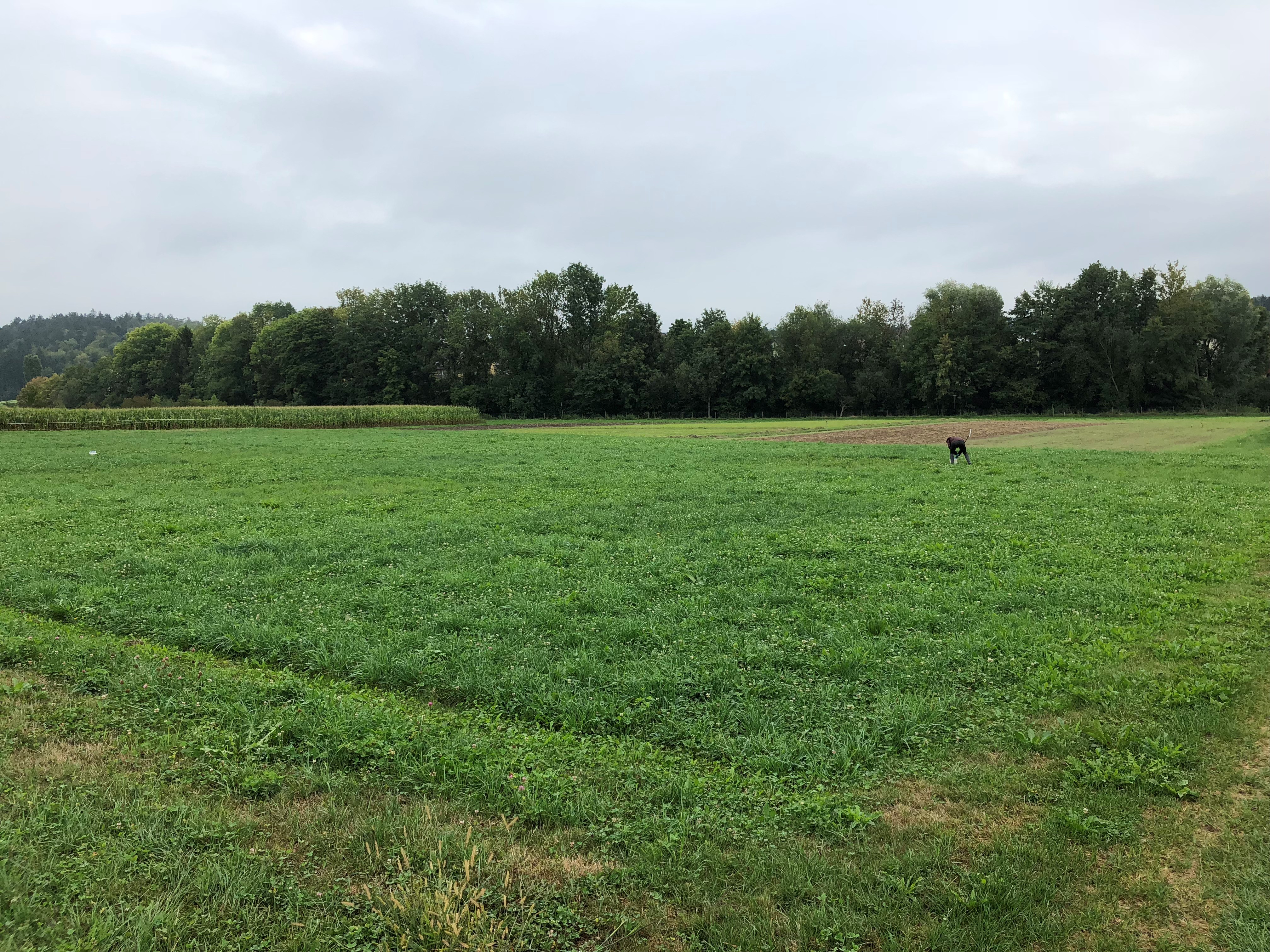

Virtually all animal life on Earth is dependent on bacteria – including us humans, where bacteria play an essential role in health and outnumber our body cells by a factor of 10. Moving away from the human microbiome into other ecosystems, we typically find 40 million bacterial cells in a gram of soil – which is the same number as individuals currently living in California - and another 1 million bacteria in a drop of seawater. And while the world has focused its attention on bacteria as the director of Life, we have neglected those organisms that control the controller of Life – Bacteriophages. Bacteriophages (phages) are viruses that naturally prey on bacteria and therefore hold critical roles in many ecosystem cycles. For instance, marine phages remove 20-40% of all bacterial cells in seawater daily, thereby influencing global biochemical carbon cycling and ocean productivity. Similarly, soil is not just dirt and bacteria. An estimated 100 million phages per gram of soil outnumber bacteria 10-100 fold. And deduced from their relevance in marine ecosystems, one can only speculate on the impact of phages on the worlds’ food supplier – agricultural soil.
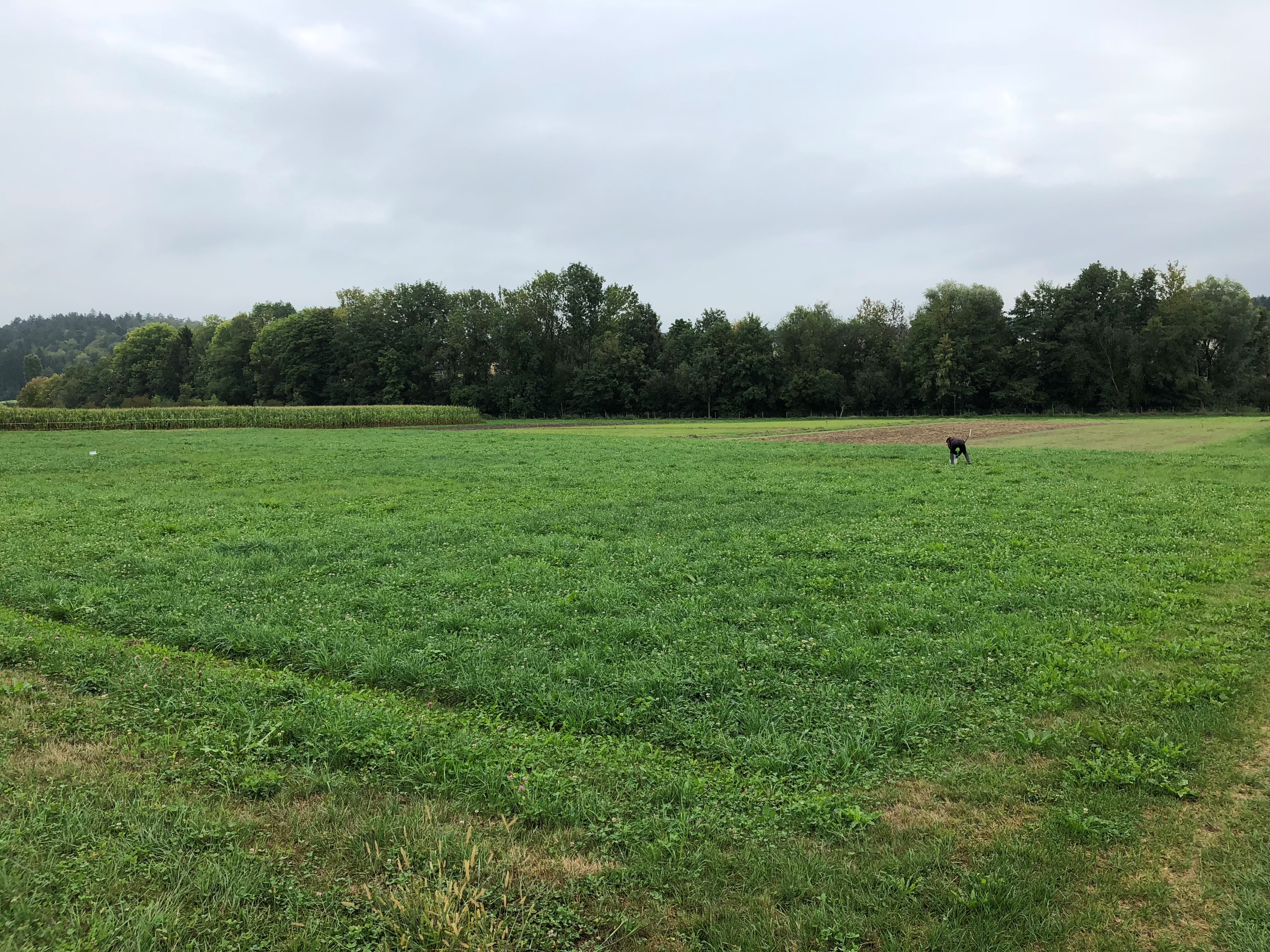
We have started to investigate the soil “virome” – a collective term for all phage entities in a given sample, due to their yet largely undiscovered significance. However, who would have thought that capturing this massive number of phages requires a year of work and optimization? Naturally, bacteriophages like to interact and easily attach to particles in any solid matrix. We therefore were not surprised to observe a reduction of spiked phages after the initial elution, but were startled by the complete absence of any infective particle with standard buffers on our detection hosts. It took us from there another two months to find an adequate formula that allowed a sufficient recovery of spiked phages from soil samples, and which simultaneously enabled filtration and concentration methods.
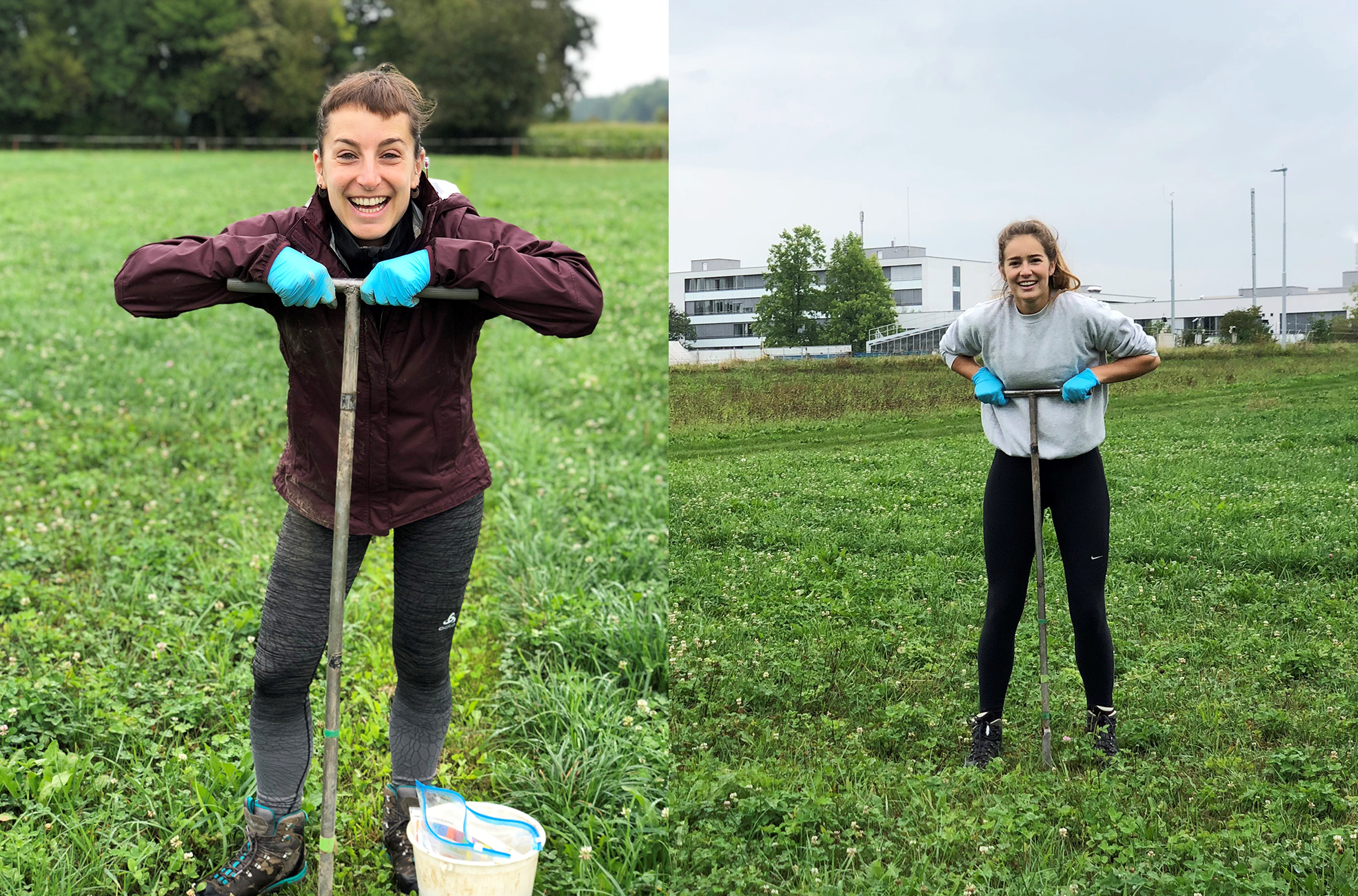
Once optimal extraction routes for soil bacteriophages were identified and four soil viromes sequenced, we were excited to obtain a first glimpse using virome analysis. That it would take us another two months of manual phage-bacteria categorization of > 37,000 contigs prior any evaluation, was not expected. This immense repetitive work however, turned out to be critical, enabling reliable conclusions regarding soil viruses and non-viral contaminations. When focusing on the > 13’000 manually identified viral contigs, and their meager annotation with hardly any structural proteins, it became clear that a plethora of knowledge and biological significance awaits to be discovered.

Follow the Topic
-
Microbiome
This journal hopes to integrate researchers with common scientific objectives across a broad cross-section of sub-disciplines within microbial ecology. It covers studies of microbiomes colonizing humans, animals, plants or the environment, both built and natural or manipulated, as in agriculture.

Related Collections
With Collections, you can get published faster and increase your visibility.
Oncobiome
This collection of papers delves into the burgeoning field of oncobiome research, exploring the intricate relationship between cancer and the microbiome. The oncobiome encompasses the diverse microbial communities residing in and on the human body, which influence cancer development, progression, and treatment responses. By examining these interactions, our aim is to unravel the complex mechanisms through which the microbiome impacts oncogenesis and therapeutic outcomes.
This compilation highlights cutting-edge research, offering insights into potential diagnostic markers and novel therapeutic strategies, thereby advancing our understanding of cancer biology and paving the way for innovative, microbiome-targeted cancer treatments.
This is a cross-journal collection between:
Experimental Hematology and Oncology
Articles will undergo the standard peer-review process of the journal to which they are submitted and are subject to either the BMC editorial policies or those of BJC Reports. Articles will be added to the Collection as they are published. The Editors have no competing interests with the submissions which they handle through the peer review process. The peer review of any submissions for which the Editors have competing interests is handled by another Editorial Board Member who has no competing interests.
Publishing Model: Open Access
Deadline: Ongoing
The Apple Microbiome
Microbiome and Environmental Microbiome are calling for submissions to our Collection on the Apple Microbiome.
With world apple production estimated at 84 million tons, the microbiome of the apple has significant implications for agriculture, food security, and human health. Understanding the complex interactions between apple plants and their associated microbial communities can lead to improved crop management strategies, enhanced fruit quality and longevity, and sustainable agricultural practices. Recent advances have highlighted the role of specific bacteria and fungi in promoting plant health and resilience against specific pathogens. Moreover, detailed profiling of these microbial communities, revealing their diversity and functional potential facilitate exciting future developments, such as the identification of beneficial microbial consortia for biocontrol and the formulation of tailored probiotic treatments for both plants and humans. By advancing our collective understanding in this area, we can work towards a more sustainable and resilient agricultural system.
Topics of interest include but are not limited to:
-Microbial diversity and function associated with apples
-Effects of soil health and rhizosphere interactions on apple production
-Impact of climate change on the apple microbiome
-Role of the apple microbiome in fruit quality
-Microbiome-driven strategies for disease resistance
This collection is open for submissions from all authors on the condition that the manuscript falls within both the scope of the collection and the journal it is submitted to.
All submissions in this collection undergo the relevant journal’s standard peer review process. Similarly, all manuscripts authored by a Guest Editor(s) will be handled by the Editor-in-Chief of the relevant journal. As an open access publication, participating journals levy an article processing fee (Microbiome, Environmental Microbiome). We recognize that many key stakeholders may not have access to such resources and are committed to supporting participation in this issue wherever resources are a barrier. For more information about what support may be available, please visit OA funding and support, or email OAfundingpolicy@springernature.com or the Editor-in-Chief of the journal where the article is being submitted.
Publishing Model: Open Access
Deadline: Sep 30, 2026