The Impact of Epstein-Barr Virus on Autoimmune Neuromuscular Disorders: A Comparative Study of Myasthenia Gravis and Guillain–Barre Syndrome

Autoimmune disorders occur when the immune system malfunctions and mistakenly identifies normal cellular components of the body as foreign, leading to a destructive response against its molecules.

Published in Immunology

The Impact of Epstein-Barr Virus on Autoimmune Neuromuscular Disorders: A Comparative Study of Myasthenia Gravis and Guillain–Barre Syndrome
Like

Share this post

Choose a social network to share with, or copy the URL to share elsewhere

This is a representation of how your post may appear on social media. The actual post will vary between social networks

Explore the Research

SpringerLink
SpringerLink SpringerLink

The Impact of Epstein-Barr Virus on Autoimmune Neuromuscular Disorders: A Comparative Study of Myasthenia Gravis and Guillain–Barre Syndrome - Current Treatment Options in Neurology

Purpose of Review The aim is to elucidate the mechanisms of autoimmune dysregulation that contribute to the onset and course of Guillain–Barre Syndrome (GBS) and Myasthenia Gravis (MG), with an emphasis on the important role that the Epstein-Barr virus (EBV) plays as an exacerbator or trigger of these autoimmune reactions. It further explores diagnostic strategies and therapeutic approaches to improve patient outcomes. Recent Findings Recent researches have underscored the challenging nature of EBV due to its insidious behavior and persistent latency, which make it difficult to create successful preventive and therapeutic approaches. These discoveries have revealed how EBV’s ability to induce host immune dysfunction can exacerbate or spark inflammatory processes, leading to its association with various autoimmune diseases such as systemic lupus erythematosus, multiple sclerosis, rheumatoid arthritis, and Sjögren’s syndrome. Moreover, this review will shed light on the intricate connections between EBV and autoimmune neuromuscular disorders like MG and GBS, emphasizing the urgent requirement for further investigation to devise effective strategies against EBV-related conditions. Summary MG and GBS, while both autoimmune illnesses affecting the neuromuscular system, differ greatly in their pathogenesis and clinical presentation. Viral infections, notably EBV, are vital in causing or aggravating these diseases. Understanding the link between EBV and autoimmune dysregulation could enhance diagnostic accuracy, therapeutic approaches, and preventive options, such as antiviral medications or vaccinations. Continued research and interdisciplinary collaboration are crucial to clarify how EBV affects MG and GBS, potentially leading to tailored treatments. Identifying precise biomarkers and pathways will improve clinical protocols, public health standards, and education on the EBV-autoimmunity relationship.

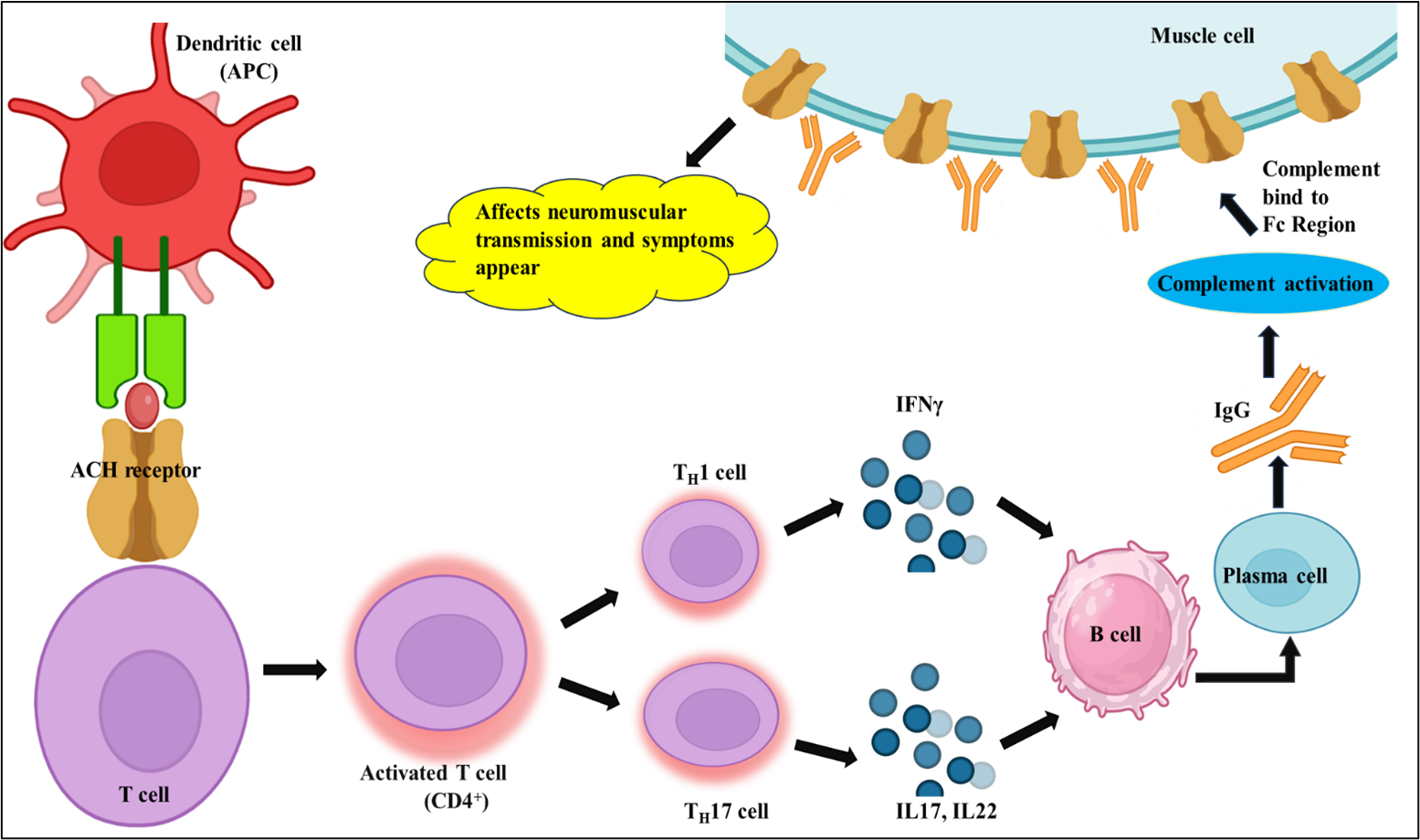
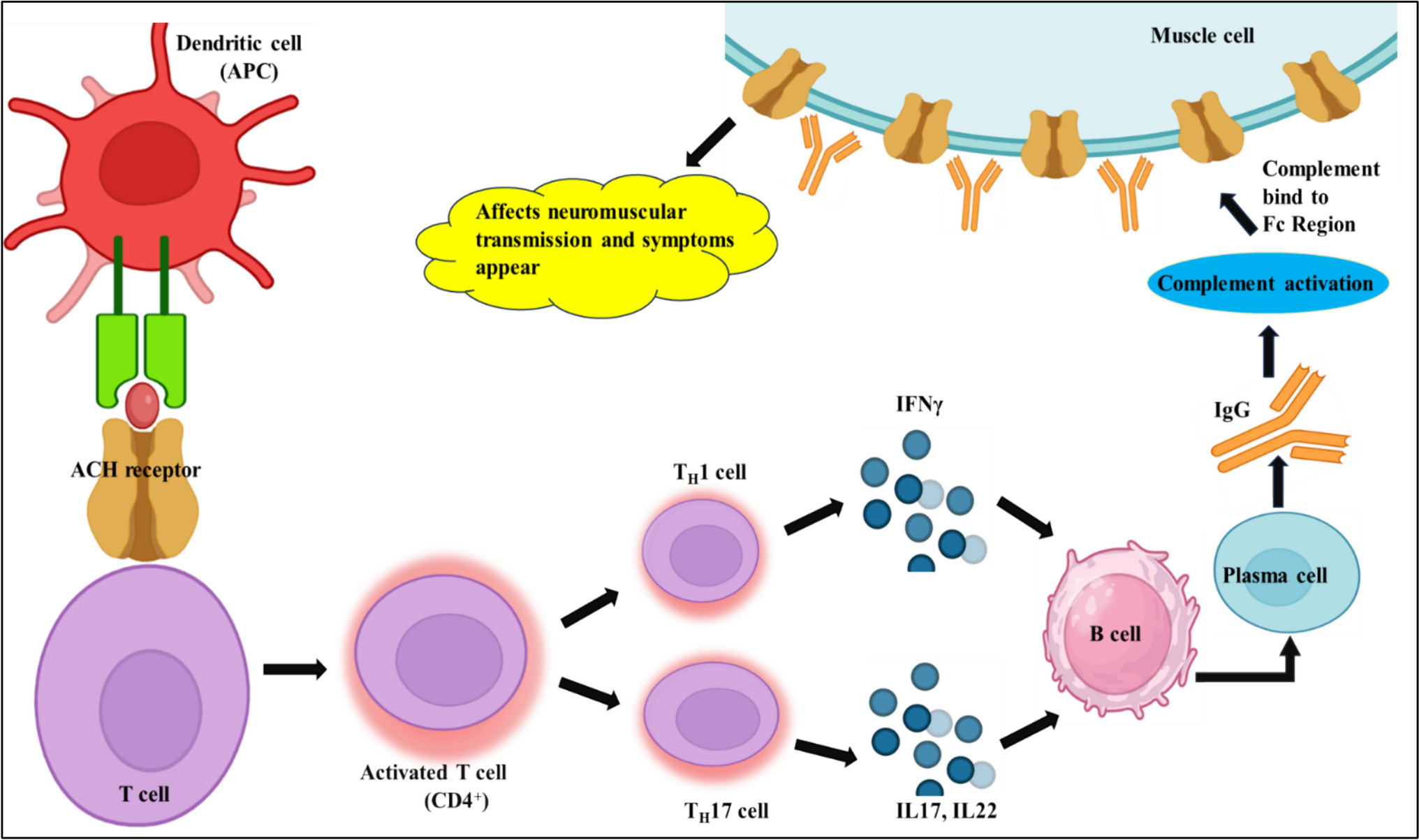
The Myasthenia Gravis and Guillain–Barre Syndrome are both autoimmune disorders affecting the neuromuscular system, and they differ significantly in their pathophysiology and clinical presentation. MG is characterized by autoantibodies targeting ACh receptors at the neuromuscular junction, leading to muscle fatigue, while GBS involves an acute autoimmune attack on peripheral nerves, often triggered by preceding infections. Viral infections, particularly EBV, have been implicated in triggering or exacerbating these autoimmune reactions. Understanding the intricate relationship between viral infections and autoimmune dysregulation is crucial for improved diagnostic strategies and therapeutic interventions. Also, highlighting the common genetic factors helps researchers gain insights into the underlying mechanisms of autoimmune diseases and potentially identify targets for therapeutic intervention. Awareness of EBV's role in these diseases can lead to preventive strategies, such as antiviral treatments or vaccines, that could reduce the incidence or severity of EBV-associated autoimmune responses. Continued research and interdisciplinary collaboration are vital to understanding the mechanisms by which EBV influences MG and GBS, which can lead to more personalized treatment approaches, targeting the underlying viral infection, and investigating the immunological mechanisms, such as molecular mimicry and chronic infection, which can enhance diagnostic accuracy and lead to more effective treatments. Understanding the link between EBV and GBS can assist in identifying patients at risk following an EBV infection and guide the development of therapeutic strategies to prevent or mitigate GBS. Identifying and elucidating specific biomarkers and pathways will improve clinical protocols, public health guidelines, and education about the EBV-autoimmunity link, addressing genetic and environmental factors in disease etiology. Thus, additional research is warranted to enhance our knowledge of these disorders and provide more efficient treatment strategies.



Follow the Topic

Autoimmune Diseases
Life Sciences > Biological Sciences > Immunology > Immunological Disorders > Autoimmune Diseases

Related Collections

With Collections, you can get published faster and increase your visibility.

Topical Collection on Multiple Sclerosis and Related Disorders

Topical Collection on Multiple Sclerosis and Related Disorders is a collection of articles that explores the pathophysiology, diagnosis, and treatment of multiple sclerosis (MS) and related neurological conditions. This collection includes topics such as the immunological and genetic basis of MS, advancements in imaging and diagnostic techniques, emerging therapeutic strategies, and management of symptoms and comorbidities.

Publishing Model: Hybrid

Deadline: Ongoing

Topical Collection on Dementia

Topical Collection on Dementia is a collection of articles that explores various aspects of dementia, including its diagnosis, treatment, and management. This collection includes topics such as neurobiological mechanisms, early detection techniques, pharmacological and non-pharmacological interventions, and caregiver support strategies.

Publishing Model: Hybrid

Deadline: Ongoing