The Role of Extracellular Vesicles in Aging: An Overview and Implications
Published in Healthcare & Nursing
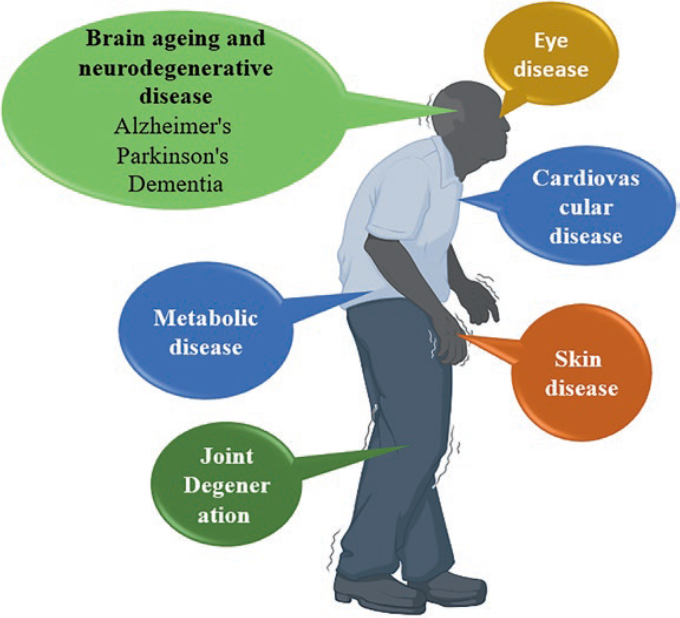


Extracellular vesicles (EVs) have emerged as critical mediators of intercellular communication, playing a significant role in aging and age-related diseases. They carry diverse cargo, including miRNAs, proteins, and lipids, which reflect the cellular state and undergo changes during aging. Through their ability to transfer bioactive molecules between cells, EVs influence various aspects of aging, such as cellular senescence, stem cell rejuvenation, proteostasis, immune function, neurodegeneration, and epigenetic regulation. Moreover, the content of EVs holds promise as non-invasive biomarkers for age-related diseases and overall health status, offering potential diagnostic and therapeutic opportunities. Researchers are increasingly studying the potential of EVs as preventative agents against diseases related to aging, given that preventing aging is an urgent requirement of industrialized societies. This research may become a new focus of study in the current medical field. The extracellular vesicles represent a promising avenue of research for understanding aging processes and identifying potential interventions. By delving deeper into their cargo and functional roles, we can harness the power of EVs to unlock novel diagnostic tools and therapeutic strategies for age-related diseases, ultimately contributing to healthier and more productive aging.