Traditionally used medicinal plants for human ailments and their threats in Guraferda District, Benchi-Sheko zone, Southwest Ethiopia
Published in Biomedical Research
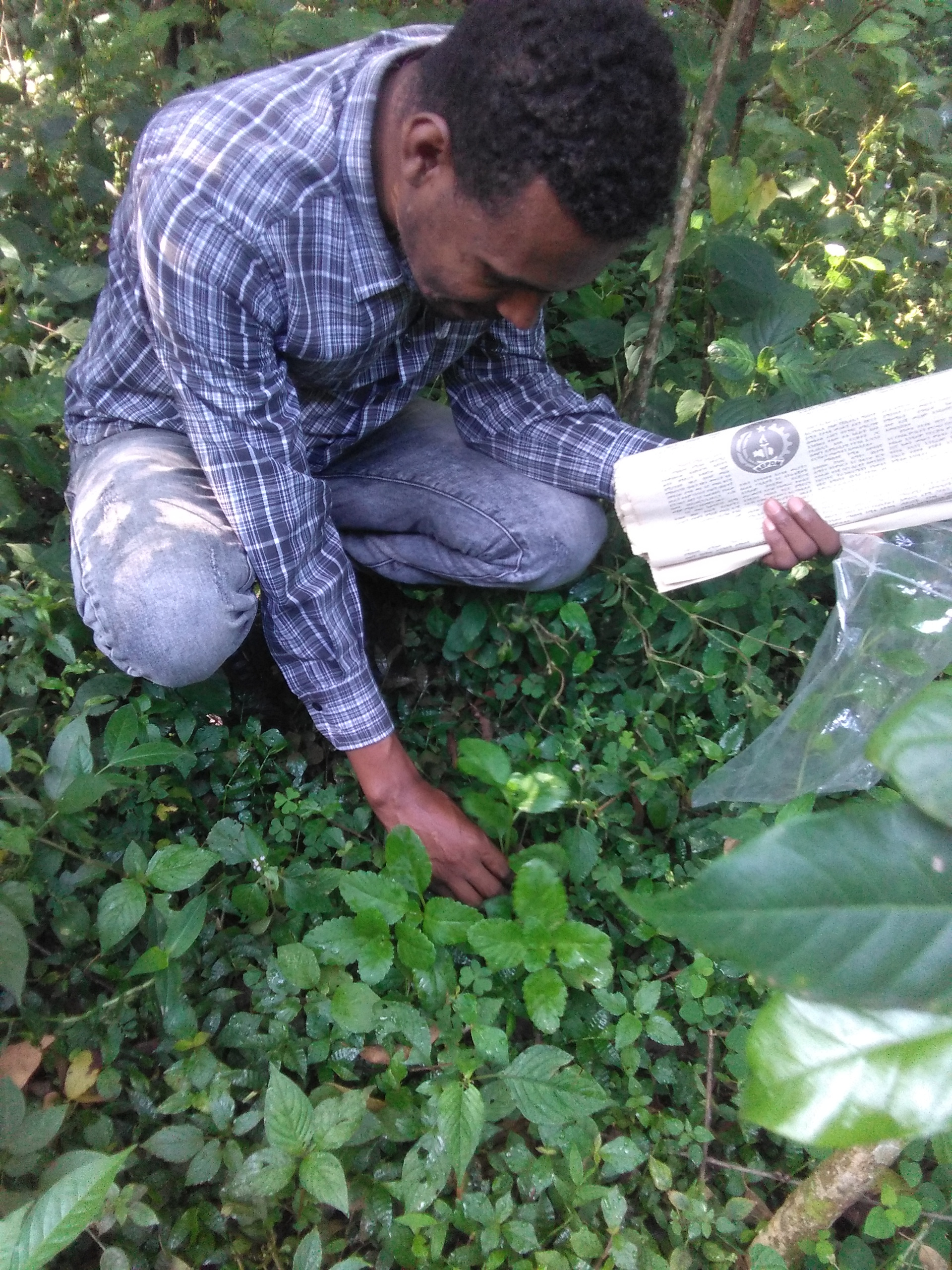

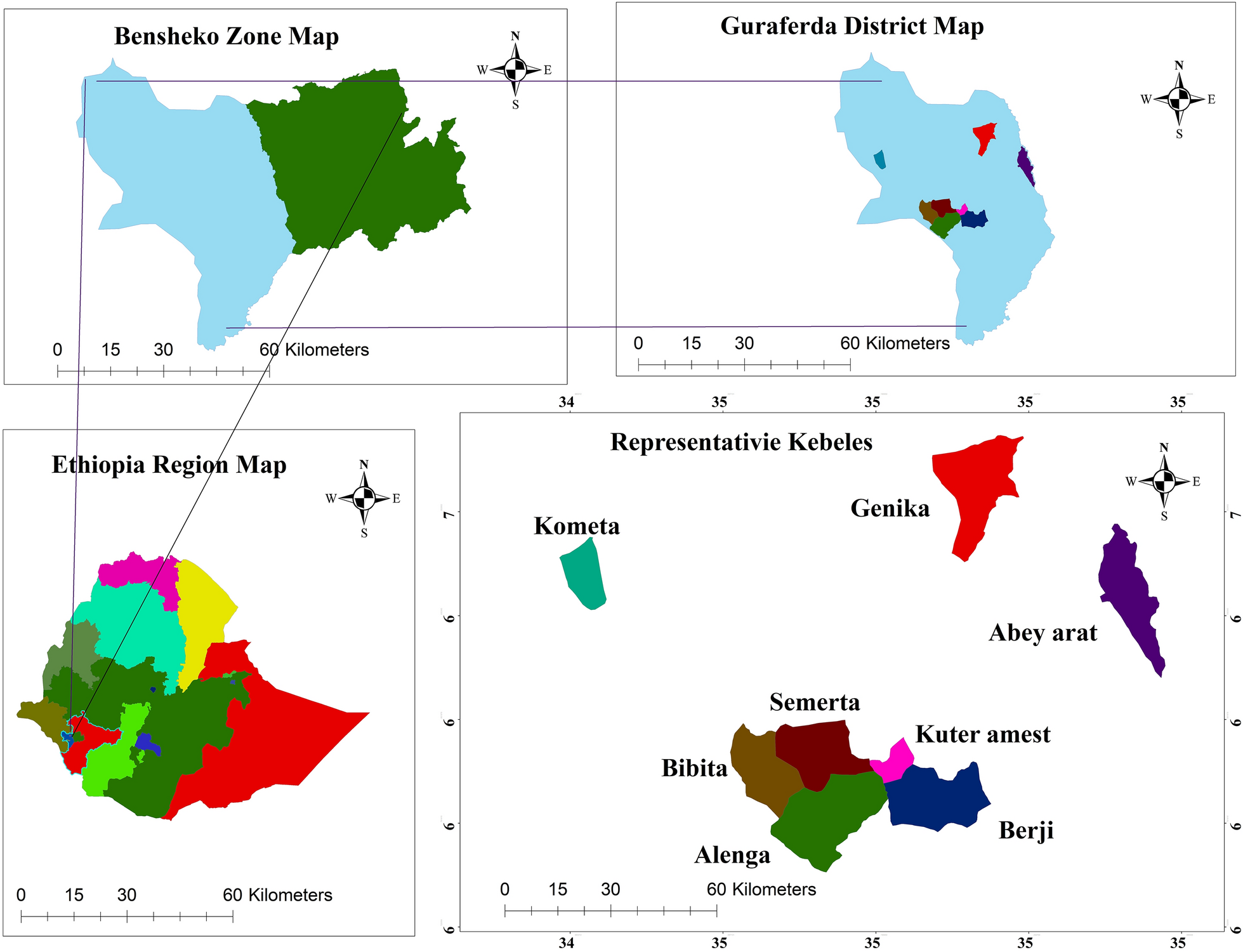

The field of traditional medicine encompasses a wide range of knowledge, skills, and practices that are deeply rooted in the theories, beliefs, and experiences of different cultures. The research aimed to identify traditional medicinal plants used in Guraferda District and assess the threats they face. A total of 96 individuals, 80 males and 16 females, were interviewed to gather ethnobotanical data. Statistical tests like independent t tests, ANOVA, correlation, and regression were conducted using R software version 4.3.2 to compare informant groups. The study found 81 medicinal plant species in the district from 71 genera and 38 families, with Asteraceae and Solanaceae families having the most species. Leaves were the most commonly used plant part for medicine. Significant differences in plant knowledge were observed across genders, age groups, education levels, and experiences. The highest ICF value was for Dermal and Cutaneous ailments, and Cissampelos mucronata A. Rich and Bidens pilosa L. had the highest fidelity levels. The study highlighted the importance of traditional medicinal plants in treating ailments but noted threats like overharvesting, habitat destruction, and climate change. Conservation efforts and sustainable harvesting practices are crucial to ensure the availability of these plants for future generations. Further research is needed to explore their potential for modern medicine and develop sustainable use strategies.

I am a dedicated educator and researcher with a diverse academic background, holding a BSc in Applied Biology from UoG and an MSc in Botanical Science from MTU. Additionally, I have PGDT from Ambo University and BSc in DRM and sustainable development. My experience includes manuscript reviews for international journals and multiple publications in Scopus-indexed journals. Currently, I am a lecturer at MTU, passionate about sharing knowledge and fostering academic growth.
Disciplines
Botany
Follow the Topic
-
Journal of Ethnobiology and Ethnomedicine
This journal publishes original research focusing on cultural perceptions of nature and of human and animal health. It invites research articles, reviews and commentaries concerning the investigations of the inextricable links between human societies and nature, food, and health.

Related Collections
With Collections, you can get published faster and increase your visibility.
Digital Pathways in Ethnobiology and Ethnomedicine: Integrating Traditional Knowledge with Computational Science
This collection examines how ethnobiological and ethnomedical knowledge can be preserved, analyzed, and expanded through modern digital and computational tools. Inspired by the ETHCSTWIN initiative, it highlights interdisciplinary research that connects traditional medicinal knowledge with big data, AI, and collaborative open-science frameworks.
The collection welcomes contributions on:
- Digital preservation and documentation of ethnobiomedical heritage, including manuscripts, folklore, and ethnobotanical records.
- Computational and AI‑based methods—such as machine learning, data mining, NLP, and systems biology—for analyzing large ethnobiomedical datasets and generating therapeutic insights.
- Development of digital infrastructures, including relational databases, knowledge graphs, and integrated platforms for data curation and reuse.
- Interdisciplinary methodologies that bridge ethnobiomedical research with data science, bioinformatics, and cheminformatics.
- Capacity building and collaborative models that strengthen cross‑regional research ecosystems, particularly those linking the Balkans, Mediterranean, and Central Europe.
- Future applications, including translational potential for phytotherapy, drug discovery, and community‑driven knowledge exchange.
All submissions in this Collection undergo the journal’s standard peer review process, and all manuscripts authored by a Guest Editor(s) are handled by the Editor-in-Chief. As an open access publication, this journal levies an article processing fee (details here). We recognize that many key stakeholders may not have access to such resources and are committed to supporting participation in this issue wherever resources are a barrier. For more information about what support may be available, please visit OA funding and support, or email OAfundingpolicy@springernature.com or the Editor-in-Chief.
Publishing Model: Open Access
Deadline: Dec 16, 2026
Ethnobiological and Ethnoecological Knowledge Systems in Environmental Education
Environmental education is an increasingly important area of research, particularly in relation to sustainability, biodiversity loss, environmental change, and acute nature deficit in the everyday lives of urbanised populations. In parallel, ethnobiology, ethnoecology, and related ethnosciences have a long tradition of generating empirically grounded insights into human interactions with biological and ecological systems. This includes how knowledge of plants, animals, fungi, ecosystems, climate patterns, and health is developed, maintained, conceptualized, and transmitted within specific environmental and cultural contexts. Despite these shared concerns, research that explicitly integrates environmental education with ethnobiological, ethnoecological, and ethnomedical sciences remains relatively limited and dispersed across disciplines.
This Collection invites contributions that examine environmental education through ethnobiological, ethnoecological, and ethnomedical perspectives that are firmly rooted in biological and ecological research. The focus is on how knowledge of biodiversity, ecosystems, environmental variability, and health is learned, shared, and transmitted within communities, drawing on field-based, observational, and analytical approaches from ethnobiology, ecology, biology, and allied sciences. In addition to documenting practical knowledge, contributions may also explore more abstract or theoretical dimensions of environmental learning—such as local systems of classification, ecological reasoning, pattern recognition, seasonal calendars, or weather and climate prediction—as they relate to environmental education.
Rather than broad discussions of educational theory or curriculum design, the Collection emphasizes place-based, community-embedded, and empirically informed approaches to understanding environmental learning in real-world ecological contexts. Particular attention is given to how environmental knowledge is embedded in everyday practices, livelihoods, and interpretive frameworks that connect biophysical observation with cultural meaning and environmental decision-making.
We welcome studies addressing both formal and informal learning environments, including intergenerational knowledge transmission, community-based educational practices, and the role of Indigenous and local knowledge systems in shaping ecological understanding, environmental awareness, and stewardship. Particular encouragement is given to contributions that explicitly link ethnobiological and ethnoecological knowledge systems with ecological processes, biodiversity outcomes, environmental variability (including weather and climate), or human and animal health, highlighting their relevance to contemporary environmental and health challenges.
Topics of interest include, but are not limited to:
- Ethnobotanical, ethnozoological, ethnomycological, or ethnoecological knowledge in environmental learning contexts.
- Biological and ecological dimensions of cultural knowledge transmission related to plants, animals, fungi, ecosystems, and environmental variability.
- Community-based and field-based approaches to learning about biodiversity, ecosystems, weather patterns, and environmental change.
- Indigenous and local knowledge systems as sources of ecological insight, environmental reasoning, and environmental practice.
- Local systems of environmental observation, classification, and prediction (e.g., seasonal cycles, weather forecasting, climate indicators) in educational contexts.
- Connections between ethnobiology, environmental learning, and human or animal health
- Implications of ethnobiological and ethnoecological research for environmental, nutritional, public health, or climate-related education and policy.
- Practical examples of how local knowledge systems are integrated into formal education, both in teaching practices and curriculum content.
- Case studies that compare or assess the short‑ and long‑term impacts of different approaches to embedding local ecological knowledge in formal and non‑formal environmental education.
All submissions in this Collection undergo the journal’s standard peer review process, and all manuscripts authored by a Guest Editor(s) are handled by the Editor-in-Chief. As an Open Access publication, this journal levies an article processing fee (details here). We recognize that many key stakeholders may not have access to such resources and are committed to supporting participation in this issue wherever resources are a barrier. For more information about what support may be available, please visit OA funding and support, or email OAfundingpolicy@springernature.com or the Editor-in-Chief.
Publishing Model: Open Access
Deadline: Jan 29, 2027



Please sign in or register for FREE
If you are a registered user on Research Communities by Springer Nature, please sign in