Understanding goat production systems in diverse agro-ecological zones under subtropical climate: a farmer-centered survey approach
Published in Sustainability and Agricultural & Food Science
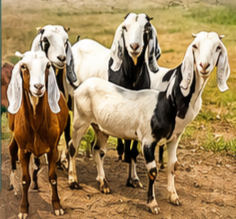


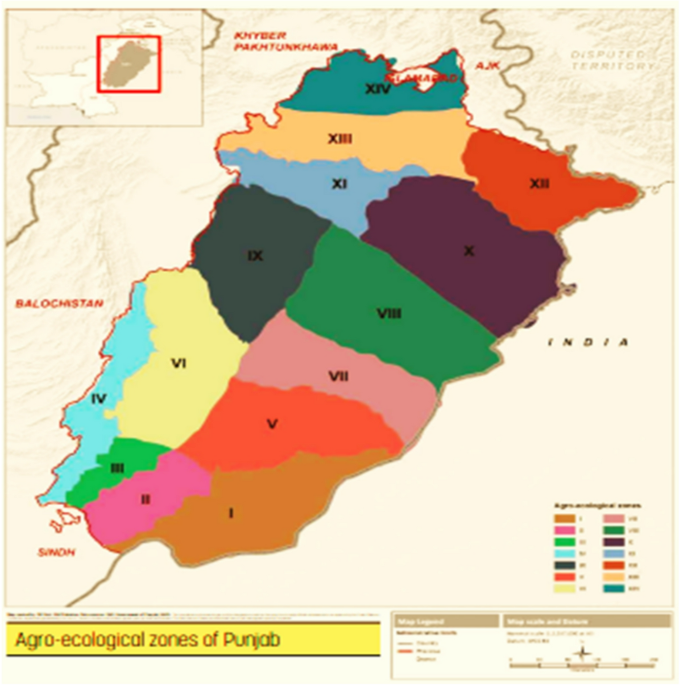

To better understand the opportunities and challenges facing goat farmers in Punjab, Pakistan, our laboratory conducted a farmer-centered survey involving 50 commercial Beetal goat farmers across five agro-ecological zones of Punjab, ranging from high-rainfall regions to semi-arid areas. The study explored how farmers manage breeding, feeding, housing, kid rearing, and animal health under diverse environmental conditions.
The survey revealed that goat farming in Punjab is largely based on practical experience and traditional knowledge. Most farmers (98%) practiced semi-intensive production systems that combined grazing with stall feeding, while 98% regularly vaccinated their animals and nearly all (99%) provided additional nutrition to pregnant goats. Farmers also demonstrated strong observational skills, with 94% able to recognize signs of estrus and 74% monitoring pregnancy through physical changes.
Despite these strengths, several constraints continue to limit productivity. More than half of the farmers (53%) had no formal education, and nearly 90% relied on memory rather than written records for managing their herds. Artificial insemination services were absent across all surveyed regions, and only 22% of farmers were aware of this technology. Knowledge of crossbreeding and inbreeding management was also limited.
Environmental conditions strongly influenced animal welfare and reproductive performance. Nearly 90% of farmers lacked adequate winter housing, while 94% reported kid mortality, with cold stress identified as the leading cause by 71% of respondents. Reproductive losses were also common, with abortion and dystocia reported by 39% and 31% of farmers, respectively.
These findings demonstrate that Punjab's goat farmers possess valuable practical knowledge but would benefit from targeted support in housing, record-keeping, genetic improvement, reproductive technologies, and climate-resilient management. The results provide a roadmap for designing region-specific extension programs and research initiatives to improve productivity, animal welfare, and farmers' livelihoods across subtropical production systems.

Follow the Topic
-
International Journal of Biometeorology
The International Journal of Biometeorology serves as the flagship publication of the International Society of Biometeorology, and thematically reflects the Society’s core research interests.

What are SDG Topics?
An introduction to Sustainable Development Goals (SDGs) Topics and their role in highlighting sustainable development research.
Continue reading announcement