Understanding the Roots of Fear That Affect Oral Health
Published in General & Internal Medicine
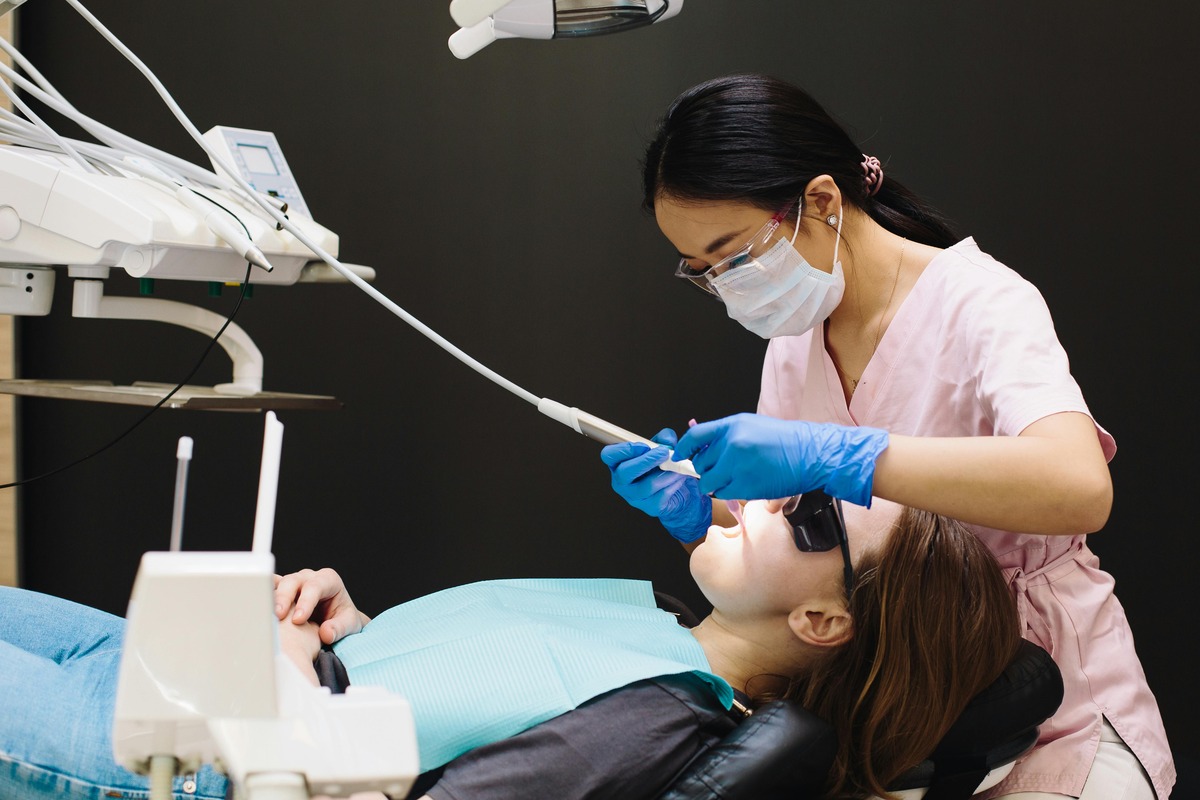
Fear of Dental Treatment Is More Common Than Many People Realize
For many people, visiting the dentist is not simply another routine healthcare appointment. It can trigger feelings of tension, worry, or even intense fear long before they sit in the dental chair. Dental anxiety is one of the most common forms of healthcare-related fear, affecting millions of individuals worldwide.
This fear exists on a spectrum. Some people feel mild uneasiness before dental visit, while others experience such strong anxiety that they postpone visits for months or even years. In more severe cases, individuals may avoid dental care altogether until pain or visible dental problems make treatment unavoidable.
The consequences of this avoidance can be significant. Regular dental visits play important role in preventing oral diseases, detecting problems early, and maintaining long-term oral health. When fear keeps people away from the dentist, small and manageable issues can gradually develop into more complex conditions that require more extensive treatment.
From a clinical perspective, dentists frequently encounter patients who openly admit that fear has delayed their visit. Many arrive feeling embarrassed about how long they have stayed away, even though their experience is far from unique. Recognizing how widespread dental anxiety is represents important first step toward addressing it with greater understanding and compassion.
Understanding the Roots of Fear
Dental anxiety rarely appears without a reason. For many people, the fear develops gradually through a combination of personal experiences, expectations, learned associations or even lack of communication. Understanding the many causes of dental anxiety is essential for addressing the problem in a meaningful way.
One of the most common influences is early negative dental experience. A painful procedure, a rushed appointment, or a situation in which a patient felt powerless or misunderstood can leave a lasting emotional imprint. Even when such experiences occur during childhood, the memory of discomfort or distress can persist into adulthood.
Research consistently shows that dental anxiety and dental phobia often begin during childhood. When these fears develop early, they may lead to long-term avoidance of dental care, which in turn increases the risk of oral health problems and can negatively affect quality of life. In the scientific literature, researchers also distinguish between dental anxiety and dental phobia, exploring how these conditions differ in intensity, behavioral impact, and clinical presentation.
Fear can also develop indirectly. Stories shared by family members or friends, particularly dramatic accounts of painful treatments, may shape expectations long before a person ever visits a dentist. Media portrayals and cultural stereotypes that depict dentistry as unpleasant or frightening can further reinforce these perceptions.
Another important factor is the sense of vulnerability many people feel during dental treatment. Sitting in a dental chair often involves limited control over what is happening, unfamiliar instruments, and close physical proximity to the dentist. For some individuals, this loss of control can intensify feelings of anxiety.
Over time, these elements can combine to form a powerful association between dental care and fear. Once this connection develops, even the thought of scheduling an appointment may trigger stress or avoidance. Recognizing how these fears form is important step toward breaking the cycle that keeps many people away from necessary care.
Addressing The Fear: Steps Toward Better Oral Health
Dental anxiety affects a significant portion of the population, with research estimating that approximately one in seven individuals experience high levels of fear when undergoing dental treatment.
This anxiety can lead to avoidance of care, resulting in worsening oral health and lower quality of life. Fortunately, studies show that non-pharmacological approaches, including behavioral and cognitive techniques, can effectively help anxious patients receive the care they need.
Key strategies begin with identifying dental fear and understanding its origins. Clinicians are encouraged to establish rapport, communicate clearly, and create a supportive environment. Techniques such as systematic desensitization, guided relaxation, and hypnosis have shown evidence of reducing anxiety in both adults and children.
While some approaches require specialist training, many like attentive communication and gradual exposure to treatment can be adopted for all patients, regardless of their anxiety level.
Emerging research highlights innovative approaches, such as music-based interventions, to manage dental fear. Passive listening alone may not be sufficient, especially for highly anxious adults or children, but music therapy led by trained professionals can be highly effective.
Techniques include guided deep breathing, imagery, active attention refocusing, and relaxation exercises. Music therapy also provides a safe space for patients to express emotions, regain a sense of control, and actively participate in managing their anxiety.
Overall, these studies underscore that successfully managing dental anxiety is achievable. A combination of empathy, understanding, patient-centered communication, and structured anxiety-reducing techniques can make dental care accessible and comfortable for even the most fearful individuals.
Breaking the Cycle: Steps Toward Fear-Free Dentistry
Overcoming dental anxiety is entirely possible with understanding, empathy, and structured support. Once we recognize fear, explore its origins, and adopt patient-centered strategies, we can help individuals regain confidence in their oral health. Techniques such as clear communication, gradual exposure, behavioral interventions, and even music-assisted therapy empower patients to face dental visits without overwhelming stress. Early positive experiences, consistent reassurance, and specific approaches can prevent fear from taking hold or worsening over time.
References:
- Armfield JM, Heaton LJ. Management of fear and anxiety in the dental clinic: a review. Aust Dent J. 2013 Dec;58(4):390-407; quiz 531. doi: 10.1111/adj.12118. PMID: 24320894.
- Seligman LD, Hovey JD, Chacon K, Ollendick TH. Dental anxiety: An understudied problem in youth. Clin Psychol Rev. 2017 Jul;55:25-40. doi: 10.1016/j.cpr.2017.04.004. Epub 2017 Apr 19. PMID: 28478271.
- Bradt J, Teague A. Music interventions for dental anxiety. Oral Dis. 2018 Apr;24(3):300-306. doi: 10.1111/odi.12615. Epub 2017 Jan 5. PMID: 27886431.

Practicing dentist with experience in providing comprehensive oral healthcare to patients of all ages. Based in private practice, I like to combine clinical expertise with a commitment to improving public oral health outcomes through evidence-based care, community engagement, and international collaboration.