Unique Antibiotic Family
Published in Chemistry, Microbiology, and Sustainability


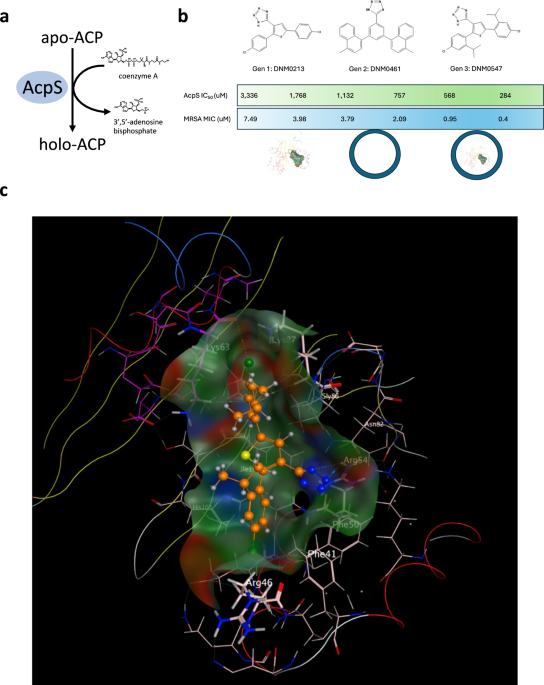

The rise in death due to antimicrobial resistance is the proverbial 'death by a thousand cuts'. The rise has been slow and steady with antimicrobial resistance now contributing to 5 million deaths per year and rising. Deaths from Covid are reported at 7 million total since the outbreak of January 2020, although under-reporting has resulted in a central estimate nearer to 25 million deaths. Over the same time period death via antimicrobial resistance and via Covid are near the same number.
Human nature is weird. It was all hands on deck from all sectors for a rapid Covid outbreak and yet antimicrobial resistance has been met with a collective shrug. Even more weird, a cancer drug that extends the life of a 75 year old for one year can be priced at $100k dollars per year and yet an antibiotic that would save a child from death is expected to be priced at pennies. I get it, cancer is expensive to treat and the additional cost is not a lot compared to the overall treatment cost, while antibiotics have been cheap for forever and a large cost increase would be sticker shock. And yet for some reason saving a child from death is not worth the same price as extending a life by a year - I just don't get the math or the logic. Beyond this, the next pandemic could be bacterial, would not the best pandemic preparedness be to have a panel of proven antibiotics that are new a novel ready to distribute? Again, this idea has also been met with a collective shrug.
Even in areas where new antibiotics have an immediate market as current regimens are highly ineffective, such as diabetic foot ulcer infections which lead to 85% of all amputations worldwide, there is still a reticence to move new antibiotics into the clinic/market. The lifetime risk of diabetic for a foot ulcer is 19% to 34% and this is rising . Morbidity subsequent to a diabetic foot ulcer is high, with a recurrence of 65% at 3–5 years, and shockingly high 5-year mortality rate of 50–70%.
Above are some of the many reasons the World Health Organization has antimicrobial resistance in its top three risks to the future of human health. Let's hope this new research, and that of others, stops the bleeding.

Follow the Topic
-
Nature Communications
An open access, multidisciplinary journal dedicated to publishing high-quality research in all areas of the biological, health, physical, chemical and Earth sciences.

Related Collections
With Collections, you can get published faster and increase your visibility.
Women's Health
Publishing Model: Hybrid
Deadline: Ongoing
Tumor Microenvironment Crosstalk and Therapeutic Implications
Publishing Model: Hybrid
Deadline: Nov 02, 2026