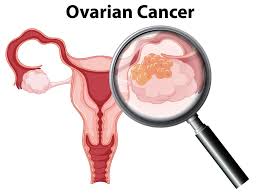
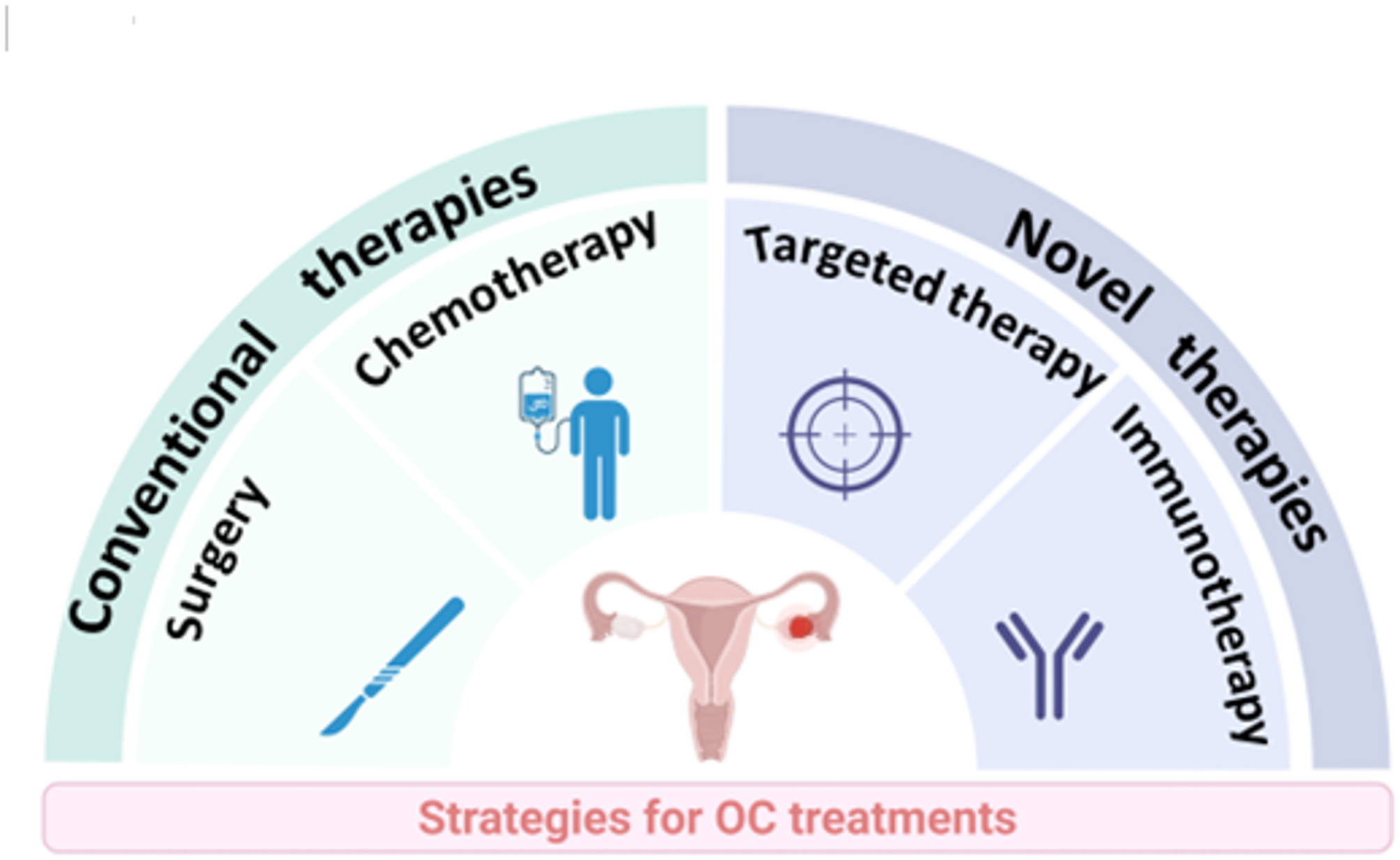

In the bustling labs and clinics of Jilin University and Houston Methodist, a team of dedicated researchers—led by Ling Wang and their collaborators—embarked on a mission to map the rapidly changing battlefield of ovarian cancer treatment. Ovarian cancer, often called the "silent killer" due to its late-stage diagnosis and high mortality rate (claiming over 200,000 lives globally in 2022 alone), has long frustrated clinicians and patients alike. Traditional approaches like surgery and platinum-based chemotherapy offer hope but fall short for many, with most cases detected at advanced stages where survival odds plummet.
The spark for this review ignited from a shared frustration: despite groundbreaking strides in targeted therapies and immunotherapies, the field lacked a comprehensive, up-to-date synthesis to guide oncologists and inspire future research.
"We saw PARP inhibitors like olaparib transforming outcomes for BRCA-mutated patients, antibody-drug conjugates (ADCs) like mirvetuximab soravtansine earning FDA approvals, and emerging immunotherapies such as CAR-T cells and checkpoint inhibitors showing glimmers of promise,"
recalls corresponding author Dr. Junji Xing.
"But resistance mechanisms and the immunosuppressive tumor microenvironment kept pulling us back. We needed to connect the dots."
Over months of late-night literature dives and cross-continental collaborations—spanning China and the U.S.—the team sifted through hundreds of clinical trials, from landmark studies like SOLO-1 and PRIMA to cutting-edge ones exploring HIPEC and novel ADCs. Challenges abounded: reconciling conflicting trial data (e.g., HIPEC's debated role in recurrent disease) and addressing gaps in underrepresented subtypes like clear cell ovarian cancer. Yet, the process revealed exciting narratives, such as how synthetic lethality in PARP inhibitors exploits DNA repair flaws, or how ADCs deliver "smart bombs" to folate receptor-alpha-expressing tumors, minimizing harm to healthy cells.
Published in Biomarker Research on August 12, 2025, this review isn't just a summary—it's a call to action. It highlights how combination therapies, nanotechnology, and 3D organoids could personalize care, potentially boosting progression-free survival and quality of life. For the authors, the real victory lies in empowering the next wave of innovations. As Drs. Qi Wang, Zhiqiang Zhang and Junji Xing note, "Ovarian cancer patients deserve more than incremental gains; this paper is our roadmap to turn emerging therapies into cures." With ongoing trials like GLORIOSA and REJOICE-Ovarian01 on the horizon, the story of ovarian cancer treatment is far from over—it's just getting bolder.

Follow the Topic
-
Biomarker Research
This is an open access, peer-reviewed journal that encompasses all aspects of biomarker investigation.

Related Collections
With Collections, you can get published faster and increase your visibility.
Oncobiome
This collection of papers delves into the burgeoning field of oncobiome research, exploring the intricate relationship between cancer and the microbiome. The oncobiome encompasses the diverse microbial communities residing in and on the human body, which influence cancer development, progression, and treatment responses. By examining these interactions, our aim is to unravel the complex mechanisms through which the microbiome impacts oncogenesis and therapeutic outcomes.
This compilation highlights cutting-edge research, offering insights into potential diagnostic markers and novel therapeutic strategies, thereby advancing our understanding of cancer biology and paving the way for innovative, microbiome-targeted cancer treatments.
This is a cross-journal collection between:
Experimental Hematology and Oncology
Articles will undergo the standard peer-review process of the journal to which they are submitted and are subject to either the BMC editorial policies or those of BJC Reports. Articles will be added to the Collection as they are published. The Editors have no competing interests with the submissions which they handle through the peer review process. The peer review of any submissions for which the Editors have competing interests is handled by another Editorial Board Member who has no competing interests.
Publishing Model: Open Access
Deadline: Ongoing
Next-generation immunotherapies: Efficacy barriers, toxicities, and resistance
This Collection focuses on next‑generation cancer immunotherapies, addressing key challenges that limit their clinical efficacy, including therapeutic resistance, treatment‑related toxicities, and heterogeneous patient responses. It highlights biomarker‑driven and mechanistic research that advances understanding of immune regulation and supports precision immunotherapy.
The scope includes studies on biomarkers of response, resistance, and immune‑related toxicities; molecular and cellular mechanisms underlying primary and acquired resistance; and tumor microenvironment and immune profiling using multi‑omics, spatial, and single‑cell approaches. Emphasis is placed on robust biomarker discovery and validation to accelerate translation into improved immunotherapeutic outcomes.
Publishing Model: Open Access
Deadline: May 31, 2027

