Marine Peptides in Leukemia: Mechanistic Insights and Emerging Horizons in Therapeutic Research
Published in Bioengineering & Biotechnology, Chemistry, and Research Data

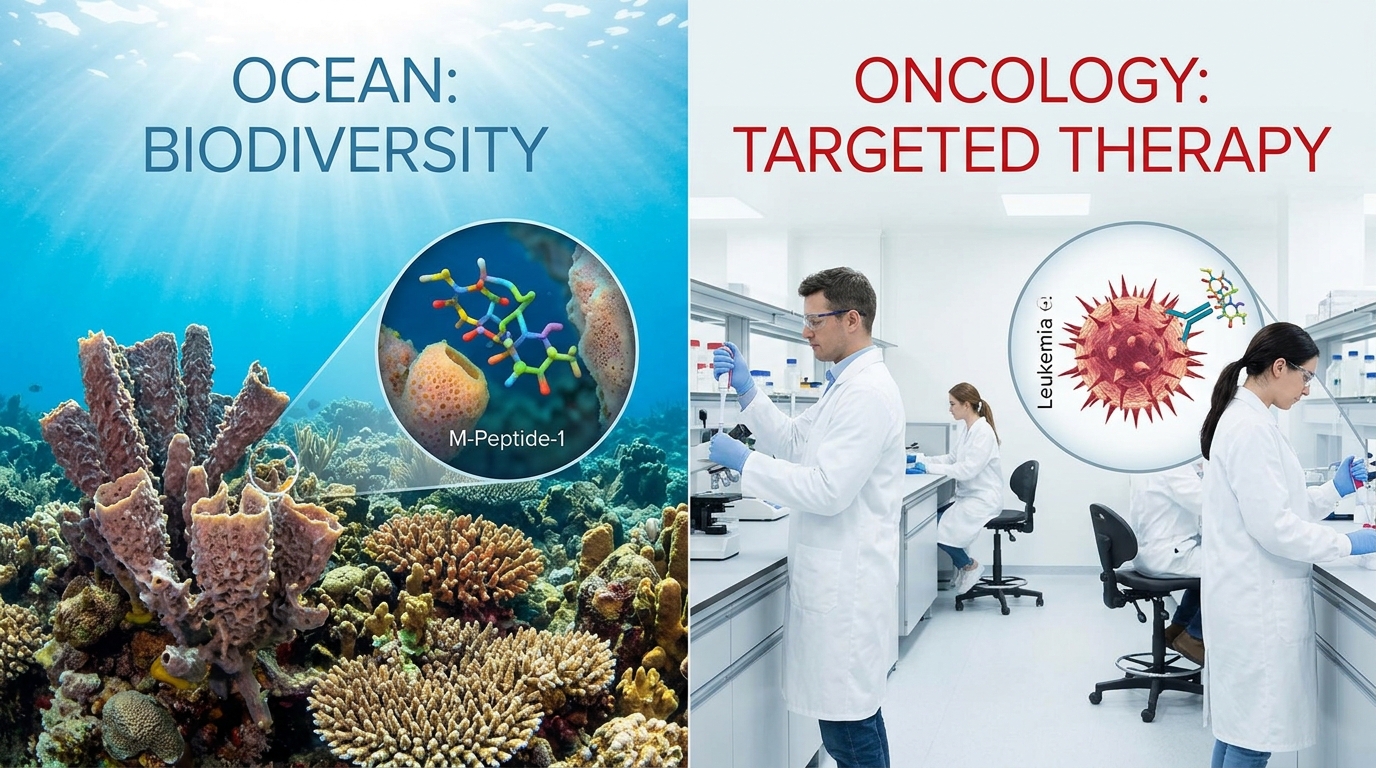

Unveiling the Potential of Marine Peptides in Leukemia: Why the Ocean May Hold the Next Breakthrough
When I first began exploring peptide research, I never imagined that the most promising anticancer candidates might come from the ocean. Yet, the deeper I ventured into this field, the clearer it became that marine organisms represent an extraordinary—and still largely untapped—source of therapeutic innovation. This realization ultimately shaped our review on the potential of marine-derived peptides in leukemia.
Leukemia is a devastating disease that affects the blood and bone marrow, disrupting the body’s ability to produce healthy blood cells. Despite significant advances in chemotherapy and targeted therapies, relapse, drug resistance, and treatment-related toxicity remain major clinical challenges. As a researcher, confronting these limitations repeatedly raises a critical question: are we reaching the limits of conventional drug design?
Why New Approaches to Leukemia Treatment Are Needed
Current leukemia treatments can be highly effective initially, but their intensity often comes at a cost. Many patients experience severe side effects, long-term complications, or relapse due to multidrug resistance. Over time, I found myself increasingly drawn to therapies that work with biological systems rather than overwhelming them.
Natural compounds have long been a source of anticancer drugs, but marine environments offer a unique chemical diversity that terrestrial organisms simply cannot match. Extreme conditions—pressure, salinity, temperature—drive marine life to produce molecules with highly specialized biological functions.
Discovering Marine Peptides: Small Molecules with Big Potential
Peptides are short chains of amino acids, and they play essential roles in cellular communication and defense. What makes marine-derived peptides particularly exciting is their high specificity for cancer cells and relatively low toxicity toward normal cells.
As we reviewed the literature, it became clear that these peptides are not “one-trick” molecules. Instead, they act on multiple cellular pathways that are crucial for leukemia progression and survival.
How Marine Peptides Target Leukemia Cells
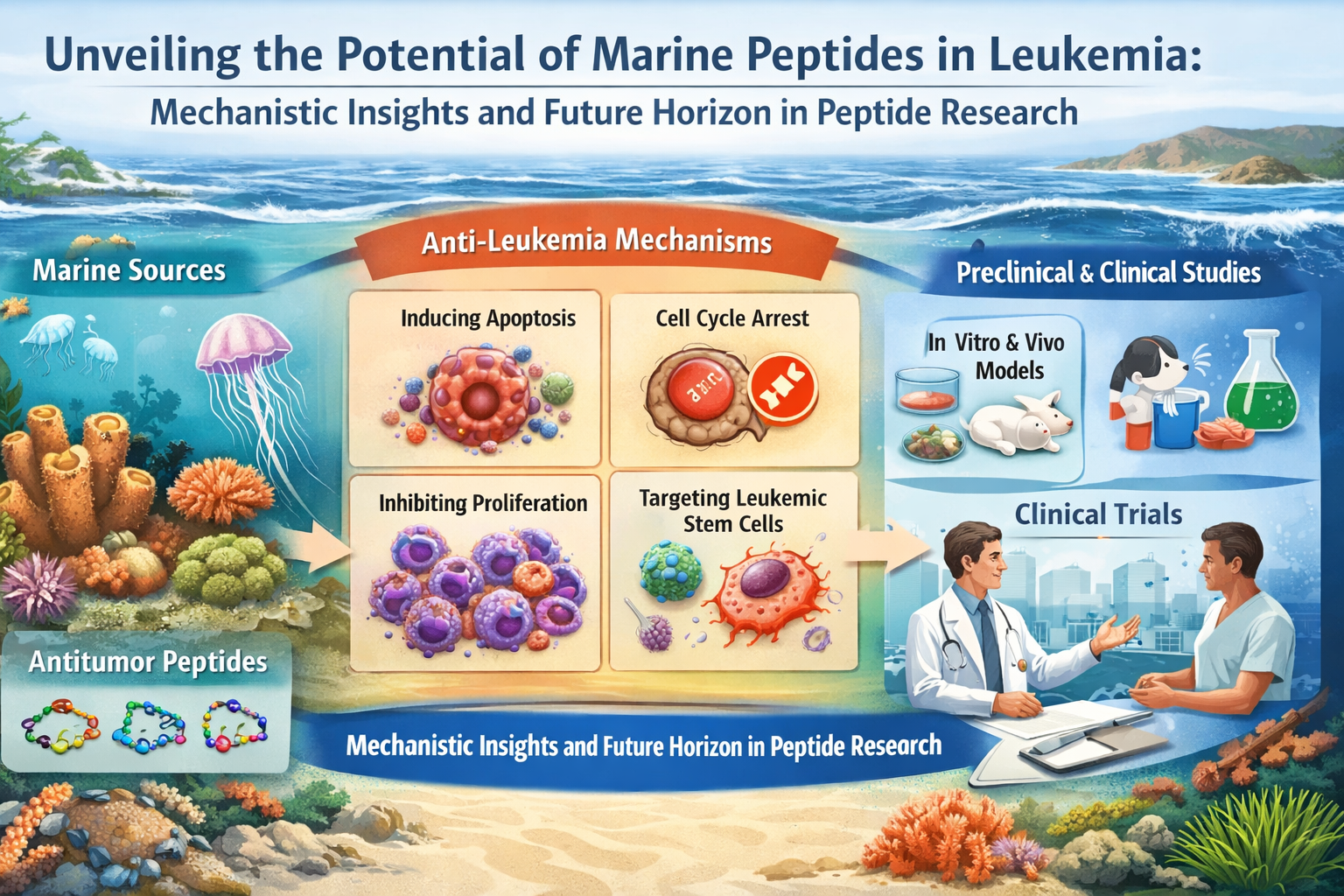
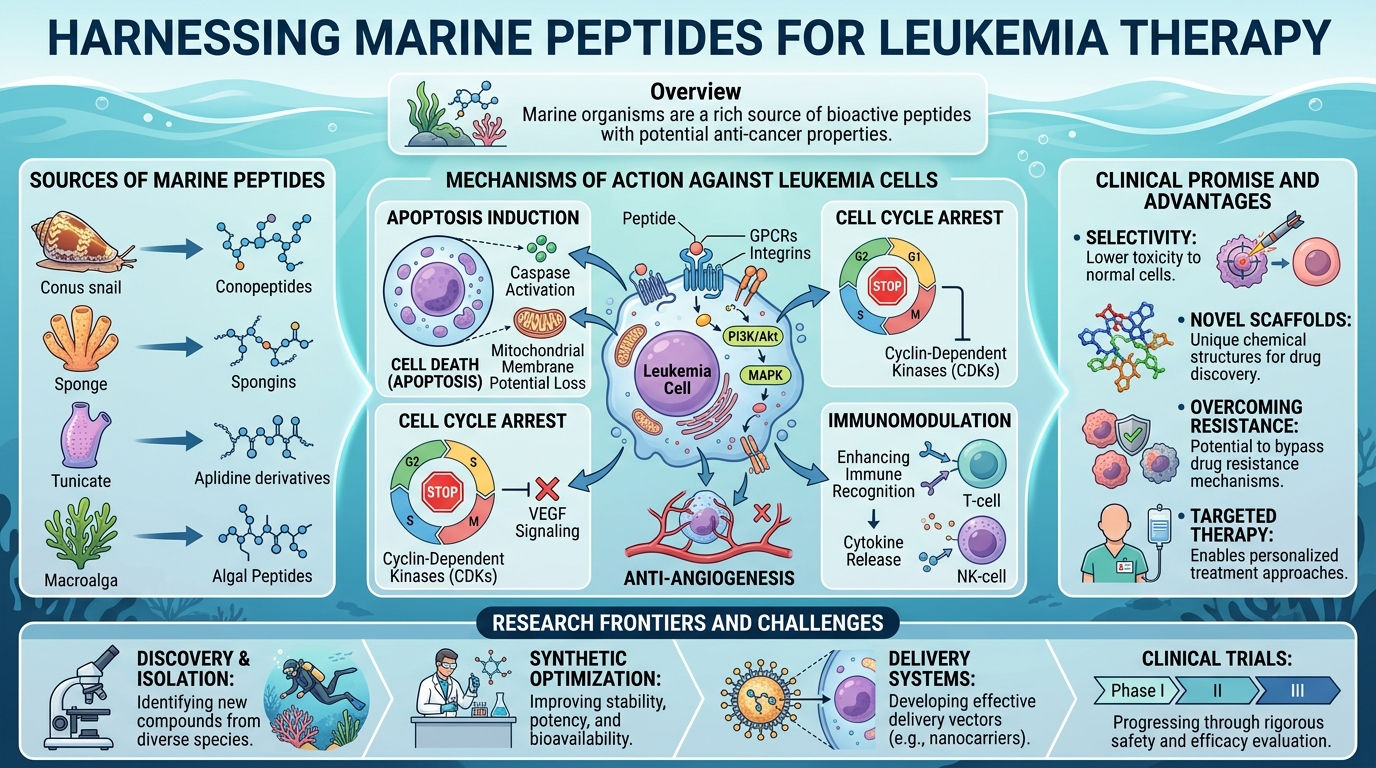
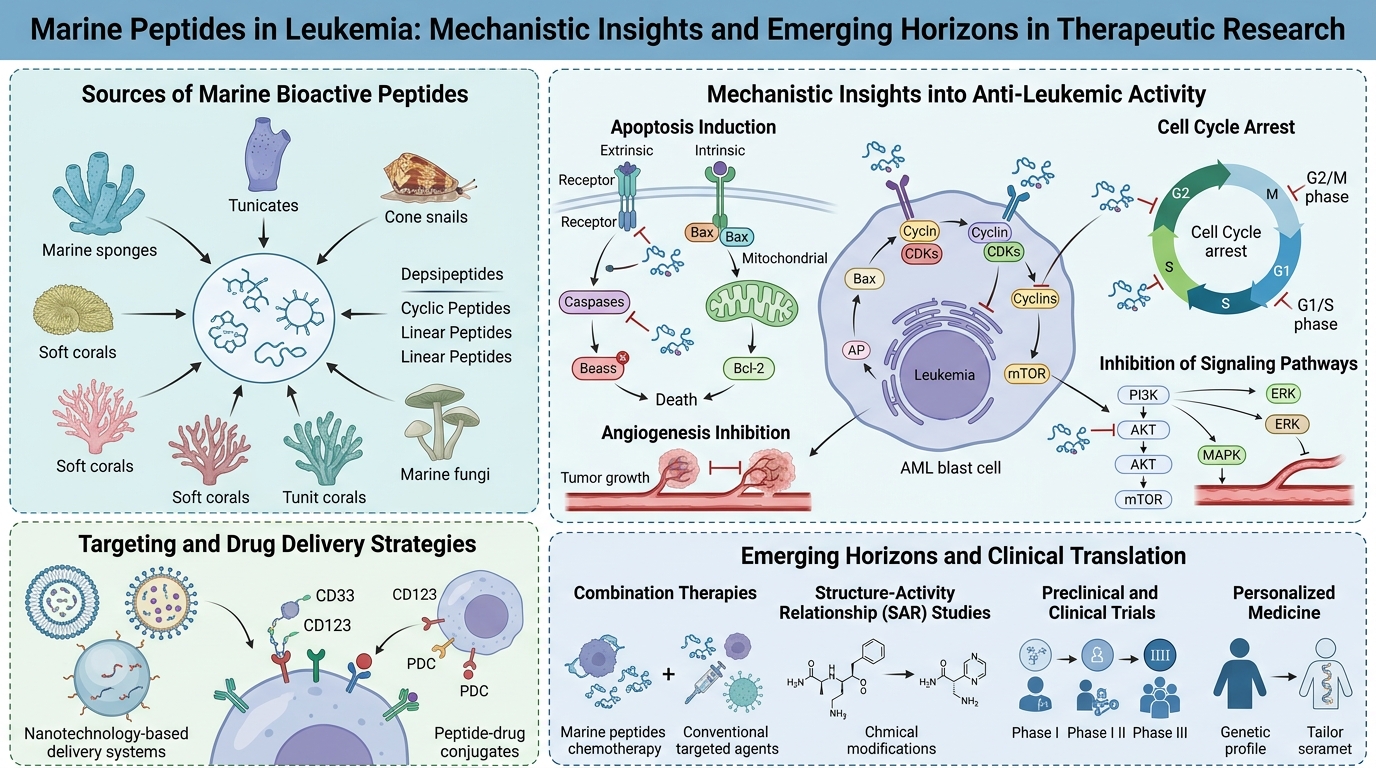
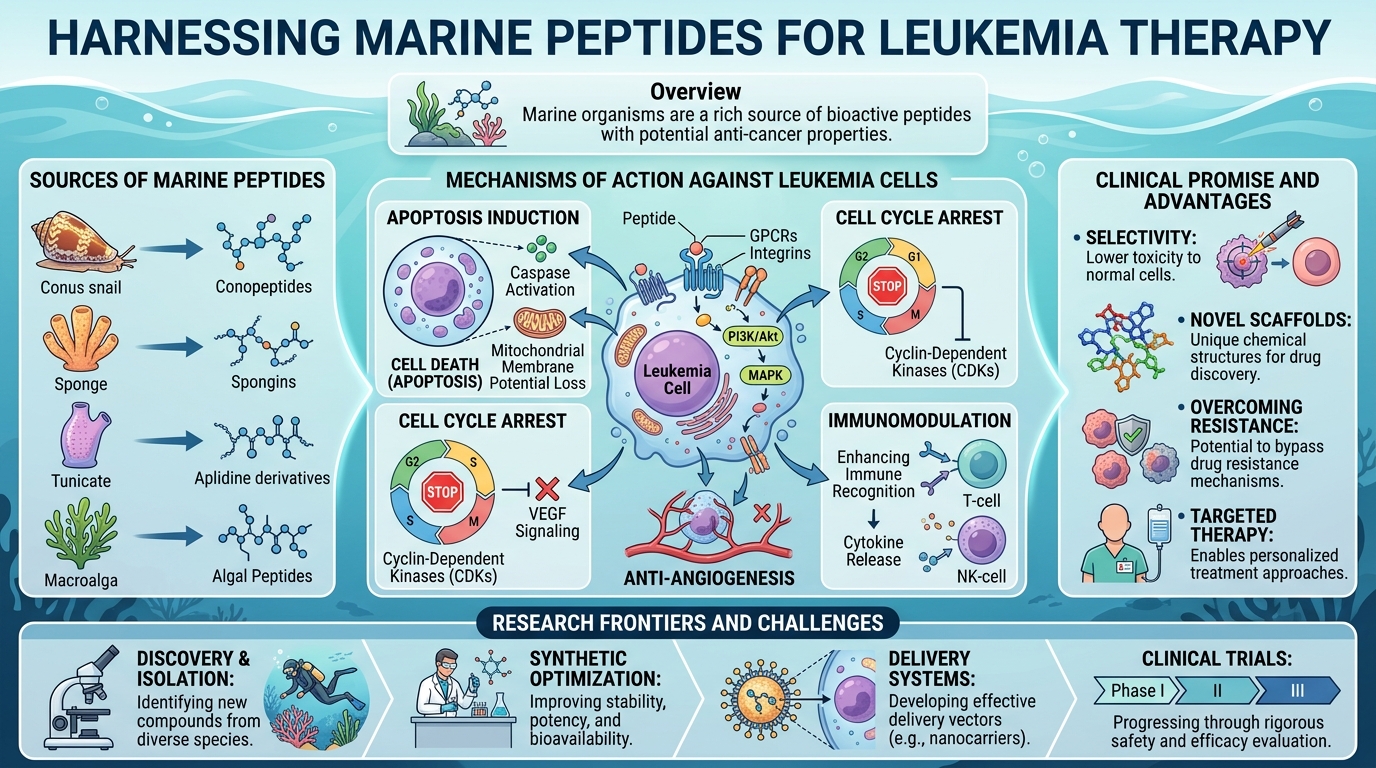
One of the most striking findings from our analysis was the diversity of mechanisms through which marine peptides exert their antileukemic effects. Rather than focusing on a single target, these peptides disrupt cancer cells at multiple levels.
They can:
- Reduce leukemia cell viability
- Trigger programmed cell death (apoptosis)
- Halt the cell cycle, preventing uncontrolled division
- Interfere with microtubules, which are essential for cell division
- Disrupt mitochondrial function, cutting off energy supply
- Increase oxidative stress selectively in cancer cells
From a pharmacological perspective, this multi-target behavior is highly desirable. Cancer cells are notorious for adapting to single-target drugs, but multi-mechanistic agents make resistance far more difficult.
Tackling Drug Resistance: A Critical Advantage
One area where marine peptides truly stand out is their effectiveness against multidrug-resistant leukemia cells. Drug resistance remains one of the biggest obstacles in cancer therapy, and it is often the reason treatments fail.
Several studies reviewed in our work demonstrate that marine peptides remain active even in resistant leukemia cell lines. Even more encouraging is the evidence that these peptides can work synergistically with existing antileukemic drugs, enhancing efficacy while potentially allowing for lower doses of conventional chemotherapy.
For me, this was one of the most compelling arguments for continued investment in peptide-based research.
Beyond Cell Death: Targeting Membranes and Metabolism
Another fascinating aspect of marine peptides is their interaction with cancer cell membranes. Leukemia cells often exhibit altered lipid composition compared to normal cells. Marine peptides can exploit these differences, binding selectively to malignant cells and disrupting membrane integrity.
Additionally, some peptides interfere with metabolic pathways and microtubule dynamics, weakening leukemia cells from the inside. These effects highlight how deeply marine peptides integrate into the cellular machinery of cancer cells.
Challenges on the Road to Clinical Translation
Despite their promise, marine peptides are not without challenges. Stability, large-scale production, delivery, and cost remain significant hurdles. During this review, I was reminded that discovery is only the first step—translation into safe, effective therapies is a much longer journey.
However, advances in peptide synthesis, formulation technologies, and drug delivery systems are rapidly addressing many of these concerns. What once seemed like insurmountable barriers are now becoming engineering problems with realistic solutions.
The Future Horizon of Peptide Research
Looking ahead, I believe marine peptides will play an increasingly important role in oncology research. Future directions include:
- Rational peptide design using computational tools
- Structural optimization to enhance stability and selectivity
- Combination therapies with existing anticancer drugs
- Exploration of immunomodulatory effects
For early-career researchers, this field offers an exciting intersection of biology, chemistry, pharmacology, and marine science.
Final Reflections
Writing this review reinforced a lesson I’ve learned repeatedly throughout my research journey: some of the most powerful medical solutions come from the most unexpected places. The ocean, covering more than 70% of our planet, remains one of the least explored sources of therapeutic compounds.
Marine peptides represent more than just new drug candidates—they embody a shift toward smarter, more selective cancer therapies. While much work remains before these molecules reach the clinic, the evidence strongly suggests that they could reshape how we approach leukemia treatment in the future.
I hope this perspective encourages fellow researchers and clinicians to look beyond traditional boundaries and consider the vast therapeutic potential hidden beneath the ocean’s surface.