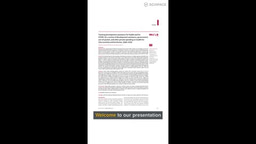
Cancer remains one of the leading causes of illness and death worldwide, with the Global Burden of Diseases, Injuries, and Risk Factors Study 2019 (GBD 2019) providing the most comprehensive assessment of its impact across 204 countries and territories. The study estimated global cancer incidence, mortality, years lived with disability (YLDs), years of life lost (YLLs), and disability-adjusted life years (DALYs), while examining trends from 2010 to 2019 and variations according to the Sociodemographic Index (SDI). These data offer valuable insights for guiding cancer prevention, treatment, and health policy at both national and international levels.
In 2019, an estimated 23.6 million new cancer cases and 10 million cancer-related deaths occurred globally, resulting in approximately 250 million DALYs. Compared with 2010, new cancer cases increased by 26.3%, deaths by 20.9%, and DALYs by 16.0%, reflecting the growing global burden of malignancy. Cancer ranked second only to cardiovascular disease as a cause of deaths, years of life lost, and DALYs worldwide. Although high-SDI countries recorded the greatest number of new cancer cases, middle-SDI countries experienced the highest numbers of cancer deaths and DALYs, while the most rapid increases in cases and deaths occurred in low- and low-middle-SDI regions.
These findings emphasize substantial global disparities in cancer burden and outcomes. Higher-SDI countries had a greater proportion of disability-related burden due to improved survival, whereas lower-SDI regions faced increasing mortality and overall disease burden, likely reflecting limited access to prevention, early detection, and effective treatment. The study underscores the urgent need for equitable cancer control strategies, including strengthened screening programs, improved access to high-quality oncology care, and targeted public health interventions to address the rising global burden of cancer.

Dr. Mohamed Mesregah MD is an experienced orthopedic surgeon with a strong background in both clinical practice and orthopedic research. He specializes in the diagnosis and management of musculoskeletal conditions, with a commitment to delivering high-quality, patient-centered care.
With years of hands-on experience, Dr. Mohamed Kamal Mesregah has developed a deep understanding of modern orthopedic techniques and evidence-based treatment approaches. His research involvement reflects his dedication to advancing medical knowledge and improving patient outcomes.