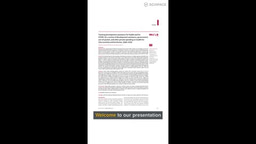
Global, regional, and national sex differences in burden of tuberculosis
Published in Microbiology and General & Internal Medicine
Tuberculosis (TB) remains a major global health challenge, causing substantial morbidity and mortality despite decades of control efforts. Using data from the Global Burden of Disease (GBD) 2019 Study, this analysis evaluated global, regional, and national sex differences in TB incidence and mortality among both HIV-negative and HIV-positive populations across 204 countries and territories between 1990 and 2019. The study integrated multiple data sources, including vital registration systems, verbal autopsy data, prevalence surveys, and case notifications, to generate comprehensive estimates of TB burden and to assess the contribution of modifiable risk factors.
The findings demonstrated marked sex disparities in TB burden. Among HIV-negative individuals in 2019, males experienced substantially higher TB incidence and mortality than females, accounting for approximately 342,000 additional deaths and more than one million additional incident cases worldwide. In contrast, among individuals with HIV-associated TB, females experienced slightly higher mortality and incidence than males. Behavioral and metabolic risk factors, including smoking, alcohol use, and diabetes, contributed disproportionately to TB mortality among HIV-negative males, whereas unsafe sex was the leading contributor to HIV-associated TB mortality among females and injection drug use had a greater impact among males.
The authors concluded that sex-specific strategies are essential for achieving global TB control targets. Interventions should prioritize improving early TB diagnosis, treatment access, and risk-factor reduction among men, who bear the greatest burden of HIV-negative TB, while simultaneously strengthening HIV prevention and care for women in high HIV-burden settings to reduce HIV-associated TB. Tailoring national TB programs to address these distinct epidemiological patterns could improve health equity and accelerate progress toward reducing the global burden of tuberculosis.

Dr. Mohamed Mesregah MD is an experienced orthopedic surgeon with a strong background in both clinical practice and orthopedic research. He specializes in the diagnosis and management of musculoskeletal conditions, with a commitment to delivering high-quality, patient-centered care.
With years of hands-on experience, Dr. Mohamed Kamal Mesregah has developed a deep understanding of modern orthopedic techniques and evidence-based treatment approaches. His research involvement reflects his dedication to advancing medical knowledge and improving patient outcomes.