JMCR: Clinical Minute
Published in Neuroscience and Biomedical Research


Explore the Research
Challenges in the diagnosis and management of coexisting drop-head syndrome and dysphagia: a case report and review of the literature
Main Article Highlights
-
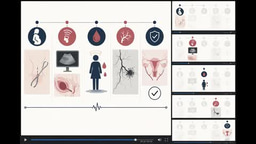
Radiation-induced dropped head syndrome (DHS) and dysphagia may emerge decades after treatment. This case describes progressive symptoms developing 17 years after radiotherapy for Hodgkin lymphoma, emphasizing the need for lifelong vigilance in cancer survivors.
-
First comprehensive description of coexisting DHS and dysphagia after radiotherapy. The report proposes that swallowing impairment results from the combined effects of radiation-induced neuromuscular injury and mechanical alterations in cervical posture.
-
Multidisciplinary assessment is essential. Diagnosis required integration of neurological examination, electromyography, cervical MRI, videofluoroscopic swallowing study (VFSS), laryngoscopy, and speech-language pathology evaluation.
-
Head position directly influenced swallowing efficiency. VFSS demonstrated substantial pharyngeal residue without aspiration, with improved bolus clearance when the patient's head was manually supported in a more physiological position.
-
Radiation-induced dysphagia is not solely a swallowing muscle disorder. Cervical muscle atrophy, postural deformity, and degenerative cervical spine changes may significantly contribute to impaired swallowing mechanics.
-
Rehabilitation improved patient-reported outcomes. A structured program of physiotherapy, swallowing therapy, dietary modification, compensatory strategies, and cervical stabilization improved swallowing-related quality of life despite minimal objective electrophysiologic change.
-
Swallowing assessment should become routine in long-term follow-up. The authors recommend incorporating dysphagia screening and formal swallowing evaluation into survivorship care for patients treated with head and neck radiotherapy, particularly those who develop neck extensor weakness or postural abnormalities.
-
Clinical message: New-onset dysphagia in long-term cancer survivors should prompt evaluation for delayed radiation-induced neuromuscular complications, even decades after successful cancer treatment.
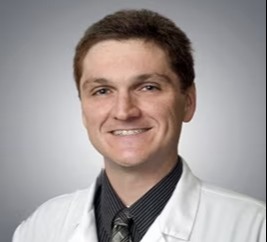
Richard Alan Rison is the interim Editor-in-Chief of Journal of Medical Case reports. He is also an associate neurology editor (editorial board) for BMC Neurology, and the former lead editor for case reports of BMC Research Notes (currently on the editorial board). His scholarly work focuses on medical case reporting, reporting standards, and editorial methodology. Dr. Rison participated in the development and dissemination of the CARE guidelines for clinical case reporting and has authored numerous publications addressing both neurological disorders and the role of case reports in advancing medical knowledge. Dr. Rison practices general neurology and served as the founding medical director of the PIH Health Hospital-Whittier Stroke Program and the PIH Health Hospital-Whittier Non-Invasive Vascular Laboratory, is a clinical assistant professor of neurology at the University of Southern California Keck School of Medicine and Los Angeles County Medical Center, and is a Fellow of the American Academy of Neurology, the American Neurological Association, and the American Association of Neuromuscular and Electrodiagnostic Medicine. Dr Rison is board-certified by the American Board of Psychiatry and Neurology in neurology and vascular neurology, and neurocritical care and neuroimaging by the United Council of Neurologic Subspecialties. He is also board-certified by the American Board of Electrodiagnostic Medicine in electrodiagnostic medicine. Dr. Rison is a former president of the Los Angeles Neurological Society.
Follow the Topic
-
Journal of Medical Case Reports
This journal will consider any original case report that expands the field of general medical knowledge, and original research relating to case reports.