A rodent virus goes to sea: what we can learn about hantaviruses from the MV Hondius outbreak
Published in Microbiology
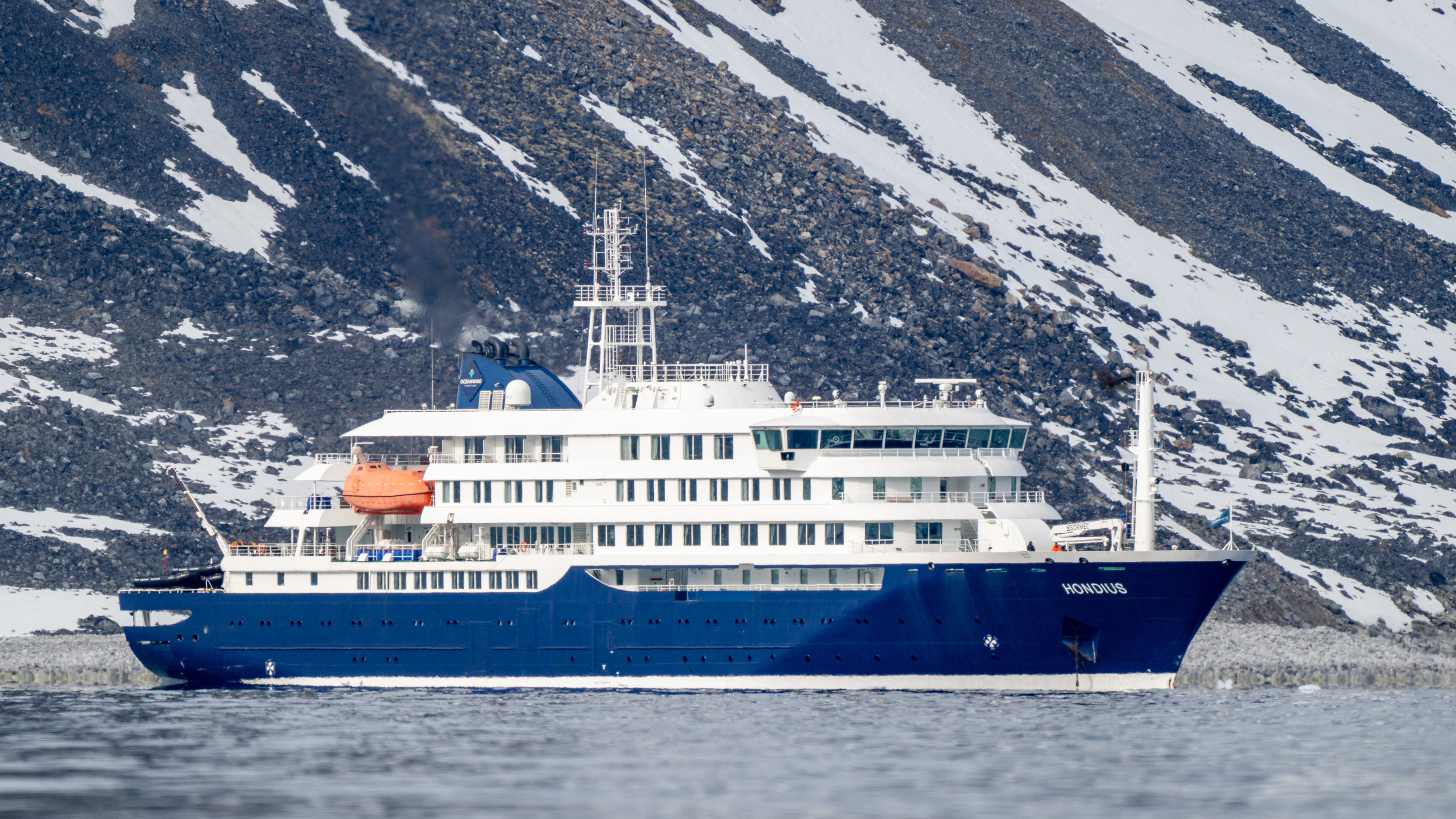
On the 6th of April 2026, a passenger aboard the Dutch-flagged expedition vessel MV Hondius developed a fever, headache, abdominal pain and diarrhoea, and five days later they died at sea. The ship had left Ushuaia, the capital of Argentina’s southern-most province Tierra del Fuego, where it was bound for the South Atlantic islands and eventually the Canaries.
By the time the World Health Organization received formal notification from the United Kingdom's IHR focal point on the 2nd of May, a cluster of severe acute respiratory illness had taken hold among the 147 people on board. At this point, the cause of symptoms was unknown. It was only later, on the 6th of May, that infections were identified as the Andes hantavirus (ANHV), a South American hantavirus, and the only member of its genus with a documented capacity for human-to-human transmission.
Published in the WHO's last Disease Outbreak News on the event on 2nd July, the final numbers amount to 13 ANHV cases, including three deaths. Although initially limited, contact tracing of infected passengers who departed the ship started promptly, and eventually spread across 33 countries and overseas territories, encompassing passengers, crew, two international flights, healthcare workers, and airport staff.
Around 300 high-risk people were contacted and completed supervised quarantine, with an additional 330 low-risk contacts completing self-monitoring. All finished the 42-day follow-up window without a single secondary case being detected off the ship, and the outbreak was declared contained.
On the surface, this is a public health success story, and it deserves to be read as one, but it is also a rather instructive piece of epidemiology.
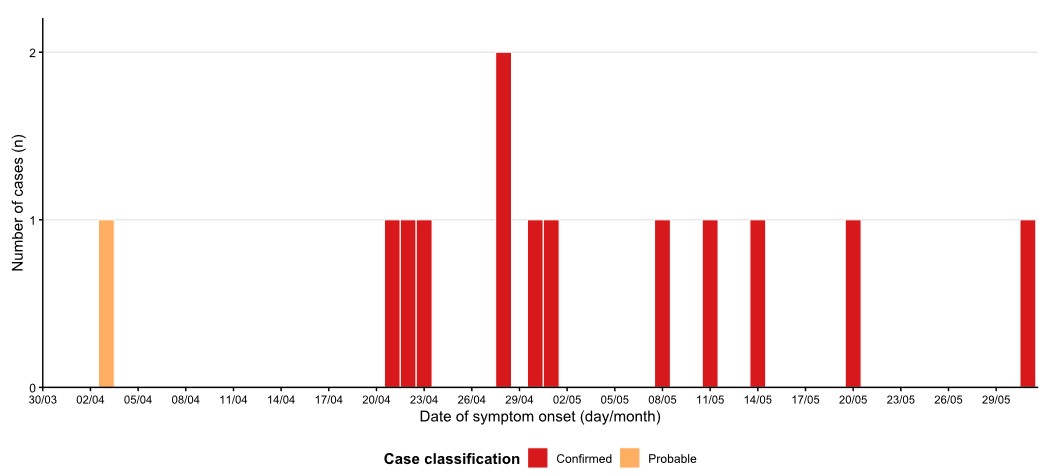
ANHV case tracking as of the 2nd of July. Source: World Health Organization (2 July 2026). Disease Outbreak News. Hantavirus outbreak linked to cruise ship travel, Multi-locations. Available at: https://www.who.int/emergencies/disease-outbreak-news/
The virus, and its rodents
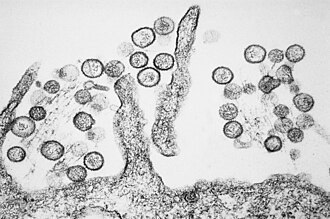
Hantaviruses belong to the family Hantaviridae (previously Bunyaviridae) of enveloped, negative-sense RNA viruses. What sets them apart from their relatives is their ecology. Hantaviruses require no arthropod vector, but instead maintain persistent, apparently harmless infections in specific rodent reservoirs.
Hantavirus phylogeny is closely aligned to their host rodent phylogeny, suggesting tens of millions of years of co-evolution with occasional host switching. That co-speciation maps neatly onto human disease, where viruses borne by Old World rodents (Hantaan, Seoul, Dobrava) cause haemorrhagic fever with renal syndrome (HFRS). New World Sigmodontinae and Neotominae viruses, including Sin Nombre and Andes, on the other hand, cause hantavirus pulmonary or cardiopulmonary syndrome (HPS/HCPS).
Clinically, both syndromes present with non-specific symptoms for three to five days, including fever, myalgia, headache, chills, and gastrointestinal upset. Then, in HPS, the pulmonary phase arrives abruptly with a cough, breathlessness, fluid on the lungs, and cardiogenic shock. Untreated, and in the absence of ‘life support’ (i.e. ECMO), symptoms can become fatal within 24-48 hours.
Transmission, and the Andes exception
Human infections almost certainly originate from a spillover event from their usual rodent hosts, where infection occurs through inhalation of aerosolised rodent urine, faeces or saliva, or sleeping somewhere rodents have been. Andes virus is the exception, however, with person-to-person transmission documented in Argentina since 1996.
A 2018-19 outbreak in Argentina, where a single zoonotic introduction produced four generations of human infection, despite limited evidence of genetic adaptation for human infection. Preliminary genomic analyses from the 2026 outbreak indicated that sequences from cases aboard the ship were near-identical to one another, supporting a single introduction event and circulation onboard Hondius. Additionally, these sequences were also around 97% similar to Andes viruses already circulating in South American rodents and patients, with no further mutations suggestive of enhanced transmissibility. Notably, however, they did not fall within the lineage associated with the Epuyén person-to-person chains.
WHO's assessment concluded that a point-source introduction acquired on land before embarkation, followed by limited onward transmission in a confined setting, likely led to the Hondius outbreak.
The wider picture
Globally, hantaviruses cause somewhere between 10,000 to over 100,000 human infections annually, the majority being HFRS in East Asia and Europe. Conversely, HPS is far rarer and deadlier. The United States had recorded 728 cases of HPS in 22 years (up until January 2017), with case fatality rates of 20–60%.
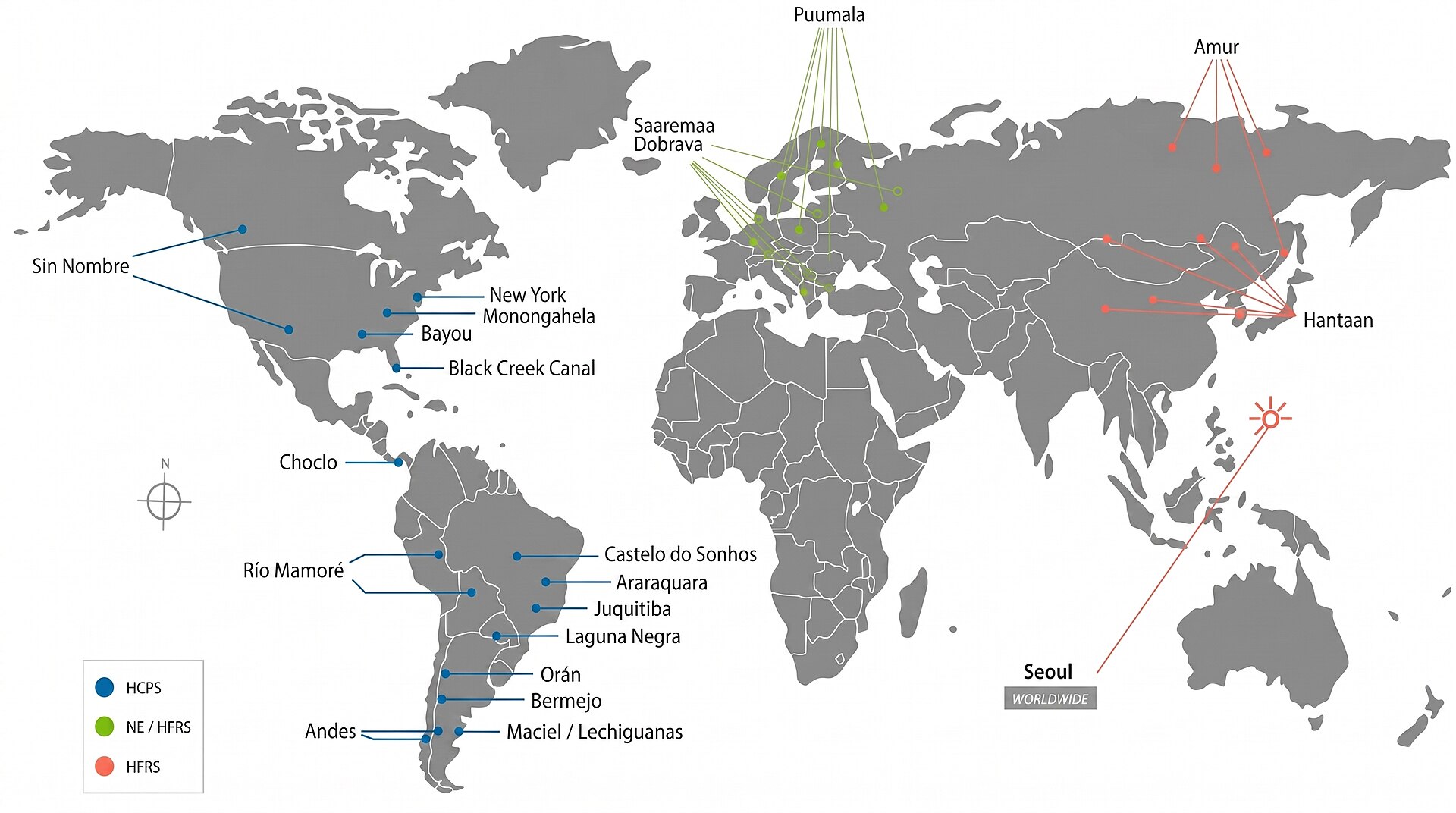
Global distribution of hantaviruses, coloured by the disease they cause. HCPS = hantavirus [cardio]pulmonary syndrome; HFRS = haemorrhagic fever with renal syndrome; NE = nephropathia epidemica. Source: Nahleghini, Wikimedia commons, CC BY-SA 4.0.
The concern comes from that fact there is currently no licenced antiviral or vaccine against Andes virus, and although promising treatments are in development, everything remains preclinical or in early trials.
Moreover, nothing about this virus changed to facilitate this outbreak, but rather it was the context that created the opportunity; a cohort with a median age of 65, drawn from a port in an endemic country, sealed into weeks of shared indoor air and recirculated ventilation, with early symptoms indistinguishable from norovirus or influenza, and no reason for anyone aboard to suspect a rodent virus from Patagonia.
An excellent summary of events, including those affected, can be found here.

Dr. Daniel Parsons is a bioinformatician and post-doctoral researcher at the Natural History Museum, London.
His research has largely focused on improving understanding of parasitic flatworm biology and genetic variability, notably schistosomes (causative agents of schistosomiasis), through the application of molecular techniques and genomics approaches. More broadly, Dan is interested in the applications of biotechnology for Neglected Tropical Disease research and how biodiversity and global health are interlinked.
Follow the Topic
-
BugBitten
A blog for the parasitology and vector biology community.