Anthropogenic Anoxic Black Bands in Tuvalu Coral
Published in Ecology & Evolution
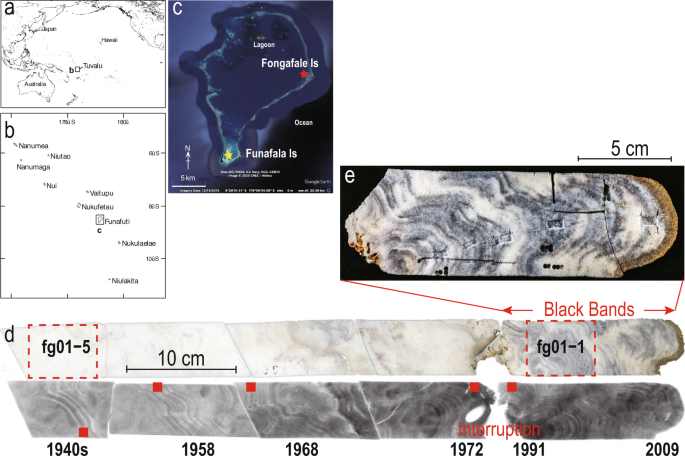

Tuvalu atoll, located in the tropical South Pacific, is a symbolic atoll country that is being submerged due to Sea Level Rise. On the other hand, the local human waste and sewage are serious and affect the coral reef ecosystem. We found the annual black bands in a coral boring core (Porites lutea) from Fongafale Island, the capital of Tuvalu. Coral records anthropogenic domestic waste-induced eutrophication since 1990s, which has promoted the seasonal anoxic (strong reduced) condition and formed iron sulfide- black bands like ocean sediment inside coral skeleton! This massive Porites coral was a rare survivor and appealed strongly the environmental deterioration. In this coral annual band study we applied firstly the complex isotopic- trace element- organics- DNA segments- multi analyses. Especially iron redox indicator and DNA segments inside coral annual bands have the potential to reconstruct the anthropogenic ecosystem deterioration!
https://www.nature.com/article...
In January of this year we visited Tuvalu, Fongafale Island and watched the ecosystem shift from coral reefs to macroalgae (Sargassum polycystum). The new government plan of dredging and reclamation in the lagoon to protect the coast progress. Ecosystem restoration should also be considered for the island resilience against sea level rise.
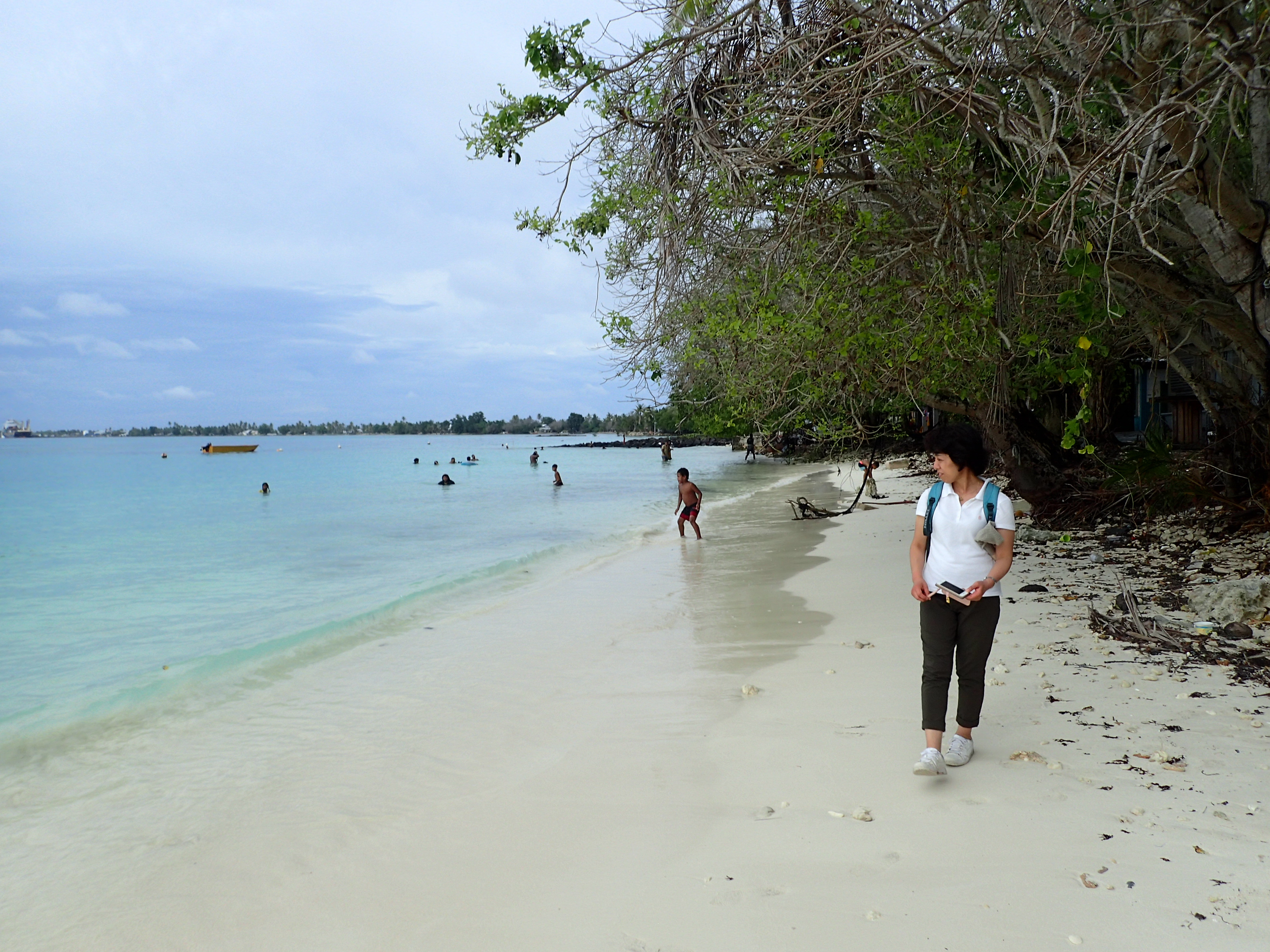
Fongafale coast
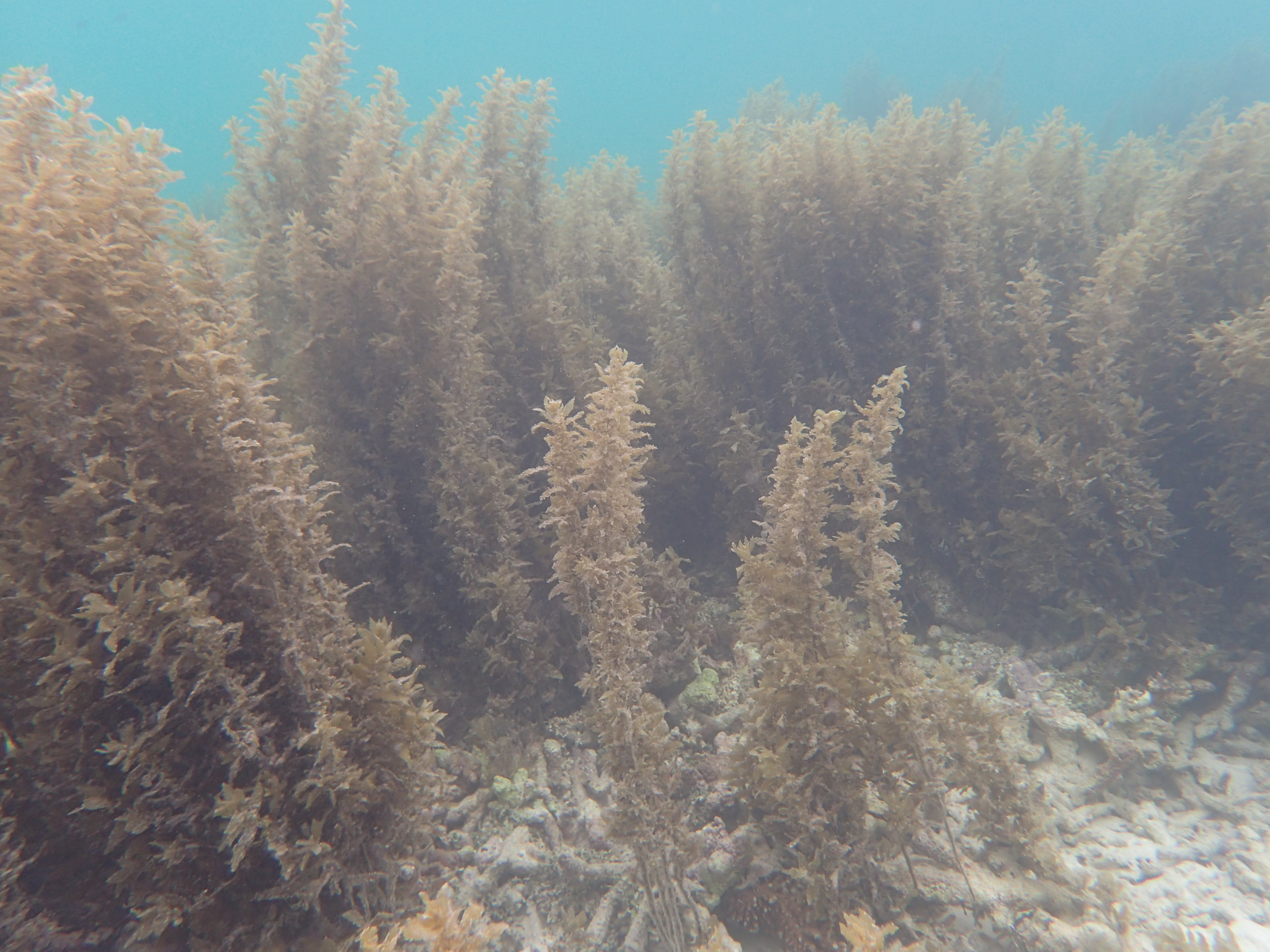
Macroalgae kelp photo by A.Watanabe
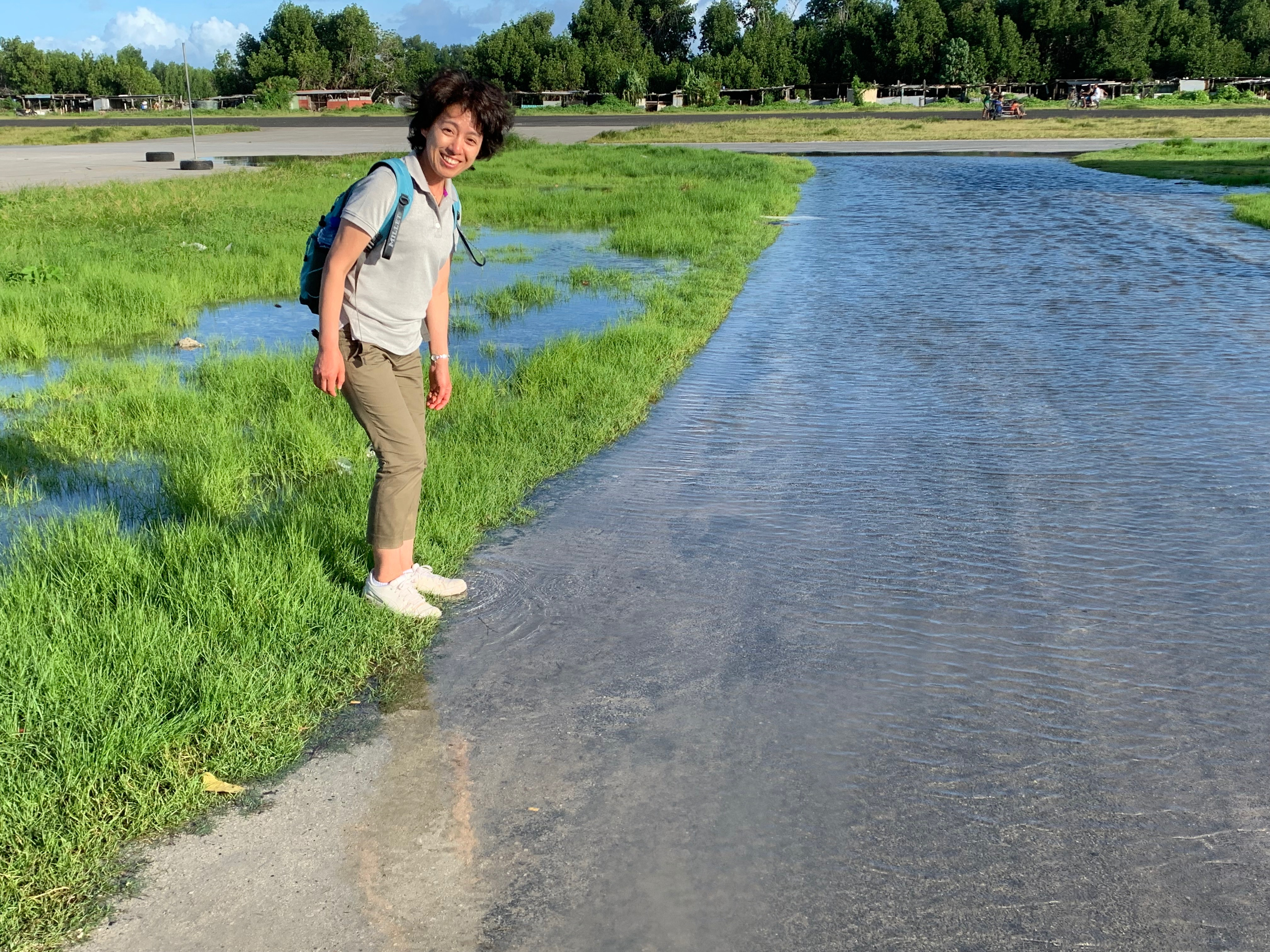
King Tide around runway

Follow the Topic
-
Scientific Reports
An open access journal publishing original research from across all areas of the natural sciences, psychology, medicine and engineering.

Related Collections
With Collections, you can get published faster and increase your visibility.
Cancer Prevention and Control
Publishing Model: Hybrid
Deadline: Feb 19, 2027
Healthy Aging
Publishing Model: Open Access
Deadline: Dec 31, 2026