Behind the Paper: From a Research Question to a Healthcare Startup Vision
Published in Healthcare & Nursing and Public Health

When we first started working on “A Systematic Review of Emerging Trends of IoT in Healthcare and IoMT Frameworks”, our motivation was not just academic curiosity. It came from a much more grounded question: why do so many promising healthcare technologies never reach real patients in a meaningful way?
As students and early-stage researchers working at the intersection of information technology and healthcare, we repeatedly encountered impressive prototypes smart wearables, remote monitoring systems, AI-driven diagnostics that looked promising on paper but struggled in real-world adoption. This gap between what is possible and what is practical became the starting point of our research.
Why IoT and Healthcare?
Healthcare systems worldwide are under increasing pressure from rising chronic illnesses to shortages of medical professionals and limited accessibility in remote regions. The Internet of Things (IoT), and more specifically the Internet of Medical Things (IoMT), has often been proposed as a solution: connected sensors, smart devices, real-time data collection, and automation to support clinicians and patients alike.
However, as we explored existing literature, we noticed fragmentation. Research was advancing rapidly, but often in silos focused either on devices, data analytics, security, or applications without a holistic understanding of how these components interact within real healthcare ecosystems.
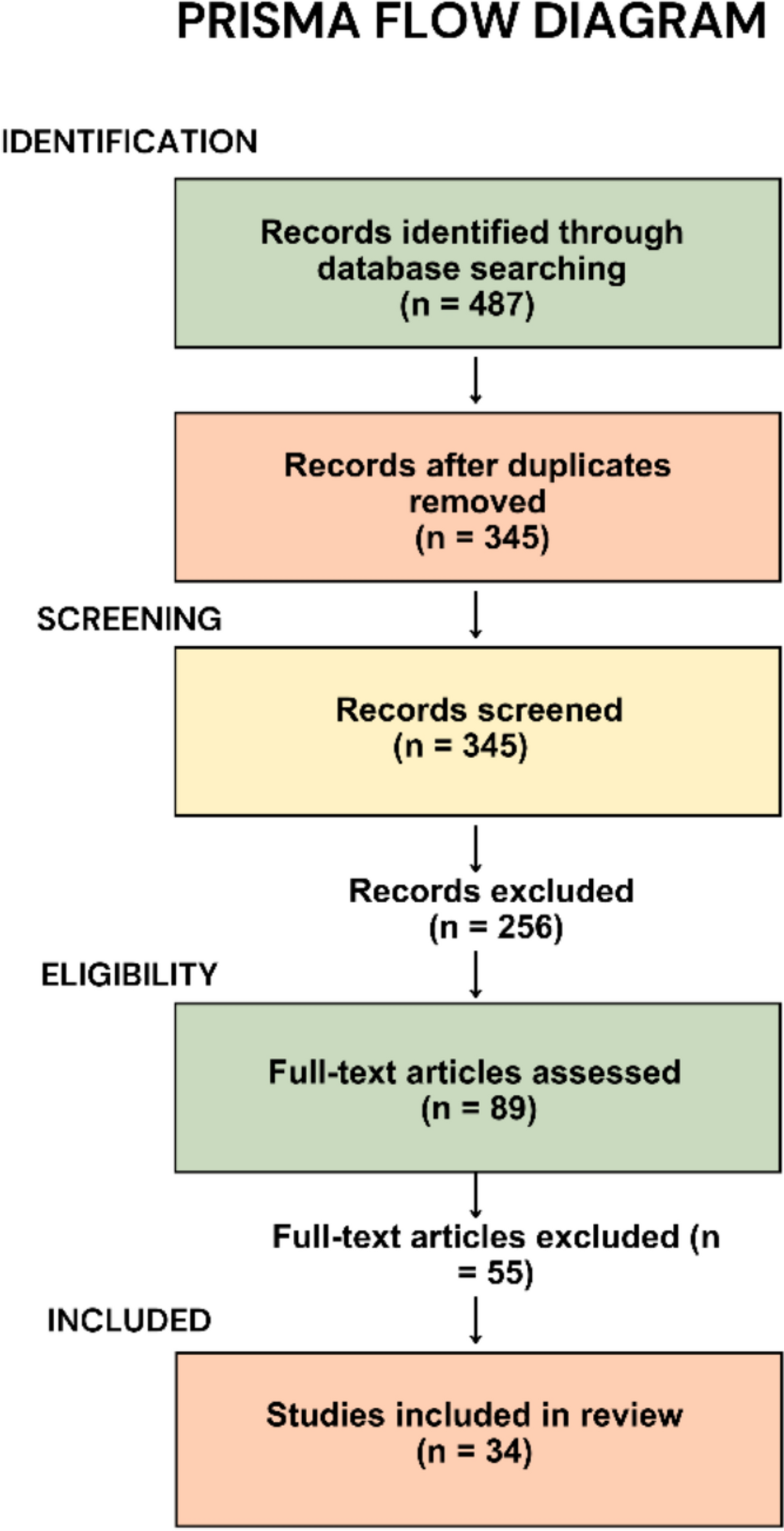
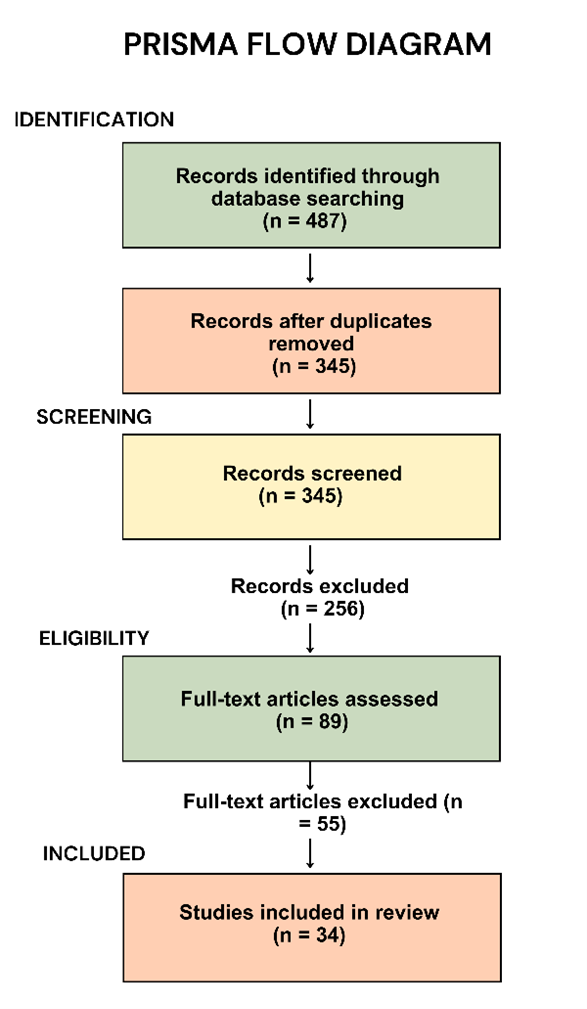
This realization led us to undertake a systematic review spanning research from 2011 to 2024, following PRISMA guidelines, to synthesize trends, identify gaps, and understand where IoMT truly stands today.
What We Found: Progress, but Also Gaps
One of the most striking findings of our review was that nearly 80% of existing IoMT research remains theoretical or conceptual, with very limited clinical validation or large-scale deployment. While innovation is thriving, practical translation lags behind.
We identified three persistent barriers across studies:
- Security and privacy concerns, especially due to sensitive medical data and heterogeneous devices
- Interoperability issues, where devices from different vendors fail to communicate seamlessly
- High implementation costs, making solutions inaccessible in low-resource settings
At the same time, we observed encouraging trends particularly the growing integration of AI and machine learning, the rise of wearable health devices, and increasing interest in remote monitoring and home-based rehabilitation.
These insights shaped not only our conclusions as researchers, but also our thinking as technologists and innovators.
When Research Meets Reality
Parallel to this research, we were working on a startup-oriented project that focused on technology-assisted rehabilitation and writing assistance, especially in neuro-muscular recovery contexts. This practical exposure changed how we read academic papers.
For example, while reviewing IoT-based rehabilitation systems, we noticed that many solutions lacked real-time personalized feedback, relied heavily on constant internet connectivity, or were too expensive to scale. Similarly, AI-based healthcare tools often suffered from limited datasets and poor adaptability to individual users.
These weren’t just theoretical limitations we encountered them firsthand while attempting to design systems that could work reliably outside controlled environments.
Our research paper, therefore, became a reflection exercise: a way to critically evaluate what exists, understand why adoption is slow, and identify what future systems must prioritize if they are to move from labs to lives.
Research as a Foundation for Innovation
This paper does not propose a single new device or framework. Instead, it provides a structured understanding of the IoMT landscape, highlighting where innovation is needed most standardized architectures, ethical data governance, affordability, and user-centric design.
For us, this systematic review became the conceptual backbone of our startup vision. It reinforced the importance of building healthcare technology that is:
- modular and interoperable
- secure by design, not as an afterthought
- accessible to patients beyond urban or high-income settings
- supportive of clinicians rather than burdensome
In many ways, the research validated what we were intuitively learning through development and experimentation.
Lessons as Early-Career Researchers
Writing this review as students and early-career researchers taught us that impactful research does not exist in isolation. Literature reviews are often seen as purely academic exercises, but in our case, they became a bridge between research, product thinking, and social responsibility.
It also highlighted the importance of interdisciplinary collaboration healthcare innovation cannot succeed without contributions from technologists, clinicians, policymakers, and ethicists working together.
Looking Ahead
IoMT is no longer a futuristic concept it is already shaping modern healthcare. Yet, as our review suggests, we are only at the surface of what is possible. Much like an iceberg, visible innovations represent only a small portion of the potential beneath.
Our hope is that this work encourages researchers and innovators to focus not just on what can be built, but on what can be adopted, trusted, and sustained. For us, this paper marks both a milestone in our academic journey and a foundation for future real-world solutions.

Follow the Topic
-
Discover Public Health
This is an open access journal publishing research from all fields relevant to public health.

Related Collections
With Collections, you can get published faster and increase your visibility.
The Economics of Longevity: Health Expenditure and Societal Implications for Public Health Systems
The relationship between health investment and life expectancy has long been a focal point in public health research and policy. As nations grapple with rising healthcare costs and varying health outcomes, understanding how financial allocations influence population health becomes increasingly critical. Numerous studies have illustrated that increased spending on health services often correlates with improvements in life expectancy; however, the complexities of this relationship are not fully understood. Factors such as socioeconomic status, healthcare accessibility, and the efficiency of health systems play significant roles in determining how investments translate into health outcomes.
At the national level, health investments primarily encompass government expenditure on healthcare systems, public health initiatives, and health infrastructure. Nations that allocate substantial resources toward healthcare often experience better health outcomes and increased life expectancy among their populations. For instance, countries with robust healthcare funding tend to provide more comprehensive services, including preventive care, chronic disease management, and health promotion programs, all of which contribute to enhanced population health. However, it is crucial to consider how these investments are distributed across different segments of the population. Inequities in health spending can exacerbate existing disparities, leading to significant differences in life expectancy among various demographic groups. Effective health investment strategies must address these disparities to ensure that improvements in life expectancy are equitable and inclusive.
The motivation for this Collection arises from the urgent need to bridge the gap between health expenditures and tangible improvements in life expectancy. Recent global health crises and ongoing disparities in health outcomes across different populations have underscored the necessity for a deeper exploration of how resource allocation affects health dynamics. This Collection seeks to provide a platform for researchers and practitioners to discuss empirical evidence, theoretical frameworks, and innovative approaches to understanding these critical interactions. By fostering dialogue around effective health investment strategies, we aim to contribute to the development of more equitable and efficient health systems worldwide.
The purpose of this Collection is to gather comprehensive research that elucidates the dynamics between health investment and life expectancy across diverse contexts. We welcome contributions that analyze historical trends, comparative studies, and policy evaluations, as well as those that explore the implications of financial investments on health equity. By highlighting interdisciplinary perspectives and fostering collaboration, this Collection aspires to advance the discourse on optimizing health investments for improved population health outcomes.
Topics of interest include, but are not limited to:
- Economic evaluations of health interventions
- Policy impacts on health spending and life expectancy
- Health equity and investment disparities
- Longitudinal studies on health expenditures and population health
This Collection supports and amplifies research related to SDG 3.
Keywords: health expenditure; healthcare economics; life expectancy; economic evaluation; population health; health investment; health policy
Publishing Model: Open Access
Deadline: Dec 31, 2026
Improving Maternal and Infant Health: The Key for Future Wellness
Optimizing health across the life course begins with ensuring equitable, high-quality care during pregnancy, childbirth, and early infancy. Evidence increasingly demonstrates that early-life exposures and experiences are critical determinants of long-term health, shaping risks for chronic disease, developmental outcomes, and overall well-being. Despite progress, disparities in maternal and infant health outcomes persist globally, underscoring the need for innovative, scalable, and evidence-based public health interventions.
This Collection aims to highlight interdisciplinary research and practice-based efforts that advance maternal and infant health from a public health perspective. We welcome contributions that examine population-level strategies, health systems strengthening, community-based interventions, and policy approaches designed to improve care during pregnancy, the birth hospitalization, and early infancy.
Submissions may include original research, implementation studies, and quality improvement initiatives that address prevention, access, equity, and health outcomes across diverse settings. By emphasizing early prevention and system-level improvements, this Collection seeks to contribute to reducing the burden of chronic disease and improving health trajectories across the lifespan.
Topics of interest include, but are not limited to:
--Public health initiatives to improve maternal and pregnancy outcomes
--Community- and population-level strategies to enhance infant health and early development
--Health system and quality improvement interventions in maternal and neonatal care
--Educational and behavioral interventions targeting pregnant individuals, families, and caregivers
--Policies and programs addressing disparities in maternal and infant health
--Preventive approaches to improve early-life health and long-term outcomes
This Collection supports and amplifies research related to SDG 3: Good health and Well-Being.
Keywords: Maternal health; Infant health; Safer motherhood; Early-life health; Health services; Healthcare system; Public health
Publishing Model: Open Access
Deadline: Mar 17, 2027