Bridging the Research Impact Gap: A Multidimensional Analysis of Global Ginger Science
Published in Earth & Environment, Research Data, and Agricultural & Food Science
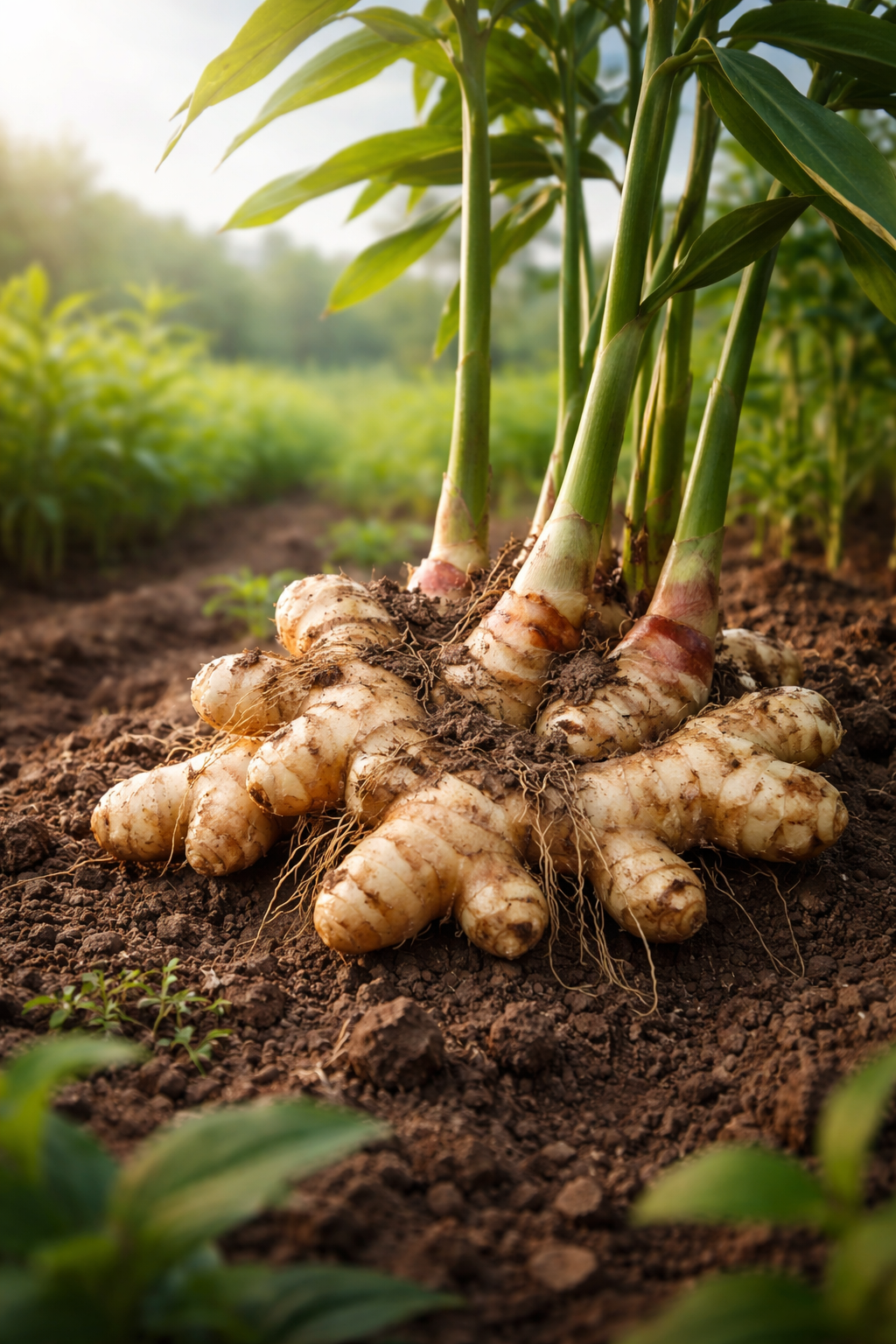


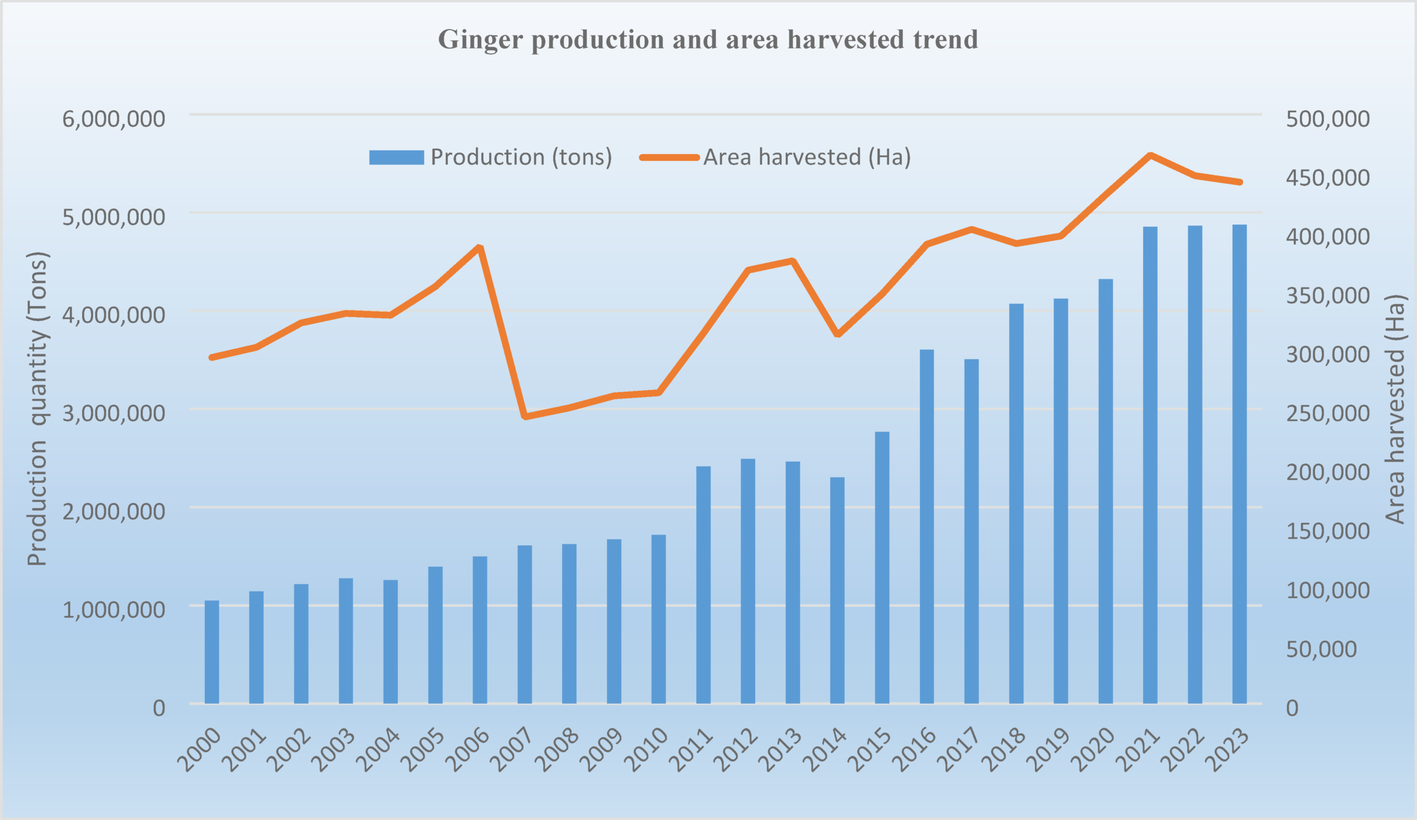

The Challenge of the Single-Author Journey:
Managing a multidimensional study as a single author presented unique challenges in data integrity and synthesis. My goal was to integrate disparate datasets—from global production and trade volumes to bibliometric publication metrics—into a coherent narrative. The aim was not just to highlight a problem, but to provide a strategic roadmap for more effective future research allocation in a vital global commodity.
Peer Review: A Catalyst for Clarity:
As a Journal Editor and Reviewer, I deeply respect the peer-review process, and this paper was no exception. Receiving "Major Revisions" on a solo project always pushes for deeper critical reflection. The reviewers for Discover Plants were instrumental in helping me sharpen the definition of the research impact gap and strengthen the analytical links between production data and scientific output. This rigorous engagement ultimately led to a truly rewarding outcome:
"I'm really pleased to see how thoroughly they've tackled all the points—their clarifications and corrections are spot-on and have genuinely improved the manuscript. It’s in great shape now."
This feedback from a specialist confirmed the invaluable role of comprehensive peer review in transforming complex findings into robust scholarship.
Key Findings & Call to Action:
The multidimensional analysis uncovered compelling insights into the "Research Impact Gap":
✅ A significant mismatch exists between the top ginger-producing nations and the volume of high-impact research originating from those regions.
✅ Current research priorities do not adequately reflect the dynamic shifts in global ginger trade, particularly concerning sustainability and post-harvest innovation.
✅ There is a clear need for a more integrated, "multidimensional" research approach—one that thoughtfully combines botanical science, economic analysis, and trade policy—to effectively close these gaps.
I hope this paper serves as a catalyst for a discussion within our community.
Read the full study here: https://doi.org/10.1007/s44372-026-00555-7

Dr. Olutosin Ademola OTEKUNRIN is an Agricultural Economist (academic researcher) from Nigeria. He holds a B. Agric. in Agricultural Economics from the Federal University of Agriculture, Abeokuta (FUNAAB), Nigeria. He obtained his M.Sc and Postgraduate Diploma in Education (PGDE) in Agricultural Economics and Agricultural Education from the University of Ibadan, Ibadan, and National Open University of Nigeria (NOUN) respectively. He holds a PhD in Agricultural Economics from Federal University of Agriculture Abeokuta (FUNAAB), Nigeria. His field of interest includes Agricultural Economics; Agribusiness; Food Security and Nutrition; Agricultural Marketing; Agricultural Education; Farm Management.
Dr. Olutosin Otekunrin is currently a lecturer and the departmental coordinator of the Department of Agribusiness, Federal University of Agriculture and Development Studies, Iragbiji (FUADSI), Nigeria and holds a position of Senior Research Associate at Innovation Lab for Policy Leadership in Agriculture and Food Security (PiLAF), University of Ibadan, Nigeria.
He also holds a position of a Research Fellow in the University of the Free State (UFS), Bloemfontein, South Africa. He's a young and aspiring academic that has published in some internationally recognized journals like Global Food Security, Data in Brief, Sustainability, Agriculture (MDPI), Scientific African, Environmental Science and Pollution Research, Methods, Nutrition & Food Science (Emerald), Child Indicators Research (Springer Nature), Scientific African among others. He also serves as reviewer to journals such as Social Indicators Research, British Food Journal, Geo Journal, African Journal of Science, Technology, Innovation and Development, PLOS ONE, Forest and Society journal, Cogent Economics and Finance, Cogent Food and Agriculture, Environment, Development and Sustainability (Springer), Frontiers in Public Health, Frontiers in Environmental Science, Frontiers in Animal, Frontiers in Nutrition, Frontiers in Sustainable Food Systems, Frontiers in Nutrition, among others.
Dr. Otekunrin serves as
✅ Lead Guest Editor, Frontiers in Sustainable Food Systems (July 2026 -present)
✅ Editorial Board member, Scientific Reports (Nature Portfolio) (July 2026-present)
✅ Senior Editorial Board member, Discover Agriculture (June 2026 -present)
✅ Editorial board member, BMC Research Notes (12 March, 2026 to present)
✅ Editorial board member, Discover Global Society (25 July, 2025)
✅ Guest Associate Editor, Frontiers in Nutrition & Frontiers in Sustainable Food Systems (1 April & June 12, 2025)
✅ Associate Editor, Frontiers in Sustainable Food Systems (12 March 2025)
✅ Associate Editor, Frontiers in Nutrition (12 March 2025)
✅ Guest Editor, BMC Nutrition (November, 2024)
✅ Editorial Board Member, BMC Agriculture (August, 2024)
✅ Editorial Board Member, Discover Agriculture (June, 2024)
✅ Editorial Board member, BMC Public Health (July, 2023)
✅ Review Editor, Frontiers in Public Health (January, 2023)
✅ Academic Editor, PLOS ONE (January, 2023)
✅ Section Editor, Caraka Tani: Journal of Sustainable Agriculture (March, 2020)
Dr. Otekunrin is a Web of Science (Publons) Academic graduate and Academy mentor (successfully mentored 16 WoS Academy graduates from different parts of the world) and has reviewed 1, 148 manuscripts for over 150 local and international (Scopus/WoS indexed) peer review journals. He has 735 verified editor records as of 2 September 2025
🔗https://www.webofscience.com/wos/author/rid/J-8964-2017
Dr. Otekunrin has been recognized with fifteen Springer Nature Editor of Distinction (EoD) Awards between 2025 and 2026, including Editorial Contribution Awards and Author Service Awards across six Springer Nature journals: BMC Agriculture, BMC Nutrition, BMC Public Health, Journal of Health, Population and Nutrition, Discover Agriculture, and Discover Global Society. These awards recognize his sustained excellence in peer review, editorial leadership, and commitment to supporting authors and advancing high-quality scholarly publishing.
Follow the Topic
-
Discover Plants
A fully open access, peer-reviewed journal supporting multidisciplinary research across all fields relevant to molecular, cellular, tissue, organ and whole organism research as well as plant breeding, plant pathology, and the interaction of plants with the environment.

Related Collections
With Collections, you can get published faster and increase your visibility.
Plant–Soil Microbiome Interactions: Microbial Diversity, Networks, and Sustainable Crop Production
This collection focuses on the close relationships between plants, soils, and the many microorganisms that live around plant roots. These microbes are essential for healthy crops and strong ecosystems. They help plants absorb nutrients, store carbon in soil, tolerate stress such as drought, and resist diseases. Instead of working alone, microbes function as connected communities, shaped by plant roots, soil conditions, and the environment.
This collection presents new research on how microbial diversity and community connections affect crop growth and soil health. Special attention is given to network-based studies that identify important microbes, group functions, and interaction patterns that keep microbiomes stable and productive. Topics include how plants communicate with microbes, how root secretions shape microbial communities, the use of genetic tools to study microbial functions, and models that explain microbiome changes over time and space.
The collection also links basic science with real farming practices. It explores ways to use beneficial microbes to improve agriculture, such as microbial fertilizers, mixed microbial communities, soil health measurements, climate-resilient farming systems, and regenerative practices that support healthy soils.
By combining ecological knowledge, modern biological tools, and field studies, this collection aims to better understand plant–soil microbiome systems and apply this knowledge to improve crop production, protect the environment, and support global food security.
Keywords: rhizosphere microbiome; plant–soil feedbacks; microbiome networks; microbial diversity; nutrient cycling; plant growth-promoting rhizobacteria (PGPR); soil health
Publishing Model: Open Access
Deadline: Nov 14, 2026
Plant Secondary Metabolites: Biosynthesis, Regulation, and Ecological Functions
Plants are dynamic producers of bioactive compounds, synthesizing a vast array of secondary metabolites that play vital roles beyond primary metabolic functions. These compounds, such as alkaloids, phenolics, terpenoids, flavonoids, and glycosides, serve as essential mediators in plant defense, signaling, and ecological interactions. This Collection aims to compile comprehensive insights into the biosynthesis pathways, regulatory mechanisms, and ecological significance of plant secondary metabolites. It will also explore how advanced approaches in metabolomics, genomics, and biotechnology are deepening our understanding of these processes and shaping future research directions in plant science.
Keywords: biosynthesis pathways, regulatory mechanisms, ecological functions, alkaloids, terpenoids, flavonoids, phenolic compounds, glycosides, metabolomics
Publishing Model: Open Access
Deadline: Sep 30, 2026




Please sign in or register for FREE
If you are a registered user on Research Communities by Springer Nature, please sign in
Full text of the paper: https://doi.org/10.1007/s44372-026-00555-7