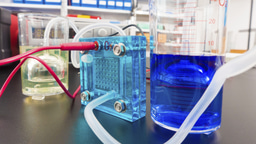
Call for papers: Advances in single-atom catalysis
Published in Chemistry

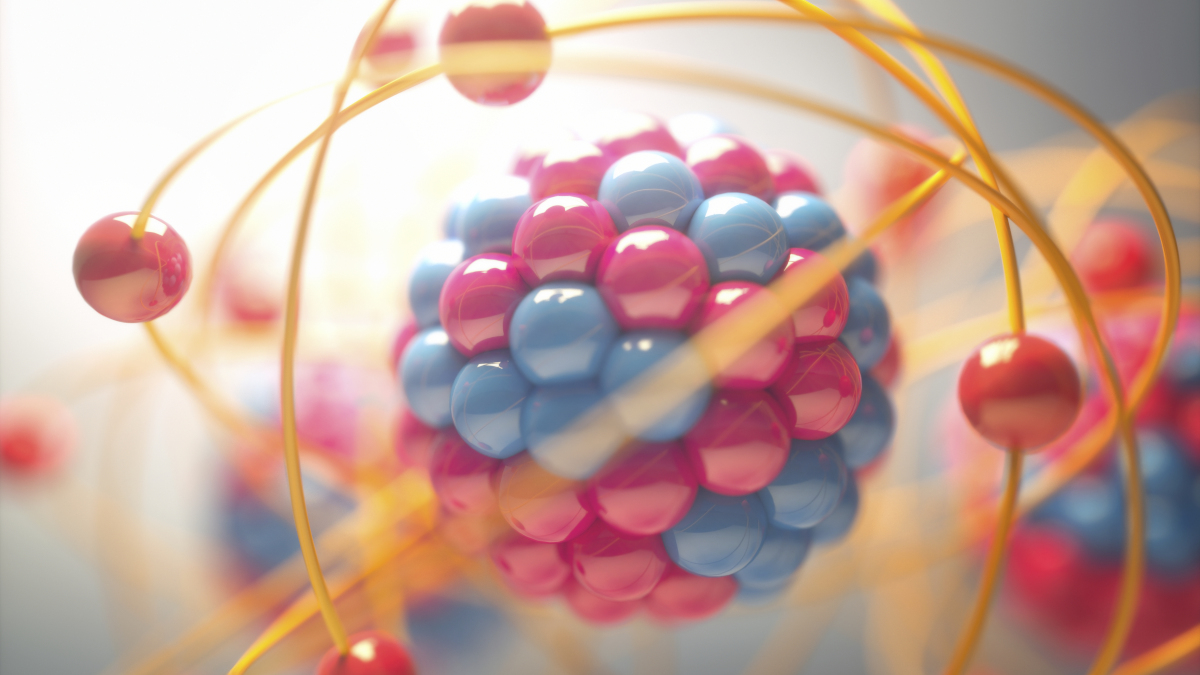

Single-atom catalysis
Single-atom catalysis is an emerging area of research that involves using individual metal atoms dispersed on solid as a catalyst to drive chemical reactions. The synergistic interaction between active atomic centers and the substrate can be tuned to enhance selectivity and stability, offering advantages over traditional homogeneous and heterogeneous catalysis.
What is this collection about?
This Collection welcomes contributions that highlight experimental and theoretical advances in the design, preparation, characterization, mechanistic understanding and application of single-atom catalysts.
To highlight these advances, Communications Chemistry will consider original Articles, Reviews and Perspectives within this scope until the submission deadline of 31 January 2026. All submissions will be subject to the same review processes and editorial standards as regular submissions to Communications Chemistry.
Why is this collection important?
Single-atom catalysis has shown great promise in developing efficient catalysts for chemical, thermal, electrochemical, and photochemical processes.
Why submit to a collection?
Collections like this one help attract and promote high-quality science. They are led by internal In-House Editors and supported by a dedicated team of Commissioning Editors and Managing Editors at Springer Nature. Collection manuscripts typically see higher citations, downloads, and Altmetric scores, and provide a one-stop-shop on a cutting-edge topic of interest.
Who is involved?
Communications Chemistry is edited by both in-house professional editors and Editorial Board Members.
How can I submit my paper?
Visit the Collection page to find out more about this collection and submit your article.
Follow the Topic
-
Communications Chemistry
An open access journal from Nature Portfolio publishing high-quality research, reviews and commentary in all areas of the chemical sciences.
Related Collections
With Collections, you can get published faster and increase your visibility.
Peptide drug design
Publishing Model: Hybrid
Deadline: Jan 28, 2027
Synthetic approaches to carbon nanomaterials
Publishing Model: Open Access
Deadline: Nov 30, 2026