Call for Papers: AI-Driven Ocular Imaging for Eye-Brain Disorders
Published in Neuroscience, Physics, and Computational Sciences

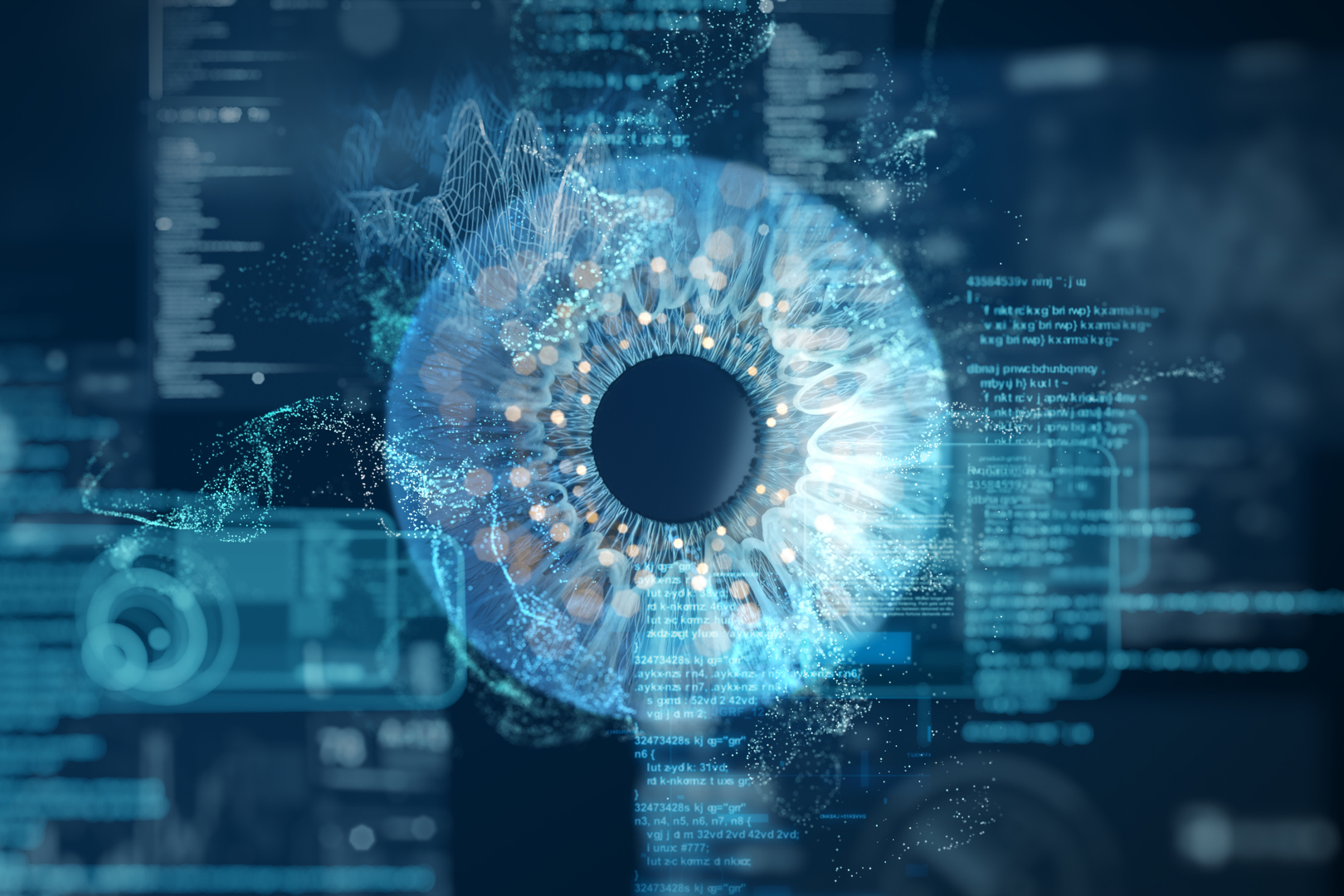
Neuroretina is pleased to announce a new Special Collection, AI-Driven Ocular Imaging for Eye-Brain Disorders, exploring the rapidly evolving intersection of artificial intelligence, ocular imaging, and neuroscience. This Collection provides a dedicated platform for innovative research that leverages AI technologies to improve our understanding, detection, and monitoring of neurological and neuro-ophthalmic diseases through the eye.
The eye offers a unique window into the brain, and advances in imaging technologies are generating increasingly detailed structural and functional datasets. At the same time, developments in artificial intelligence, machine learning, deep learning, and computer vision are enabling researchers to uncover novel biomarkers and patterns that may not be detectable through conventional analysis. This Collection aims to showcase cutting-edge research at this exciting interface of ophthalmology, neurology, imaging science, and computational science.
Submission deadline: 30 July 2027
Scope and Topics
We welcome original research, reviews, and other article types that advance the development, validation, and clinical application of AI-driven approaches for analysing ocular structure and function in neurological disease. Areas of interest include:
- AI analysis of retinal and optic nerve imaging
- AI-based eye tracking and oculomotor biomarkers
- Eye-brain biomarkers for neurological and neuro-ophthalmic diseases
- Multimodal and predictive modelling
- Foundation models and large-scale ophthalmic datasets
- Clinical translation, validation, and trustworthy AI
The Collection particularly encourages work focused on neurodegenerative disorders such as Alzheimer's and Parkinson's disease, neuroinflammatory and demyelinating conditions including multiple sclerosis, NMOSD and MOGAD, as well as other neuro-ophthalmic and neurological diseases. Studies integrating retinal, optic nerve, or oculomotor measures with clinical, molecular, genetic, cognitive, or other multimodal datasets are also highly encouraged.
Guest Editors
This Collection is led by expert Guest Editors Professor Allison Liu and Professor Jui-Kai (Ray) Wang.

Yin Allison Liu, MD, PhD, is an Associate Professor of Ophthalmology and Vision Science, Neurology, and Neurological Surgery at the University of California, Davis. She serves as Director of the Neuro-Ophthalmology Service at UC Davis Health. Dr. Liu is a physician-scientist whose research focuses on the intersection of vision, neuroscience, and neurodegenerative disease. Her work investigates ocular and retinal biomarkers of neurological disorders, with particular interests in Alzheimer’s disease and related dementias, optic neuropathies, and the development of novel imaging and digital technologies for early disease detection. Her research integrates optical coherence tomography and other retinal imaging modalities with cognitive assessments, molecular biomarkers, artificial intelligence, and translational animal models. She leads multidisciplinary collaborations spanning ophthalmology, neurology, neuroscience, engineering, and community-based research. A major goal of her research program is to develop accessible, non-invasive approaches that use the eye and visual system as a window into brain health, facilitating earlier detection and improved monitoring of neurological and neurodegenerative diseases. Dr. Liu is also actively involved in medical education, mentorship, and scientific publishing and serves in editorial roles in neuro-ophthalmology.

Jui-Kai (Ray) Wang, PhD, is an Assistant Professor in the Department of Ophthalmology at UT Southwestern Medical Center. His research lies at the intersection of artificial intelligence and ophthalmic image analysis with a focus on developing machine learning and deep learning methods for quantitative and interpretable analysis of ocular imaging. His work spans neuro-ophthalmology, glaucoma, retinal diseases, and ocular oncology, with particular interests in multimodal imaging, spatial patterns of retinal and optic nerve damage, disease progression, and AI-based imaging biomarkers. Dr. Wang has published extensively in ophthalmology and biomedical imaging, with work appearing in Ophthalmology, JAMA Ophthalmology, American Journal of Ophthalmology, IEEE Transactions on Medical Imaging, and Scientific Reports. He serves on the editorial boards of Scientific Reports, Neuroretina, and Frontiers in Neurology: Neuro-Ophthalmology. His research aims to advance interpretable AI for understanding, detecting, and monitoring ocular diseases.
Submit Your Work
Publishing in this Collection offers authors the opportunity to:
- Showcase their work alongside leading research in an emerging interdisciplinary field
- Reach audiences across ophthalmology, neurology, imaging science, and AI research
- Contribute to the development of clinically relevant and trustworthy AI applications
- Help advance the discovery of ocular biomarkers that improve our understanding of brain health and disease
We invite researchers working at the forefront of AI, ophthalmic imaging, neuro-ophthalmology, and neurological disease to contribute their latest findings. Whether developing novel algorithms, validating emerging biomarkers, or translating AI innovations into clinical practice, your work can help shape the future of eye-brain research.
👉 Click here to explore more about the collection & submission guidelines!
Follow the Topic
-
Neuroretina
This is a brand new open access journal, with a focus on using retinal imaging techniques alongside molecular and genetic markers to improve the understanding, diagnosis, and management of neurodegenerative diseases.