Call for papers: Alternative cell death mechanisms in cancer
Published in Cancer and Cell & Molecular Biology

What is this collection about?
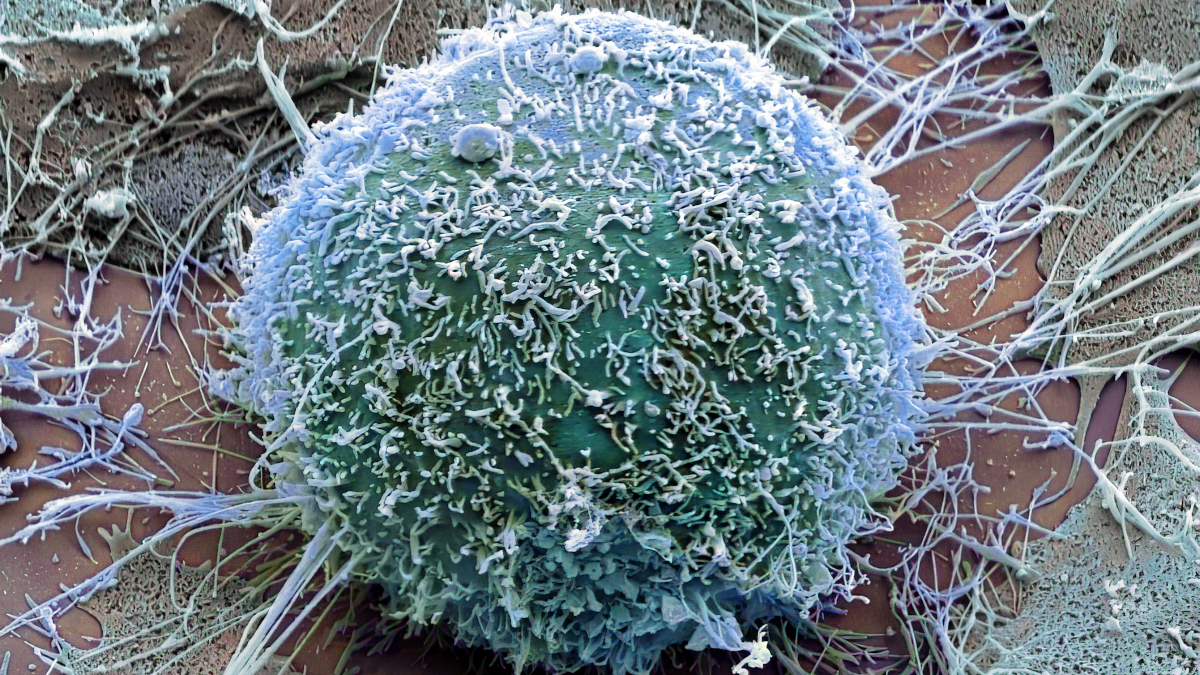
The ability of cancer cells to survive conditions that would normally trigger cell death is a hallmark of cancer. Recently, the field of regulated cell death in cancer has shifted from a focus on apoptosis to a broader landscape encompassing necroptosis, pyroptosis, ferroptosis, cuproptosis, autophagy-dependent cell death, disulfidptosis, and other emerging pathways. They have been increasingly recognized as key determinants of tumorigenesis, interactions with the tumour microenvironment, and response to therapy, also revealing new opportunities for therapeutic intervention.
With this collection, Nature Progress Oncology, Nature, Nature Communications, Nature Cell Biology, and Communications Biology invite submissions that aim to advance our understanding of the molecular mechanisms governing alternative cell death mechanisms in cancer and their crosstalk with tumour and tumor microenvironment biology, as well as pre-clinical and clinical studies exploring potential therapeutic strategies that harness alternative cell death mechanisms for cancer treatment.
Why is this collection important?
This is a cross-journal collection between Nature Progress Oncology, Nature, Nature Communications, Nature Cell Biology, and Communications Biology. Authors are welcome to submit to any of the participating journals. All manuscripts published in the collection are hosted on a dedicated nature portfolio portal, giving articles high visibility beyond the journal they are published in.
Why submit to a collection?
Collections like this one help promote high-quality science. They are led by In-House Editors who are experts in their fields and supported by a dedicated team of Commissioning Editors and Managing Editors at Springer Nature. Collection manuscripts typically see higher citations, downloads, and Altmetric scores, and provide a one-stop-shop on a cutting-edge topic of interest.
Who is involved?
Nature Progress Oncology is edited by in-house professional editors and Editorial Board Members.
Nature Communications is edited by in-house professional editors.
Communications Biology is edited by both in-house professional editors and Editorial Board Members.
Scientific Reports is managed by in-house professional editors and edited by Editorial Board Members.
Our editors work closely together to ensure the quality of our published papers and consistency in author experience.
How can I submit my paper?
Follow the Topic
-
Communications Biology
An open access journal from Nature Portfolio publishing high-quality research, reviews and commentary in all areas of the biological sciences, representing significant advances and bringing new biological insight to a specialized area of research.
-
Nature
A weekly international journal publishing the finest peer-reviewed research in all fields of science and technology on the basis of its originality, importance, interdisciplinary interest, timeliness, accessibility, elegance and surprising conclusions.
-
Nature Communications
An open access, multidisciplinary journal dedicated to publishing high-quality research in all areas of the biological, health, physical, chemical and Earth sciences.
-
Nature Cell Biology
This journal publishes papers of the highest quality from all areas of cell biology, encouraging those that shed light on the mechanisms underlying fundamental cell biological processes.
-
Nature Progress Oncology
This is an open-access journal from Nature Portfolio that publishes high-quality research, reviews and commentary in all areas of cancer research. Research papers published by the journal represent significant advances that bring new insight to a specialized area in oncology research.





Related Collections
With Collections, you can get published faster and increase your visibility.
Bone biology
Publishing Model: Open Access
Deadline: Feb 12, 2027
Inequalities in cancer: addressing challenges in diagnosis and treatment
Publishing Model: Open Access
Deadline: May 21, 2027