Call for Papers: Autophagy
Published in Cell & Molecular Biology




What is this collection about?
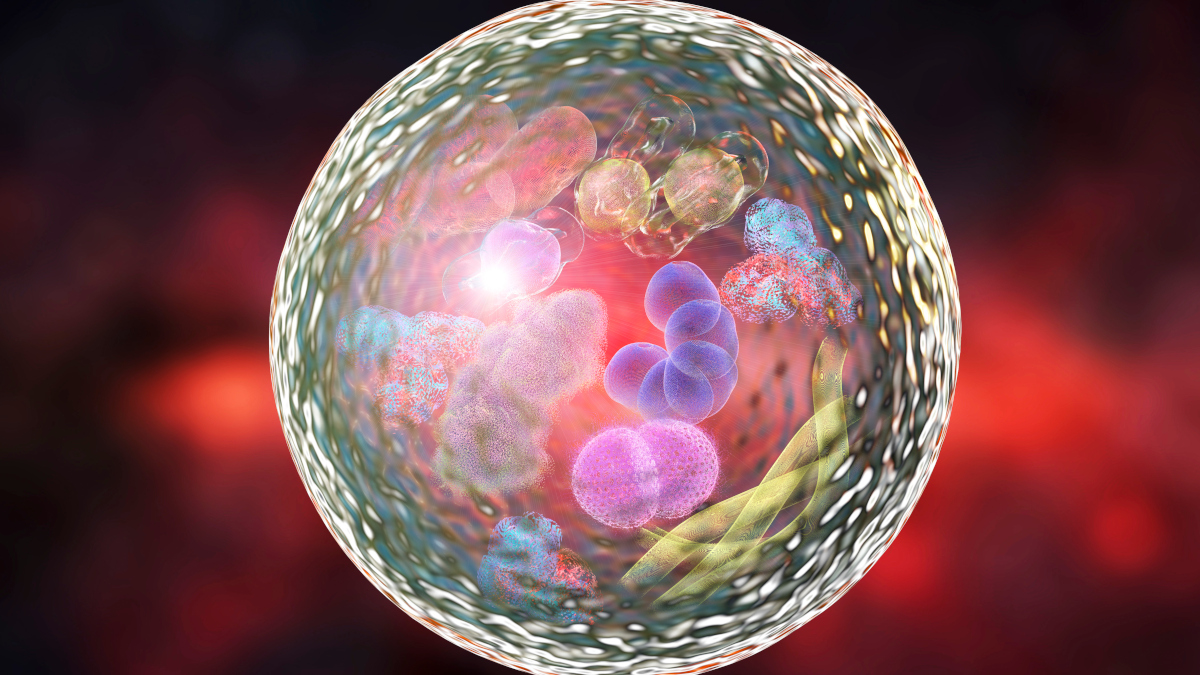
This collection highlights recent advances in autophagy research, spanning fundamental biological mechanisms and emerging physiological and pathological insights. We welcome submissions presenting cutting‑edge discoveries that deepen our understanding of autophagy across molecular, cellular, and systems levels. This includes work on autophagy initiation, cargo recognition, autophagosome formation and dynamics, lysosomal function, organelle‑specific autophagy pathways, and the integration of autophagy with broader cellular networks.
We also encourage research that explores the physiological roles of autophagy in tissues and whole organisms, alongside studies investigating disease‑related mechanisms or potential therapeutic strategies that target autophagy. Innovative methodological and technological contributions that advance the study of autophagy are also valuable.
All relevant submissions are welcome – and not by invitation only - and will undergo the same rigorous peer‑review process and editorial standards as regular articles in the journal, provided they fall within the scope of the Collection and of Communications Biology more generally. See our for more details.
Why submit to a collection?
Collections like this one help promote high-quality science. They are led by Guest Editors and In-House Editors who are experts in their fields and supported by a dedicated team of Commissioning Editors and Managing Editors at Springer Nature. Collection manuscripts typically see higher citations, downloads, and Altmetric scores, and provide a one-stop-shop on a cutting-edge topic of interest. All manuscripts published in the Collection are hosted on a dedicated Nature portfolio portal, giving articles high visibility beyond the journal they are published in.
Who is involved?
Julia Dancourt, PhD, Université Paris Cité, France
Trained as a biochemist, Julia Dancourt has a long-standing and far-reaching interest in the cellular and molecular mechanisms that drive intracellular membrane trafficking, including in autophagy. After many years working in various institutions in the USA., she is currently an Assistant Professor at Université Paris Cité, France.
Gregory Lavieu, PhD, INSERM, France
Gregory Lavieu is a cell biologist/biochemist with expertise in membrane trafficking. He is a Permanent Investigator at INSERM (French National Institute of Health and Medical Research), and “Chaire d’Excellence” at Université de Paris, France. Lavieu’s most valuable scientific accomplishment is the discovery and the characterization of the Rim Progression, a mode of transport within the cell that is dedicated to large cargoes that cannot fit into classical transport vesicles. Gregory Lavieu is now focusing on the delivery of Extracellular Vesicles at the cellular and molecular levels and is an Editorial Board Member at Communications Biology.
Communications Biology is edited by both in-house professional editors and Editorial Board Members. Dr. Julia Dancourt and Dr. Gregory Lavieu will act as Guest Editors for submissions to this Collection in Communications Biology.
How can I submit my paper?
Visit the Collection page to find out more about this collection and submit your article.
Follow the Topic
-
Communications Biology
An open access journal from Nature Portfolio publishing high-quality research, reviews and commentary in all areas of the biological sciences, representing significant advances and bringing new biological insight to a specialized area of research.

Related Collections
With Collections, you can get published faster and increase your visibility.
Healthy Aging
Publishing Model: Open Access
Deadline: Dec 31, 2026
DNA repair and human disease
Publishing Model: Hybrid
Deadline: Oct 31, 2026