Call for papers: Cell death and inflammatory signalling
Published in Cell & Molecular Biology and Immunology
What is this collection about?
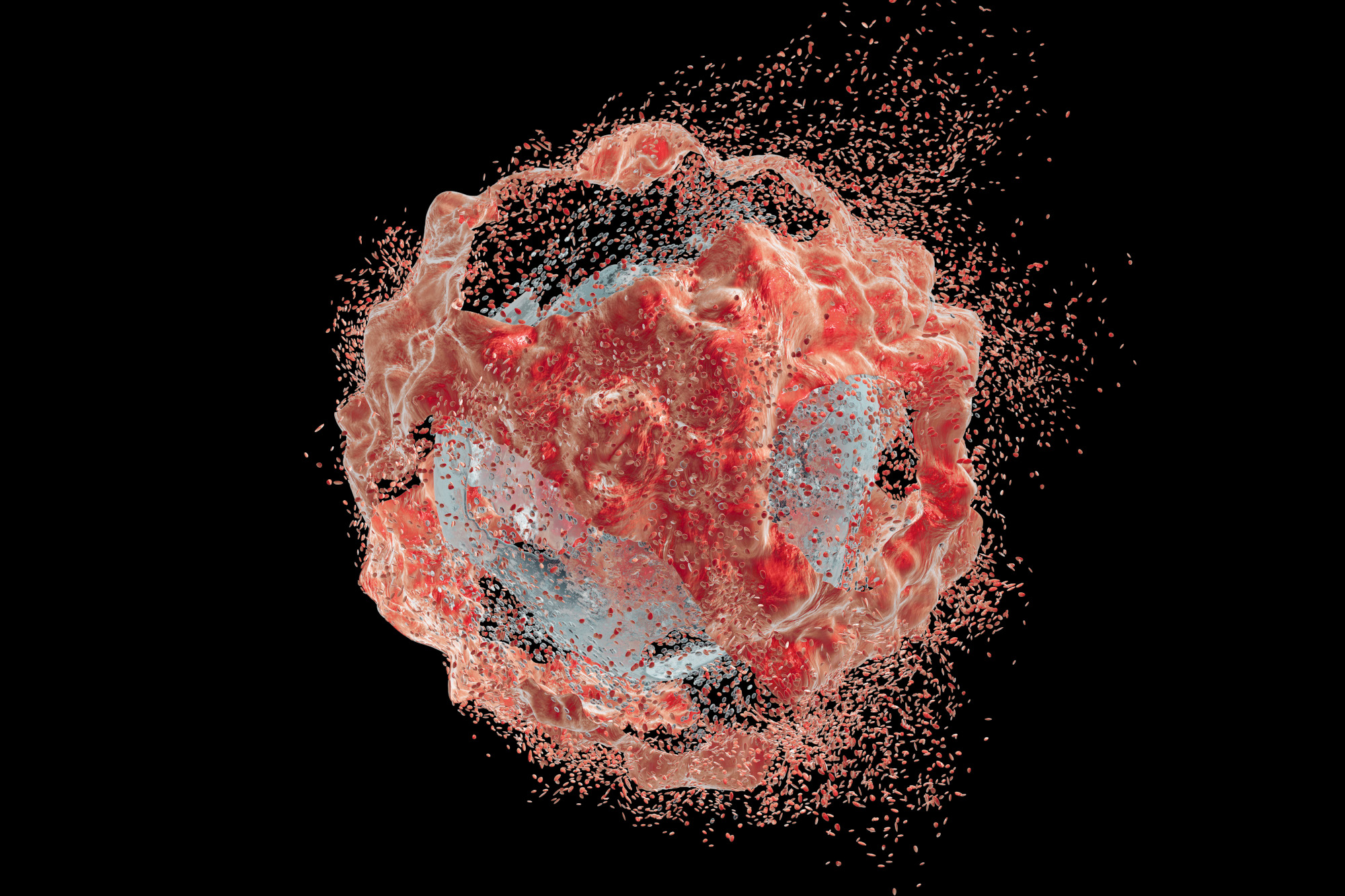
The controlled activation of cell death pathways triggers acute inflammatory responses that help restore tissue homeostasis. In contrast, excessive regulated cell death or defective clearance of dying cells can drive chronic inflammation and contribute to inflammatory disorders. In this collection, Nature Communications, Nature Immunology, Nature Cell Biology and Communications Biology welcome original research articles focused on the control of immune and non-immune cell death, the coordination of programmed cell death with immune responses in health and disease, and the selective targeting of cell death regulatory molecules as potential therapies for chronic inflammatory disorders.
Why is this collection important?
Understanding how cell death pathways interact with inflammation and immunity has important implications for both fundamental biology and human health. Research in this area can reveal how tissues maintain balance, why chronic inflammatory diseases develop, and how these processes may be targeted therapeutically. By bringing together studies across cell biology, immunology and translational research, this collection will help highlight advances that could shape future approaches to preventing and treating inflammatory disorders.
Why submit to a collection?
Collections like this one help attract and promote high-quality science. They are led by internal In-House Editors and supported by a dedicated team of Commissioning Editors and Managing Editors at Springer Nature. Collection manuscripts typically see higher citations, downloads, and Altmetric scores, and provide a one-stop-shop on a cutting-edge topic of interest.
Who is involved?
Nature Communications is edited by in-house professional editors.
Nature Immunology is edited by in-house professional editors.
Nature Cell Biology is edited by a team of full-time professional editors.
Communications Biology is edited by both in-house professional editors and Editorial Board Members.
Our editors work closely together to ensure the quality of published papers and consistency in author experience.
How can I submit my paper?
Visit the Collection page to find out more about this collection and submit your article.

Follow the Topic
-
Communications Biology
An open access journal from Nature Portfolio publishing high-quality research, reviews and commentary in all areas of the biological sciences, representing significant advances and bringing new biological insight to a specialized area of research.
-
Nature Communications
An open access, multidisciplinary journal dedicated to publishing high-quality research in all areas of the biological, health, physical, chemical and Earth sciences.
-
Nature Immunology
A multidisciplinary journal that publishes papers of the highest quality and significance in all areas of immunology. Priority is given to work that provides translational and/or fundamental insight into the workings of the immune system
-
Nature Cell Biology
This journal publishes papers of the highest quality from all areas of cell biology, encouraging those that shed light on the mechanisms underlying fundamental cell biological processes.




Related Collections
With Collections, you can get published faster and increase your visibility.
Women's Health
Publishing Model: Hybrid
Deadline: Ongoing
Crosstalk Between Tissue-Resident Adaptive and Innate Memory Cells
Publishing Model: Hybrid
Deadline: Feb 02, 2027