Call for papers: Complex Trait Genetics: From Association to Function
Published in Genetics & Genomics
What is this collection about?
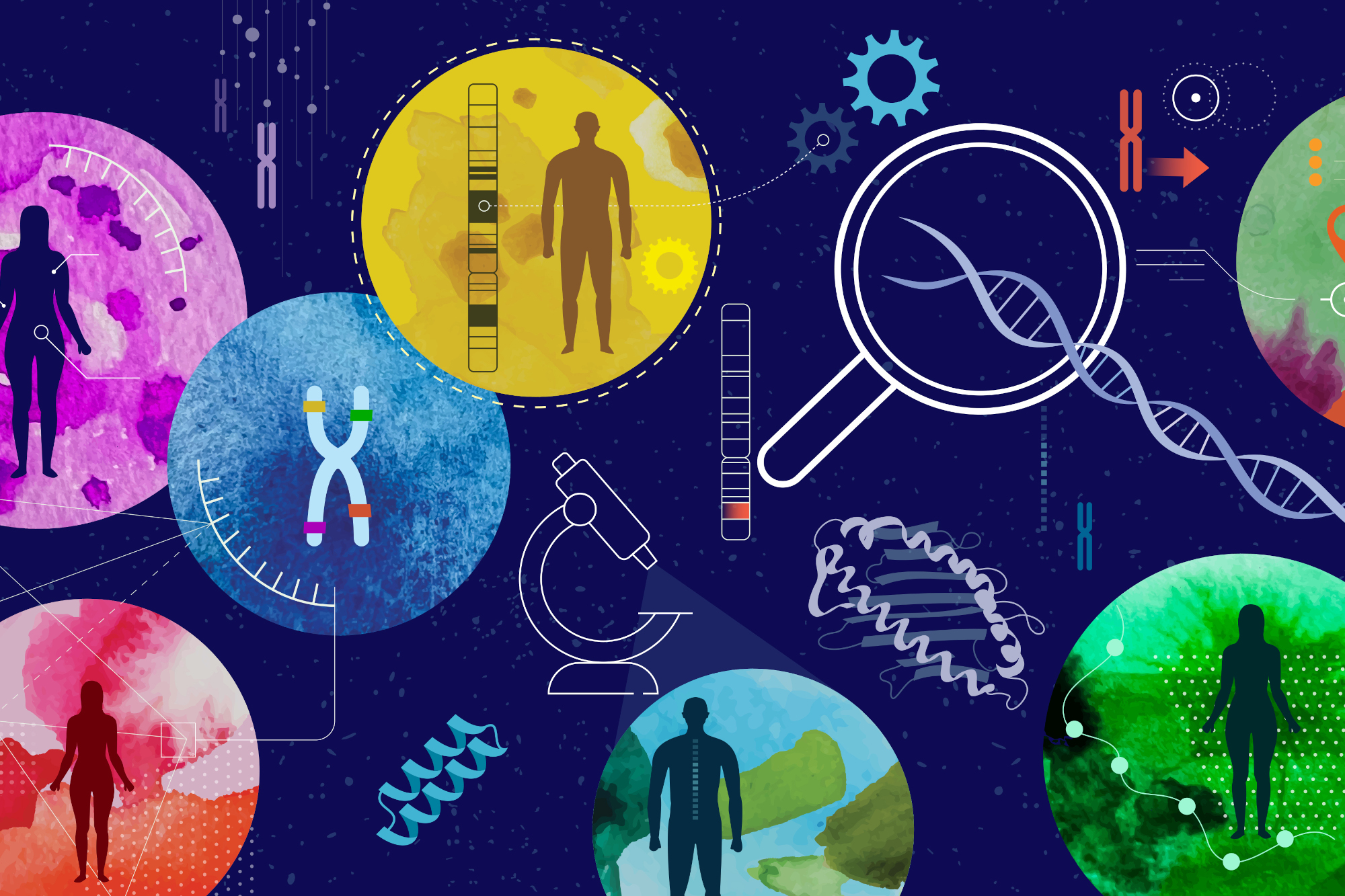
Genome-wide association studies have identified thousands of loci linked to complex traits, but translating these findings into biological understanding remains a major challenge. In this cross-journal Collection, the editors at Nature Communications, Communications Biology and Scientific Reports invite manuscripts that provide functional and mechanistic insights into genetic associations, including studies using fine-mapping, multi-omics integration, single-cell and spatial approaches, and in vitro or in vivo experimental systems. Nature Communications, Communications Biology and Scientific Reports will consider original Articles, while Communications Biology will also consider Reviews, Perspectives, Mini-Reviews and Comments.
Why is this collection important?
Recent advances in genetics have generated vast numbers of association signals for complex traits and diseases. Understanding the biological mechanisms underlying these signals is essential for translating genetic discoveries into meaningful insights about human biology and disease. This Collection aims to showcase research that bridges the gap between association and function, highlighting approaches that reveal causal genes, molecular pathways and mechanisms. By bringing together studies across multiple journals, the Collection will serve as a valuable resource for researchers working at the interface of genetics, genomics and functional biology.
Why submit to a collection?
Collections like this one help attract and promote high-quality science. They are led by internal In-House Editors and supported by a dedicated team of Commissioning Editors and Managing Editors at Springer Nature. Collection manuscripts typically see higher citations, downloads, and Altmetric scores, and provide a one-stop-shop on a cutting-edge topic of interest.
Who is involved?
Nature Communications is edited by in-house professional editors.
Communications Biology is edited by both in-house professional editors and Editorial Board Members.
Scientific Reports is managed by in-house professional editors and edited by Editorial Board Members.
Our editors work closely together to ensure the quality of our published papers and consistency in author experience.
How can I submit my paper?
Visit the Collection page to find out more about this collection and submit your article.

Follow the Topic
-
Communications Biology
An open access journal from Nature Portfolio publishing high-quality research, reviews and commentary in all areas of the biological sciences, representing significant advances and bringing new biological insight to a specialized area of research.
-
Nature Communications
An open access, multidisciplinary journal dedicated to publishing high-quality research in all areas of the biological, health, physical, chemical and Earth sciences.
-
Scientific Reports
An open access journal publishing original research from across all areas of the natural sciences, psychology, medicine and engineering.



Related Collections
With Collections, you can get published faster and increase your visibility.
Phytochemicals and health
Publishing Model: Open Access
Deadline: Oct 28, 2026
Women's Health
Publishing Model: Hybrid
Deadline: Ongoing