Call for papers: Conversion of plastics and biomass-derived polymers using heterogeneous catalysis
Published in Chemistry, Materials, and Sustainability
What is this collection about?
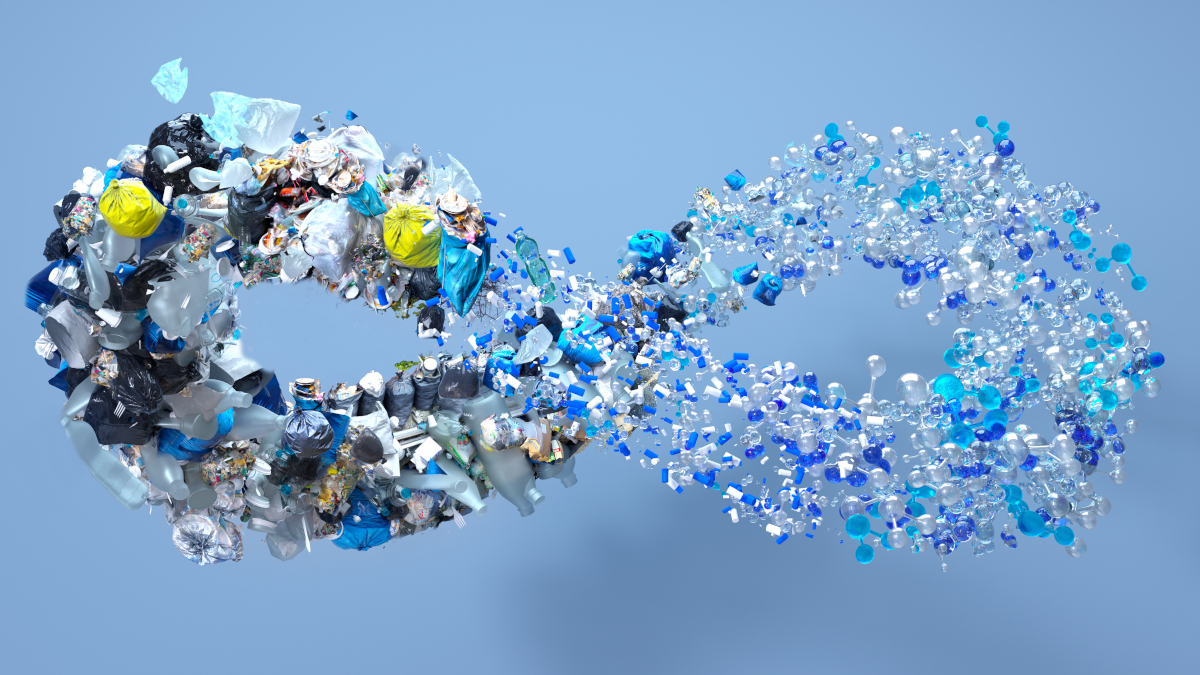
Plastic waste and biomass-derived polymers represent important potential sources of valuable chemical building blocks and monomer units. The use of heterogeneous catalysts for depolymerization and conversion of these polymers, for example based on metal oxides and porous materials (including zeolites and metal-organic frameworks), offers advantages in terms of reusability and recyclability compared to other depolymerization catalysts.
With this cross-journal Collection, the editors at Nature Progress Sustainable Chemistry, Nature Communications, Communications Chemistry, Communications Materials, Communications Sustainability and Scientific Reports invite manuscripts that realize advances in using heterogeneous catalysis for the conversion of plastics and biomass-derived polymers into smaller molecules.
We welcome manuscripts on all aspects of converting biomass-derived polymers and plastics that use heterogeneous catalysts, including, but not limited to:
- Heterogeneous catalyst design
- Plastic upcycling
- Valorization of biomass-derived polymers
- Photocatalytic depolymerization
- Electrocatalytic depolymerization
- Mechanistic insight into depolymerization
The participating journals will consider original Articles, Reviews and Perspectives that fall within the scope of the Collection. Scientific Reports will consider original Articles.
Why submit to a collection?
Collections like this one help promote high-quality science. They are led by Guest Editors and In-House Editors who are experts in their fields and supported by a dedicated team of Commissioning Editors and Managing Editors at Springer Nature. Collection manuscripts typically see higher citations, downloads, and Altmetric scores, and provide a one-stop-shop on a cutting-edge topic of interest.
Who is involved?
Nature Progress Sustainable Chemistry is edited by in-house professional editors.
Nature Communications is edited by in-house professional editors.
Communications Chemistry is edited by both in-house professional editors and Editorial Board Members.
Communications Materials is edited by both in-house professional editors and Editorial Board Members.
Communications Sustainability is edited by both in-house professional editors and Editorial Board Members.
Scientific Reports is edited by both in-house professional editors and Editorial Board Members.
How can I submit my paper?
Visit the Collection page to find out more about this collection and submit your article.

Follow the Topic
-
Nature Communications
An open access, multidisciplinary journal dedicated to publishing high-quality research in all areas of the biological, health, physical, chemical and Earth sciences.
-
Scientific Reports
An open access journal publishing original research from across all areas of the natural sciences, psychology, medicine and engineering.
-
Communications Chemistry
An open access journal from Nature Portfolio publishing high-quality research, reviews and commentary in all areas of the chemical sciences.
-
Communications Materials
A selective open access journal from Nature Portfolio publishing high-quality research, reviews and commentary in all areas of materials science.
-
Communications Sustainability
An open-access journal publishing high-quality, editorially selected and peer-reviewed advances in all sustainability-related areas of science, including the natural and social sciences as well as engineering.

Related Collections
With Collections, you can get published faster and increase your visibility.
Soil microbiomes and carbon sequestration under global change
Publishing Model: Hybrid
Deadline: Mar 18, 2027
Ecological resistance and resilience under global change
Publishing Model: Open Access
Deadline: Apr 07, 2027