Call for papers: Social, economic and governance dimensions of nature-based solutions
Published in Earth & Environment

What is this collection about?
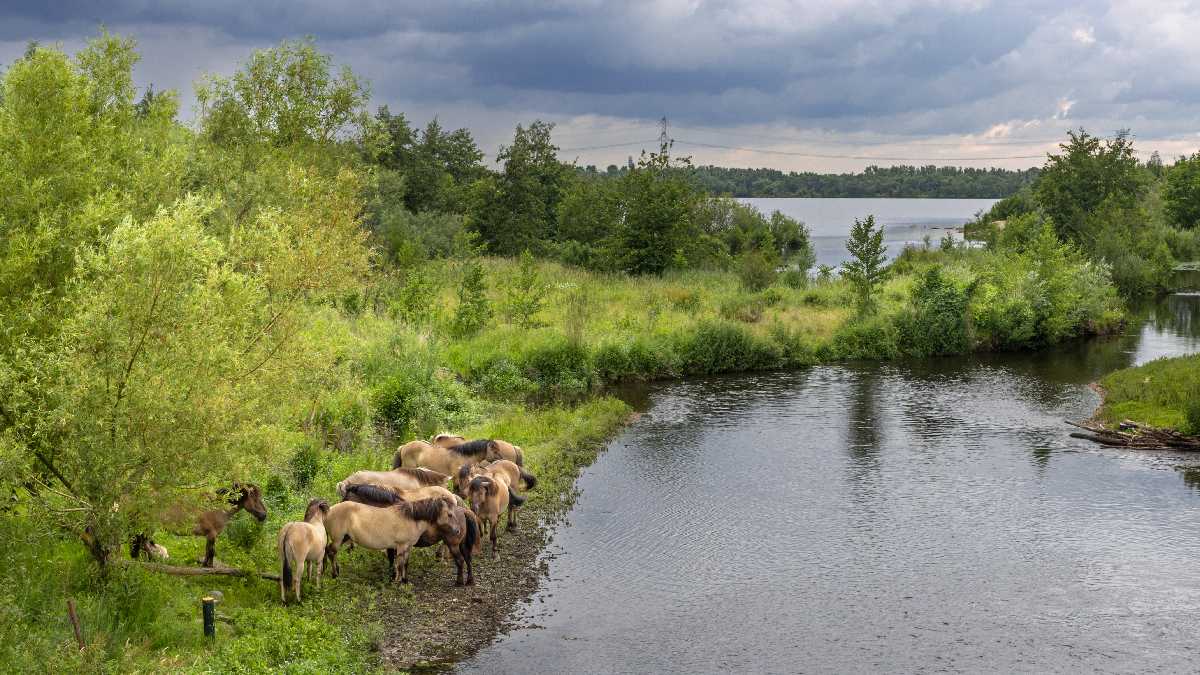
Nature-based solutions offer opportunities to address climate, biodiversity, and societal challenges simultaneously. From urban tree planting and wetland restoration to drought-resilient agriculture, nature-based solutions can benefit both people and nature. Yet despite growing evidence of their environmental and climate impacts, important questions remain about how to finance, govern, implement, scale, and evaluate these approaches in equitable and sustainable ways.
This cross-journal Collection invites research on the social, economic, and governance dimensions of nature-based solutions, with particular emphasis on innovative financing mechanisms, local and regional governance, implementation and scaling, monitoring and evaluation, and the fair distribution of benefits. We welcome studies that advance understanding of how nature-based solutions can deliver lasting and equitable outcomes across diverse environmental and societal settings.
This Collection supports and amplifies research directly relevant to Sustainable Development Goal (SDG) 13: Climate Action and SDG 14 (Life Below Water) and SDG 15 (Life on Land), SDG 6 (Clean Water and Sanitation), SDG 2 (Zero Hunger), SDG 3 (Good Health and Well-being), SDG 11 (Sustainable Cities and Communities), SDG 17 (Partnerships for the Goals).
Why is this collection important?
This is a cross-journal collection between Nature Communications, Communications Earth & Environment, Communications Sustainability, and Scientific Reports. Authors are welcome to submit to any of the participating journals. All manuscripts published in the collection are hosted on a dedicated nature portfolio portal, giving articles high visibility beyond the journal they are published in.
Why submit to a collection?
Collections like this one help promote high-quality science. They are led by In-House Editors who are experts in their fields and supported by a dedicated team of Commissioning Editors and Managing Editors at Springer Nature. Collection manuscripts typically see higher citations, downloads, and Altmetric scores, and provide a one-stop-shop on a cutting-edge topic of interest.
Who is involved?
Communications Earth & Environment is edited by both in-house professional editors and Editorial Board Members.
Communications Sustainability is edited by both in-house professional editors and Editorial Board Members.
Nature Communications is edited by in-house professional editors.
Scientific Reports is managed by in-house professional editors and edited by Editorial Board Members.
Our editors work closely together to ensure the quality of our published papers and consistency in author experience.
How can I submit my paper?
Follow the Topic
-
Nature Communications
An open access, multidisciplinary journal dedicated to publishing high-quality research in all areas of the biological, health, physical, chemical and Earth sciences.
-
Scientific Reports
An open access journal publishing original research from across all areas of the natural sciences, psychology, medicine and engineering.
-
Communications Earth & Environment
An open access journal from Nature Portfolio that publishes high-quality research, reviews and commentary in the Earth, environmental and planetary sciences.
-
Communications Sustainability
An open-access journal publishing high-quality, editorially selected and peer-reviewed advances in all sustainability-related areas of science, including the natural and social sciences as well as engineering.

Related Collections
With Collections, you can get published faster and increase your visibility.
Soil microbiomes and carbon sequestration under global change
Publishing Model: Hybrid
Deadline: Mar 18, 2027
Soil microbiomes and carbon sequestration under global change
Publishing Model: Hybrid
Deadline: Mar 18, 2027