Call for papers: Effects of Psychedelics on the Brain
Published in Neuroscience, Cell & Molecular Biology, and General & Internal Medicine
What is this collection about?
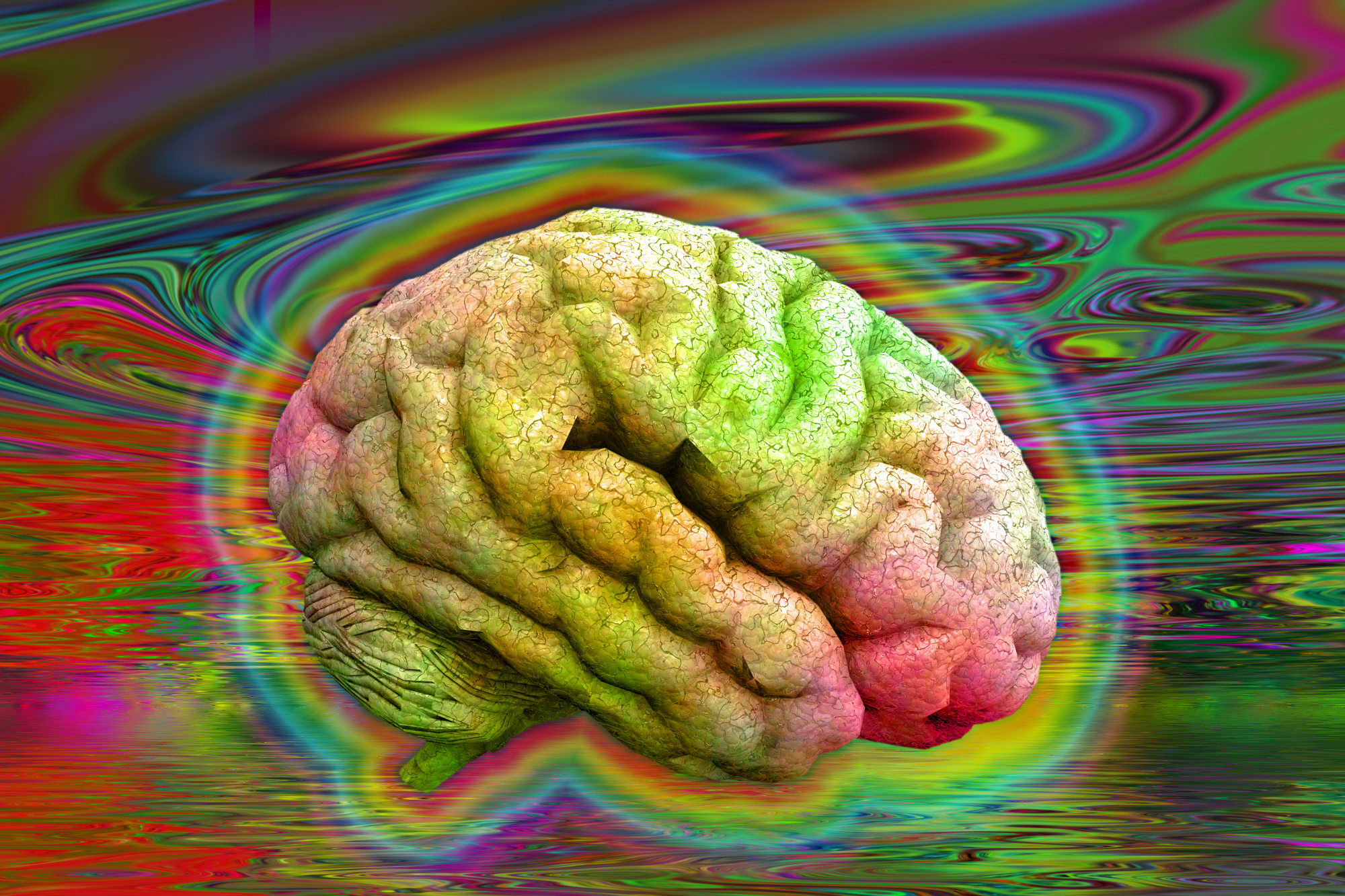
Psychedelics are a class of hallucinogenic compounds that have emerged as a promising form of treatment for neuropsychiatric disorders. Recent research suggests these compounds can enhance structural and functional neuroplasticity, supporting the reorganization of neural circuits, yet many of their underlying mechanisms remain incompletely understood. In this Collection, we welcome studies exploring how psychedelics affect the brain, from molecular signaling and cellular processes to systems-level dynamics, brain network reconfigurations and anatomical changes. We also welcome research that uses psychedelics to investigate neurocognitive processes, including consciousness, as well as their therapeutic applications for neurological and neuropsychiatric disorders. Studies involving animal models and human participants are both encouraged.
Why is this collection important?
Interest in psychedelic research has grown rapidly because of its potential to transform our understanding of the brain and contribute to new treatments for neuropsychiatric disorders. At the same time, fundamental questions remain about how these compounds produce changes in perception, cognition and neural function. By bringing together research across multiple scales of brain organization, this Collection aims to advance understanding of psychedelic mechanisms and support the development of evidence-based therapeutic approaches.
Why submit to a collection?
Collections like this one help attract and promote high-quality science. They are led by internal In-House Editors and supported by a dedicated team of Commissioning Editors and Managing Editors at Springer Nature. Collection manuscripts typically see higher citations, downloads, and Altmetric scores, and provide a one-stop-shop on a cutting-edge topic of interest.
Who is involved?
Communications Biology is edited by both in-house professional editors and Editorial Board Members.
Nature Communications is edited by in-house professional editors.
Nature Neuroscience is edited by in-house professional editors.
Nature Progress Brain Health is edited by in-house professional editors and Editorial Board Members.
Communications Medicine is edited by both in-house professional editors and Editorial Board Members.
Communications Psychology is edited by both in-house professional editors and Editorial Board Members.
Our editors work closely together to ensure the quality of our published papers and consistency in author experience.
How can I submit my paper?
Visit the Collection page to find out more about this collection and submit your article.

Follow the Topic
-
Communications Medicine
A selective open access journal from Nature Portfolio publishing high-quality research, reviews and commentary across all clinical, translational, and public health research fields.
-
Communications Biology
An open access journal from Nature Portfolio publishing high-quality research, reviews and commentary in all areas of the biological sciences, representing significant advances and bringing new biological insight to a specialized area of research.
-
Nature Communications
An open access, multidisciplinary journal dedicated to publishing high-quality research in all areas of the biological, health, physical, chemical and Earth sciences.
-
Communications Psychology
An open-access journal from Nature Portfolio publishing high-quality research, reviews and commentary. The scope of the journal includes all of the psychological sciences.




Related Collections
With Collections, you can get published faster and increase your visibility.
Large language models in psychology
Publishing Model: Open Access
Deadline: Dec 15, 2026
Women's Health
Publishing Model: Hybrid
Deadline: Ongoing