Call for papers: Evolution of sexual reproduction Collection
Published in Ecology & Evolution and Plant Science


Collection Overview
Scientific Reports has launched a Guest-Edited Collection on Evolution of sexual reproduction.
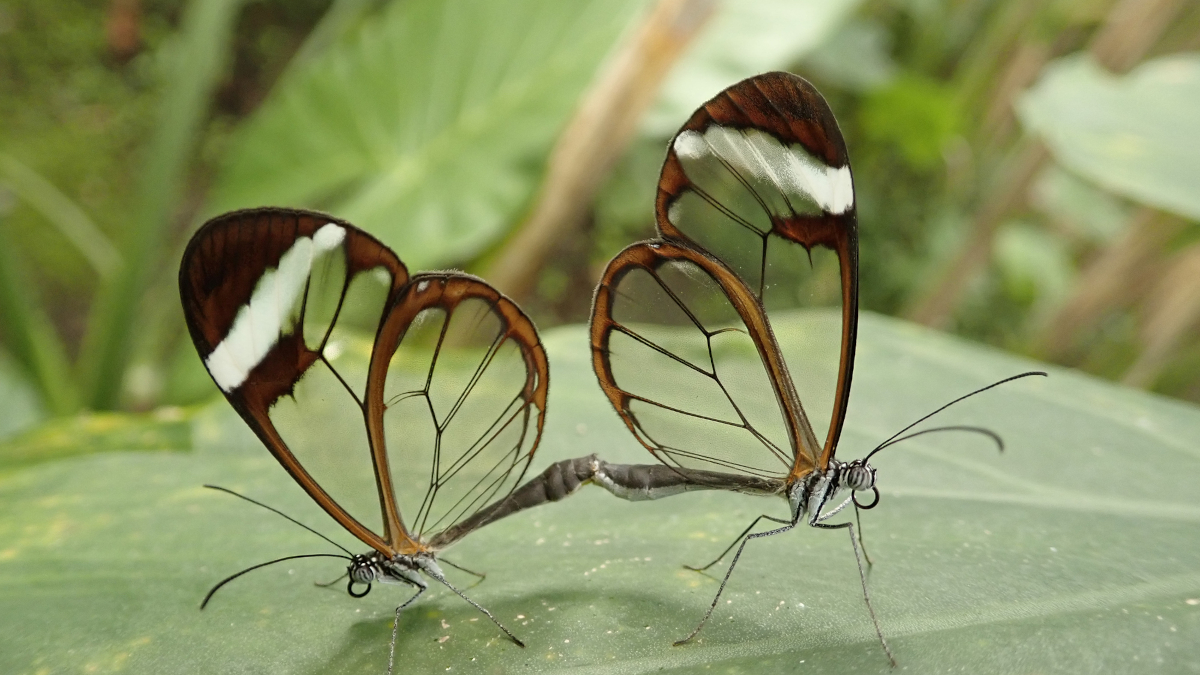
The origin and diversification of sexual reproduction remain fundamental questions in ecology and evolution. From the emergence of meiosis and genetic exchange to the differentiation of gametes such as sperm and egg, the evolution of sex has profoundly shaped the diversity and adaptability of life on Earth. Key areas of interest include transitions from asexual to sexual reproduction, the evolution of mating systems, and the development of anisogamy. Advancing our understanding of these processes is essential for uncovering the mechanisms that generate genetic variation, drive evolutionary innovation, and influence the persistence of populations and species in dynamic environments.
This will be a Collection of original research papers and will be open for submissions from all authors – on the condition that the manuscripts fall within the scope of the Collection and of Scientific Reports more generally. Narrative review articles are also welcomed, to our sister journal Scientific Reviews. We are welcoming submissions until 25th May 2027.
Why is this Collection important?
"Understanding the evolution and ecology of sexual reproduction has been a key question in evolutionary biology for a very long time. Yet it remains a hot topic that is open to new theory and empirical studies. Recent advances in "omics" need to be included and have to potential for fundamentally new insights. This is an exciting topic that will attract many authors and readers from a wide array of biologists."
- Dr. Ingo Schlupp, Guest Editor
Why submit to a collection?
Collections like this one help promote high-quality science. They are led by Guest Editors, who are experts in their fields, and In-House Editors and are supported by a dedicated team of Commissioning Editors and Managing Editors at Springer Nature. Collection manuscripts typically see higher citations, downloads, and Altmetric scores and provide a one-stop-shop on a cutting-edge topic of interest.
Who is involved?
Guest Editors:
- Jerome Andonissamy, Central Institute for Research on Buffaloes, India
- Ingo Schlupp, University of Oklahoma, USA
Internal Team:
- In-House Editor: Alakananda B, Scientific Reports, India
- Commissioning Editor: Laura Gallon, Fully OA Brands, Springer Nature, UK
- Managing Editor: Sarah Jane Hunt, Fully OA Brands, Springer Nature, UK
How can I submit my paper?
Visit the Collection page for more information on the Collection, and how to submit your article.
Follow the Topic
-
Scientific Reports
An open access journal publishing original research from across all areas of the natural sciences, psychology, medicine and engineering.

Related Collections
With Collections, you can get published faster and increase your visibility.
Cancer Prevention and Control
Publishing Model: Hybrid
Deadline: Feb 19, 2027
Healthy Aging
Publishing Model: Open Access
Deadline: Dec 31, 2026