Call for papers: Expanding the landscape of post-translational modifications
Published in Cell & Molecular Biology
What is this collection about?
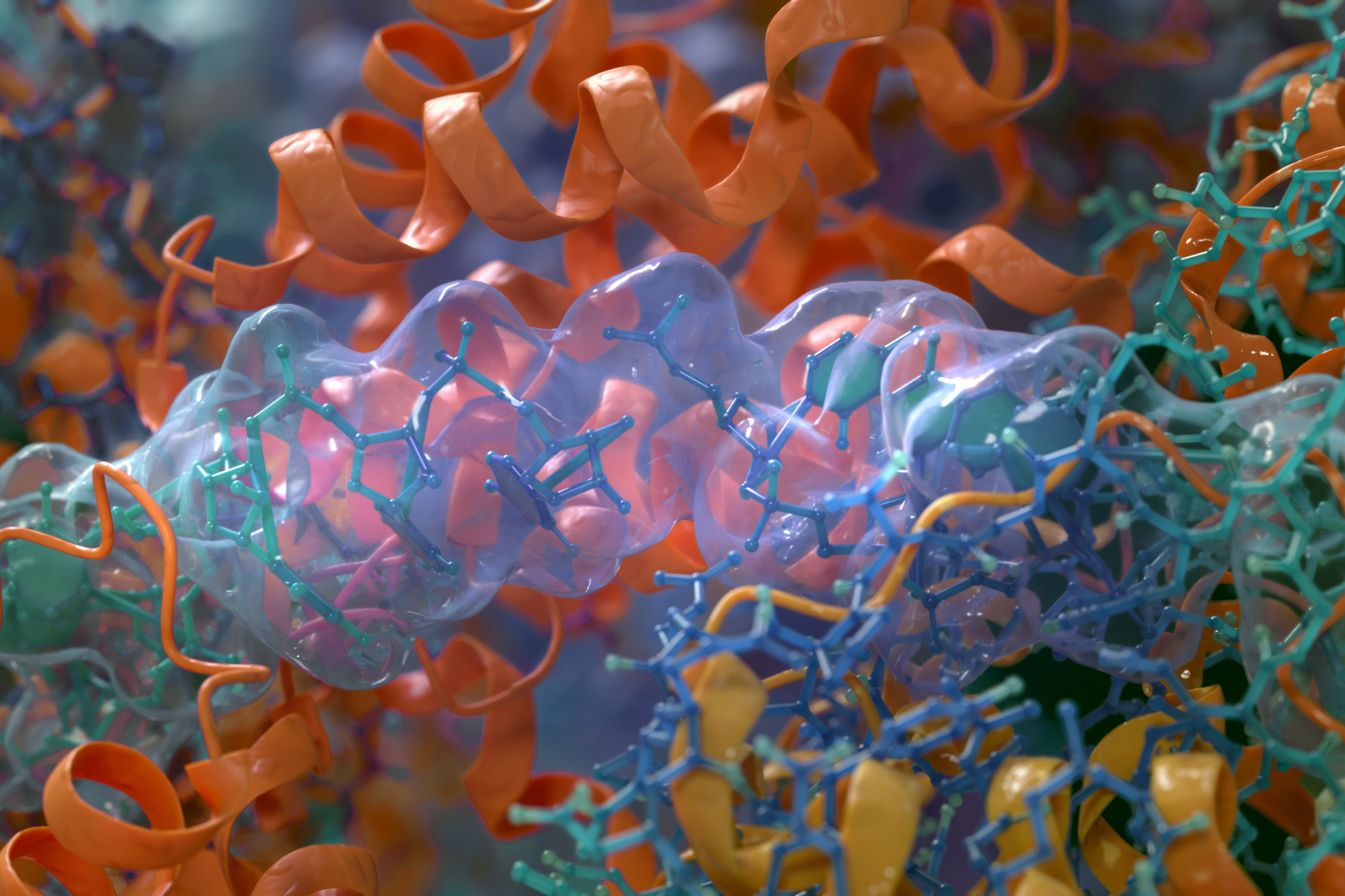
Post-translational modifications (PTMs) are enzymatic, covalent chemical modifications that dynamically regulate protein function and cellular signalling by increasing the functional diversity of the proteome. These modifications influence almost all aspects of normal cell biology and pathogenesis. While PTMs such as phosphorylation and ubiquitylation have been extensively characterised, advances in mass spectrometry and chemical biology are expanding our understanding of previously under-explored PTMs and reshaping views of proteome complexity across biology and disease.
This Collection invites submissions that showcase advances in the discovery, characterisation, mechanistic roles, and functional consequences of emerging PTMs, particularly those that extend beyond classical phosphorylation and ubiquitylation paradigms.
Why is this collection important?
Recent technological progress is revealing new layers of complexity in protein regulation through an expanding array of post-translational modifications. By bringing together research on emerging PTMs, this Collection aims to highlight transformative insights into how proteins are regulated in health and disease. This topic bridges multiple disciplines, including chemical biology, proteomics, and molecular biology, and offers the potential to uncover new regulatory principles and therapeutic opportunities.
Why submit to a collection?
Collections like this one help promote high-quality science. They are led by Guest Editors and In-House Editors who are experts in their fields and supported by a dedicated team of Commissioning Editors and Managing Editors at Springer Nature. Collection manuscripts typically see higher citations, downloads, and Altmetric scores, and provide a one-stop-shop on a cutting-edge topic of interest.
Who is involved?
Nature Communications is edited by in-house professional editors.
Nature Chemical Biology is edited by in-house professional editors.
Communications Chemistry is edited by both in-house professional editors and Editorial Board Members.
Scientific Reports is managed by in-house professional editors and edited by Editorial Board Members.
Our editors work closely together to ensure the quality of our published papers and consistency in author experience.
How can I submit my paper?
Visit the Collection page to find out more about this collection and submit your article.

Follow the Topic
-
Nature Communications
An open access, multidisciplinary journal dedicated to publishing high-quality research in all areas of the biological, health, physical, chemical and Earth sciences.
-
Scientific Reports
An open access journal publishing original research from across all areas of the natural sciences, psychology, medicine and engineering.
-
Communications Chemistry
An open access journal from Nature Portfolio publishing high-quality research, reviews and commentary in all areas of the chemical sciences.
-
Nature Chemical Biology
An international monthly journal that provides a high-visibility forum for the chemical biology community, combining the scientific ideas and approaches of chemistry, biology and allied disciplines to understand and manipulate biological systems with molecular precision.

Related Collections
With Collections, you can get published faster and increase your visibility.
Phytochemicals and health
Publishing Model: Open Access
Deadline: Oct 28, 2026
Women's Health
Publishing Model: Hybrid
Deadline: Ongoing