Call for papers: Human accelerated sinkholes and risk monitoring Collection
Published in Earth & Environment


Collection Overview
Scientific Reports has launched a Guest-Edited Collection on Human accelerated sinkholes and risk monitoring.
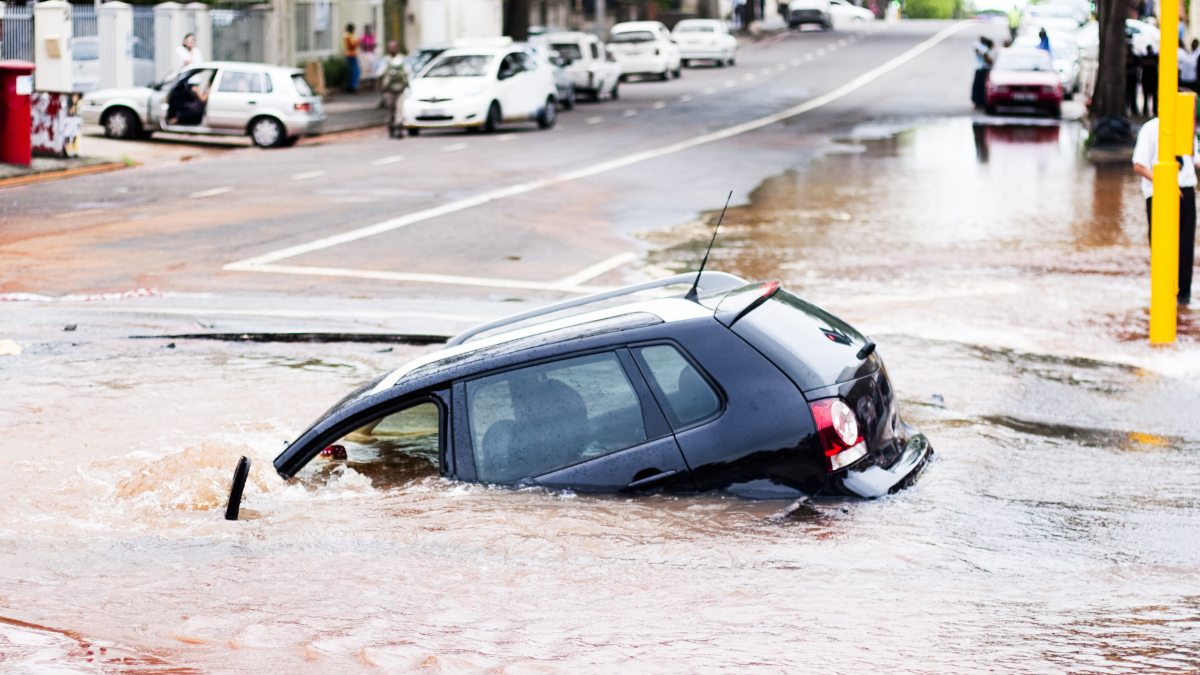
Sinkholes, or dolines, are naturally occurring depressions or holes in the surface of karst landscapes, caused by the collapse of the underlying bedrock. However, anthropogenic activities such as groundwater extraction, mining, and urban development, can destabilize subsurface structures, triggering sudden collapse. Human accelerated sinkholes have become major hazards, especially in urban areas. Risk monitoring is therefore essential, combining geotechnical surveys, remote sensing, and hydrological modelling to detect early signs of subsidence. These approaches are vital for hazard mitigation and protecting infrastructure and communities.
This will be a Collection of original research papers and will be open for submissions from all authors – on the condition that the manuscripts fall within the scope of the Collection and of Scientific Reports more generally. Narrative review articles are also welcomed, to our sister journal Scientific Reviews. We are welcoming submissions until 2nd December 2026.
Why is this Collection important?
"Since global warming is increasing the stress on groundwater systems, an increasing number of dangerous sinkholes are forming in various climatic regions, making a proper monitoring of this geohazard essential. This Collection will assemble the most advanced and most important studies of sinkhole risk monitoring, thereby contributing beyond the common scientific community in this field. Researchers should submit to this Collection particularly because of the high visibility, impact and importance."
- Dr. Djamil Al-Halbouni, Guest Editor
Why submit to a collection?
Collections like this one help promote high-quality science. They are led by Guest Editors, who are experts in their fields, and In-House Editors and are supported by a dedicated team of Commissioning Editors and Managing Editors at Springer Nature. Collection manuscripts typically see higher citations, downloads, and Altmetric scores and provide a one-stop-shop on a cutting-edge topic of interest.
Who is involved?
Guest Editors:
- Djamil Al-Halbouni, University of Leipzig, Germany
- Piernicola Lollino, University of Bari Aldo Moro, Italy
- Boo Hyun Nam, Kyung Hee University, Republic of Korea
Internal Team:
- In-House Editor: Supriya Lokhande, Scientific Reports, UK
- Commissioning Editor: Laura Gallon, Fully OA Brands, Springer Nature, UK
- Managing Editor: Aliya Anwar, Fully OA Brands, Springer Nature, UK
How can I submit my paper?
Visit the Collection page for more information on the Collection, and how to submit your article.
Follow the Topic
-
Scientific Reports
An open access journal publishing original research from across all areas of the natural sciences, psychology, medicine and engineering.
-
A Collection of original research articles in human accelerated sinkholes and risk monitoring, including multidisciplinary and integrative studies.

Related Collections
With Collections, you can get published faster and increase your visibility.
Cancer Prevention and Control
Publishing Model: Hybrid
Deadline: Feb 19, 2027
Healthy Aging
Publishing Model: Open Access
Deadline: Dec 31, 2026