Call for papers: Impacts of Maternal and Early-Life Immunity Across the Life Course
Published in General & Internal Medicine, Immunology, and Public Health
What is this collection about?
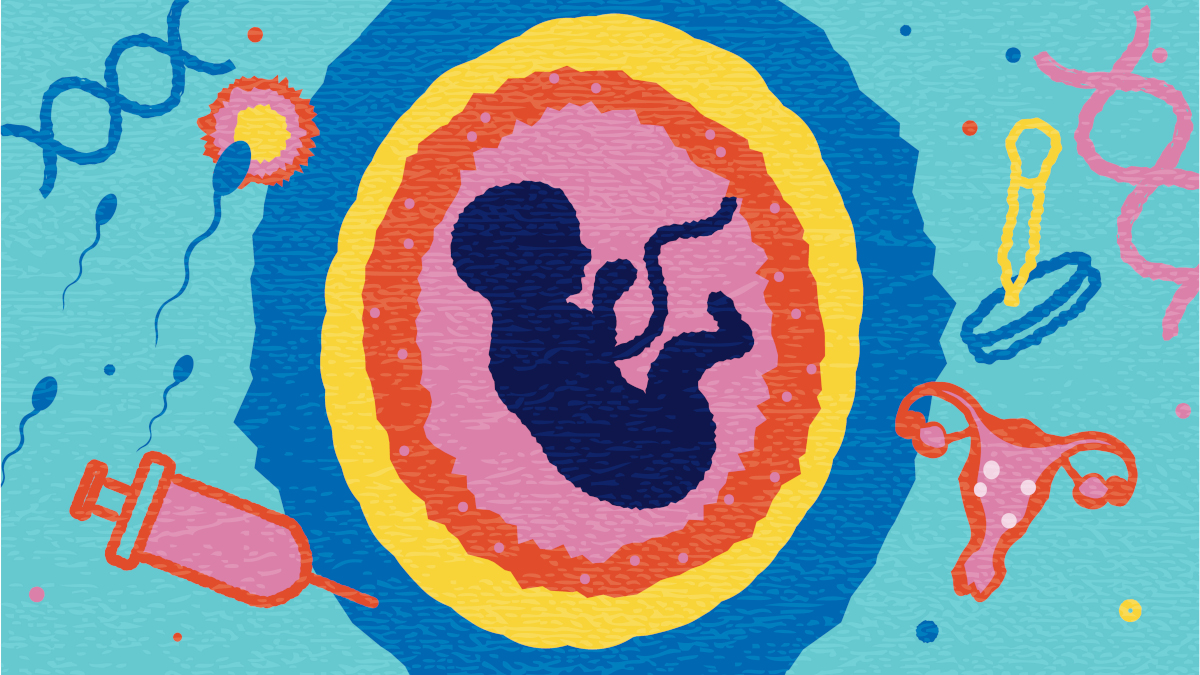
Pregnancy and early life are critical windows during which immune responses shape health across mother and offspring lifespan. Specialised adaptations at the maternal-fetal interface support fetal development while maintaining protection against infection, whereas immune dysregulation can contribute to miscarriage, preterm birth, pre-eclampsia and fetal growth restriction. The newborn immune system must rapidly adapt to a world rich in microbial and environmental exposures, and growing evidence indicates that immune events during pregnancy and early life influence susceptibility not only to infectious diseases, but also to allergic, autoimmune, metabolic and neurodevelopmental disorders later in life. Vulnerability may be compounded by malnutrition, prematurity, low birthweight, growth restriction and broader social determinants of health, highlighting the need to better understand the factors that shape immune development and lifelong health trajectories.
With this Collection, the editors at Communications Medicine invite manuscripts that advance our understanding of how maternal, placental and neonatal immunity influences health across the life course. We welcome translational, clinical and population health research on maternal-fetal immune interactions, placental immunity, congenital and vertically transmitted infections, maternal immunisation, early-life immune development, and the effects of maternal infection, inflammation, stress, nutrition and other gestational exposures on offspring health. Studies examining sex differences in immune responses, developmental programming, disease susceptibility and health equity are also encouraged. We particularly welcome mechanistic studies using experimental and animal models, alongside epidemiological investigations, birth cohorts and clinical trials. Communications Medicine will consider original Articles, Reviews and Perspectives.
Why submit to a collection?
Collections like this one help promote high-quality science. They are led by Guest Editors and In-House Editors who are experts in their fields and supported by a dedicated team of Commissioning Editors and Managing Editors at Springer Nature. Collection manuscripts typically see higher citations, downloads, and Altmetric scores, and provide a one-stop-shop on a cutting-edge topic of interest.
Who is involved?
Communications Medicine is edited by both in-house professional editors and Editorial Board Members.
How can I submit my paper?
Visit the Collection page to find out more about this collection and submit your article.

Follow the Topic
-
Communications Medicine
A selective open access journal from Nature Portfolio publishing high-quality research, reviews and commentary across all clinical, translational, and public health research fields.

Related Collections
With Collections, you can get published faster and increase your visibility.
Diagnosis and Care of Sepsis
Publishing Model: Open Access
Deadline: Oct 27, 2026
Healthy Aging
Publishing Model: Open Access
Deadline: Dec 31, 2026