Call for papers: Muscle hypertrophy Collection
Published in Anatomy & Physiology



Collection Overview
Scientific Reports has launched a Guest-Edited Collection on Muscle hypertrophy.
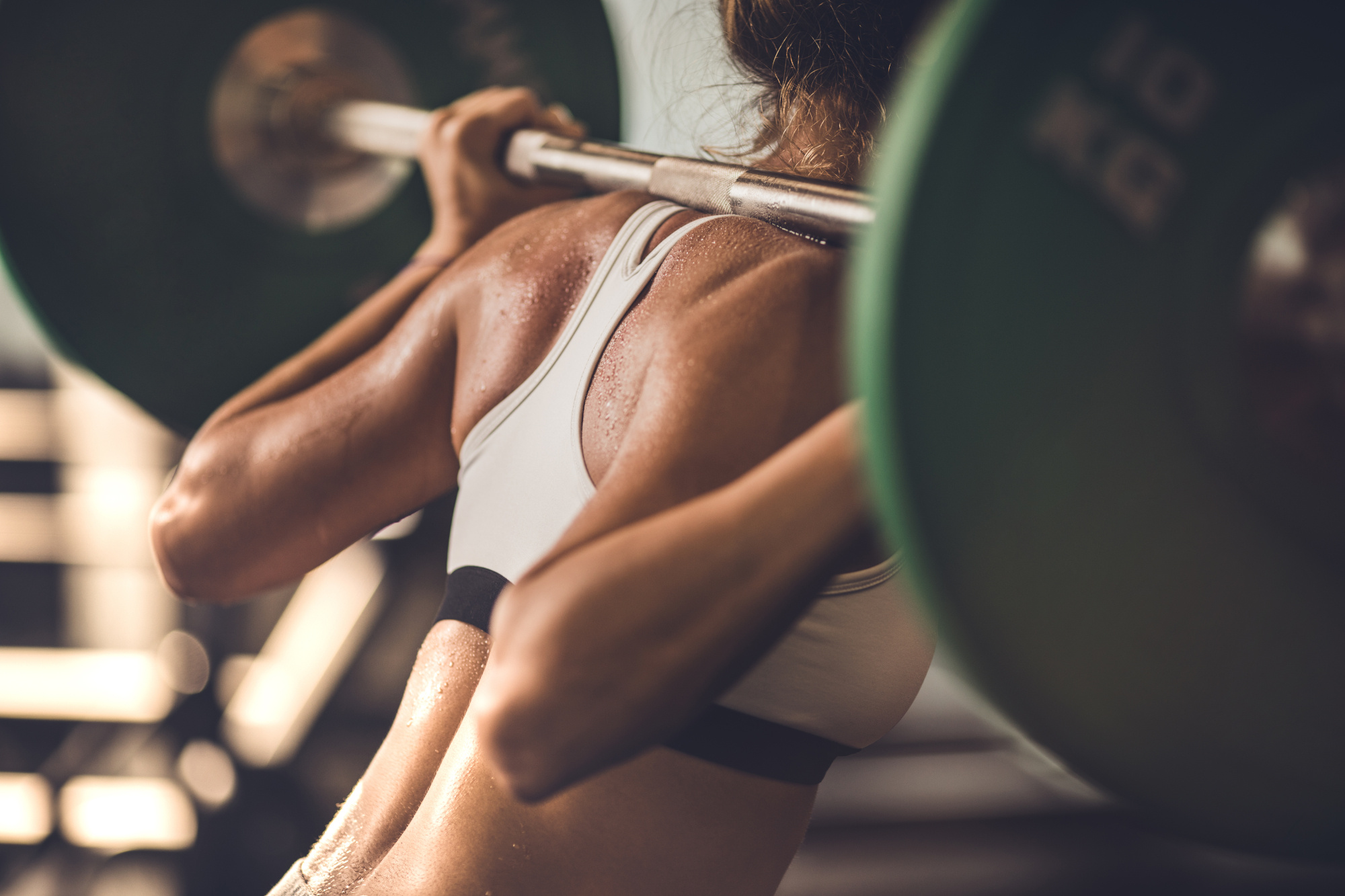
Increasing skeletal muscle mass, or muscle hypertrophy, is a critical aspect of human performance, rehabilitation, and overall health. This biological phenomenon occurs in response to various stimuli such as resistance training, mechanical tension, metabolic stress, and muscle damage.
This will be a Collection of original research papers and will be open for submissions from all authors – on the condition that the manuscripts fall within the scope of the Collection and of Scientific Reports more generally. We are welcoming submissions until 29th May 2026.
Why is this Collection important?
"Muscle hypertrophy is a central adaptation to resistance training and underpins health, performance, and rehabilitation outcomes across populations. Despite extensive research, critical questions remain regarding individual variability, dose–response relationships, molecular mechanisms, and methodological standards. This Collection aims to bring together high-quality, cutting-edge work that advances mechanistic understanding, improves research rigor, and integrates basic, applied, and clinical perspectives. I am excited about its potential to clarify unresolved issues, stimulate collaboration, and shape future directions in the field. Researchers should submit to this Collection to maximize visibility and contribute to a focused, high-impact forum on muscle hypertrophy science."
- Dr. Cleiton Augusto Libardi, Guest Editor
Why submit to a collection?
Collections like this one help promote high-quality science. They are led by Guest Editors, who are experts in their fields, and In-House Editors and are supported by a dedicated team of Commissioning Editors and Managing Editors at Springer Nature. Collection manuscripts typically see higher citations, downloads, and Altmetric scores and provide a one-stop-shop on a cutting-edge topic of interest.
Who is involved?
Guest Editors:
- Daniel Hammarström, University of Inland, Norway
- Cleiton Libardi, Federal University of São Carlos, Brazil
- Christopher Brooks Mobley, Auburn University, Alabama, USA
- Ferdinand von Walden, Karolinska Institutet, Stockholm, Sweden
Internal Team:
- In-House Editor: Shelby Bollen, Scientific Reports, UK
- Commissioning Editor: Sophie Gray, Fully OA Brands, Springer Nature, UK
- Managing Editor: Libby Symons, Fully OA Brands, Springer Nature, UK
How can I submit my paper?
Visit the Collection page for more information on the Collection, and how to submit your article.

I am a Commissioning Editor in the Fully OA Brands team at Springer Nature, working on themed Collections in Scientific Data and Scientific Reports. I previously worked as a Publishing Assistant for BMC and hold a bachelor's degree in Biochemistry from Newcastle University.
Follow the Topic
-
Scientific Reports
An open access journal publishing original research from across all areas of the natural sciences, psychology, medicine and engineering.
-
A Collection of original research articles that increase our understanding of the process of muscle hypertrophy.

Related Collections
With Collections, you can get published faster and increase your visibility.
Cancer Prevention and Control
Publishing Model: Hybrid
Deadline: Feb 19, 2027
Healthy Aging
Publishing Model: Open Access
Deadline: Dec 31, 2026