Call for papers: Tumour Cell Plasticity & Non Genetic Heterogeneity
Published in Cancer

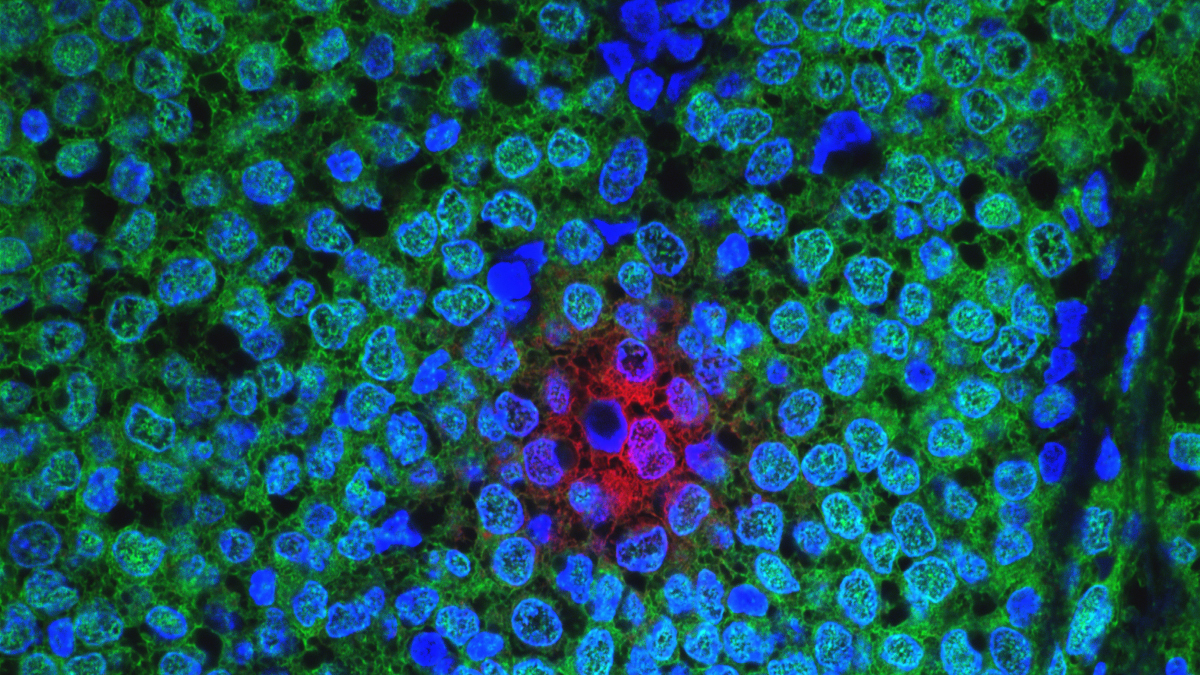
What is this collection about?
Tumour cells often display diverse behaviours and cellular states without the involvement of genetic mutations, posing significant challenges for effective therapeutic intervention.
With this collection, we invite studies that elucidate the mechanisms underlying these phenomena, advancing our understanding of cellular dynamics within tumours. Recent advancements have revealed the diverse cellular states that tumours adopt in response to microenvironmental signals. For example, insights into phenotypic plasticity have shown how tumour cells can transition between differentiated and stem-like states, enabling them to survive under adverse conditions and develop therapy resistance. These studies underscore the need to comprehend not just the genetic landscape of tumours but also the intricate interplay of behaviours influenced by non-genetic factors. Key developments, including advanced imaging techniques and single-cell approaches contribute to the advances in this challenging field.
Topics of interest include but are not limited to:
· Tumour microenvironment interactions
· Non-genetic influences on cell behaviour
· Phenotypic variation and adaptation
· Intercellular communication in tumours
· Dynamics of non-genetic heterogeneity
· Cell fate decisions in tumour progression
We will mainly consider original research Articles, but Reviews, Mini-Reviews and Perspectives are also welcome.
Why submit to a collection?
Collections like this one help promote high-quality science. They are led by In-House Editors who are experts in their fields and supported by a dedicated team of Commissioning Editors and Managing Editors at Springer Nature. Collection manuscripts typically see higher citations, downloads, and Altmetric scores, and provide a one-stop-shop on a cutting-edge topic of interest.
This Collection welcomes submissions from all authors – and not by invitation only – on the condition that the manuscripts fall within the scope of the Collection and of Communications Biology more generally. See our editorial process page for more details. All manuscripts published in the collection are hosted on a dedicated nature portfolio portal, giving articles high visibility beyond the journal they are published in.
Who is involved?
Communications Biology is edited by both in-house professional editors and Editorial Board Members.
Our editors work closely together to ensure the quality of our published papers and consistency in author experience.
How can I submit my paper?
Visit the Collection page to find out more about this collection and submit your article.
Follow the Topic
-
Communications Biology
An open access journal from Nature Portfolio publishing high-quality research, reviews and commentary in all areas of the biological sciences, representing significant advances and bringing new biological insight to a specialized area of research.

Related Collections
With Collections, you can get published faster and increase your visibility.
Healthy Aging
Publishing Model: Open Access
Deadline: Dec 31, 2026
DNA repair and human disease
Publishing Model: Hybrid
Deadline: Oct 31, 2026