Can Leisure-Time Physical Activity Help Offset Genetic Risk?
Published in Healthcare & Nursing, General & Internal Medicine, and Public Health


Cardiovascular diseases continue to be a major global health concern, accounting for a substantial burden of illness and mortality across countries and populations. While the importance of physical activity for cardiovascular health is well established, researchers are increasingly interested in understanding how lifestyle factors interact with genetic variation to influence disease risk.
A recent study published in Nutrire contributes to this discussion by examining the relationship between leisure-time physical activity and cardiovascular risk in individuals carrying specific variants of the APOB and NOS3 genes. Both genes have been widely studied because of their involvement in biological pathways related to lipid metabolism and vascular function, two key components of cardiovascular health.
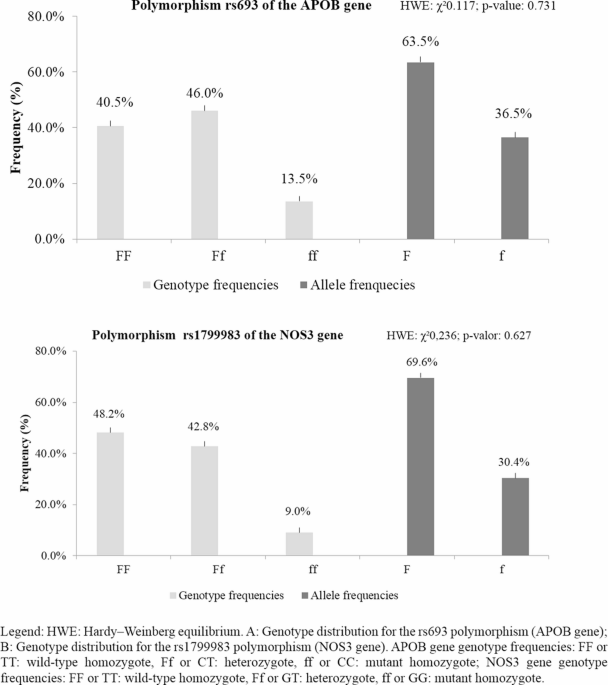
Using a cross-sectional design, the authors explored whether the association between physical activity and cardiovascular risk differed according to genetic background. Their findings suggest that leisure-time physical activity was associated with a lower cardiovascular risk among carriers of the rs693 variant in the APOB gene and the rs1799983 variant in the NOS3 gene.
Genes x lifestyle
The study is particularly interesting because it moves beyond the often simplified debate of “genes versus lifestyle.” Instead, it highlights the possibility that health outcomes may emerge from the interaction between biological predisposition and everyday behaviors. This perspective is becoming increasingly relevant as researchers seek more nuanced approaches to disease prevention and health promotion.
The findings should be interpreted within the context of the study design, which does not allow conclusions about cause and effect. Even so, the work adds valuable evidence to the broader literature showing that regular physical activity remains an important component of cardiovascular health and may be beneficial across different genetic profiles.
For researchers working in nutrition, public health, exercise science, genetics, and preventive medicine, this article offers an opportunity to reflect on how lifestyle interventions and genetic factors can be considered together. As interest in personalized approaches to health continues to grow, studies such as this help build a more detailed understanding of the many influences that contribute to cardiovascular risk.
Author's note: I used Microsoft Copilot to assist in creating this post.
Image: Jonathan Billinger/Wikimedia Commons

Follow the Topic
-
Nutrire
Nutrire publishes rigorous, impactful research that advances human nutrition and food science from molecule to population - translating discovery into clinical practice and public‑health action.

Related Collections
With Collections, you can get published faster and increase your visibility.
Nutrition and Menopause: Strategies for Women’s Health and Well-being in Midlife and Beyond
Scope and objectives
Menopause represents a pivotal stage in women’s lives, characterized by profound hormonal changes that influence metabolism, body composition, bone density, cardiovascular health, and psychological well-being. These physiological transitions often coincide with lifestyle shifts and increased vulnerability to chronic conditions such as osteoporosis, cardiovascular disease, and metabolic syndrome. Nutrition emerges as a cornerstone for mitigating these risks and enhancing quality of life during midlife and beyond.
This Topical Collection aims to provide a comprehensive platform for cutting-edge research and evidence-based strategies that address the intersection of nutrition and menopause. By consolidating knowledge from clinical trials, observational studies, systematic reviews, and innovative interventions, we seek to advance understanding of how dietary patterns, nutrient intake, and lifestyle factors can optimize health outcomes for women during the menopausal transition and postmenopause.
Key objectives include (but are not limited to):
- Exploring Mechanisms: Understanding how hormonal changes interact with nutritional status, metabolism, and gut microbiome composition.
- Evaluating Interventions: Assessing the efficacy of dietary strategies (e.g., Mediterranean diet, plant-based diets, phytoestrogen-rich foods) in alleviating vasomotor symptoms, improving bone health, and reducing cardiometabolic risk.
- Promoting Healthy Aging: Identifying nutritional approaches that support cognitive function, mental health, and physical vitality in midlife women.
- Personalized Nutrition: Investigating nutrigenomics, digital health tools, and tailored dietary plans for individualized care.
- Global and Cultural Perspectives: Examining how cultural dietary practices and socioeconomic factors influence menopause-related health outcomes.
This Topical Collection will serve as a resource for clinicians, dietitians, researchers, and policymakers committed to improving women’s health through nutrition science.
How to submit
Please do not forget to select the collection during the submission process and also to mention the collection in your cover letter.
Publishing model
Nutrire is a hybrid journal: you can publish either in the traditional model (no fees to authors) or open access (an APC applies). More information here.
Publishing Model: Hybrid
Deadline: Ongoing