Can one target do both?
Published in Cancer, Genetics & Genomics, and General & Internal Medicine

For decades, diagnosis and therapy have followed separate paths.
A patient first undergoes imaging to identify the disease. Only afterwards does treatment begin. Different drugs, different technologies, and often different specialists are involved.
Yet nuclear medicine has always hinted at a different possibility.
What if the same molecular target could first reveal a tumour—and then become the target for treating it?
That simple idea is known as theranostics.
For years, I regarded theranostics as a collection of remarkable success stories. Radioiodine for thyroid cancer. Somatostatin receptor imaging and therapy for neuroendocrine tumours. PSMA for prostate cancer.
Each was impressive.
But each also seemed like an exception.
Then one question occurred to us.
What if they weren't exceptions at all?
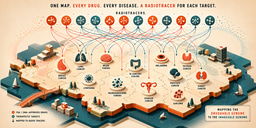
What if theranostics was not a handful of successful radiopharmaceuticals, but an entire biological landscape waiting to be mapped?
That question completely changed our approach.
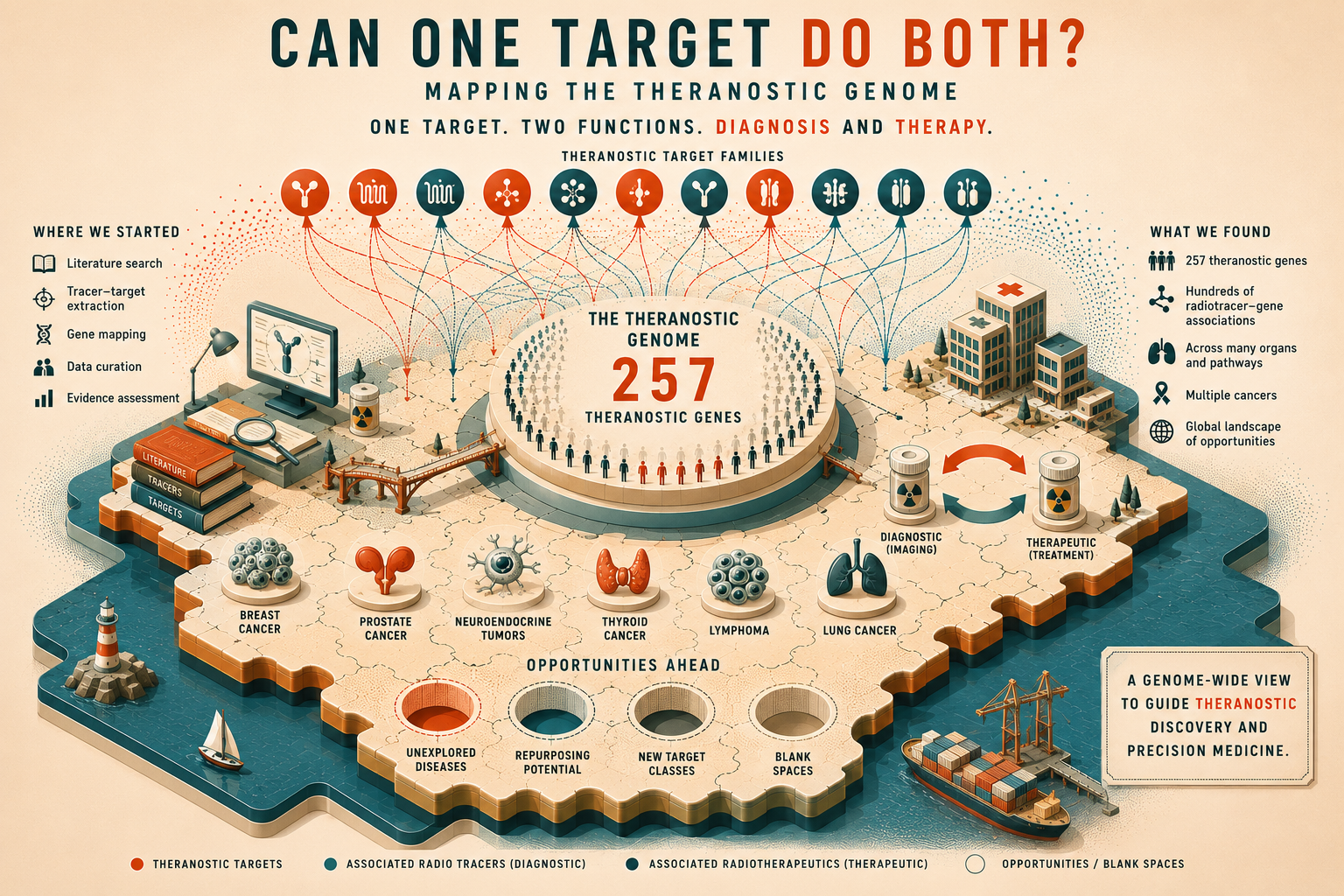
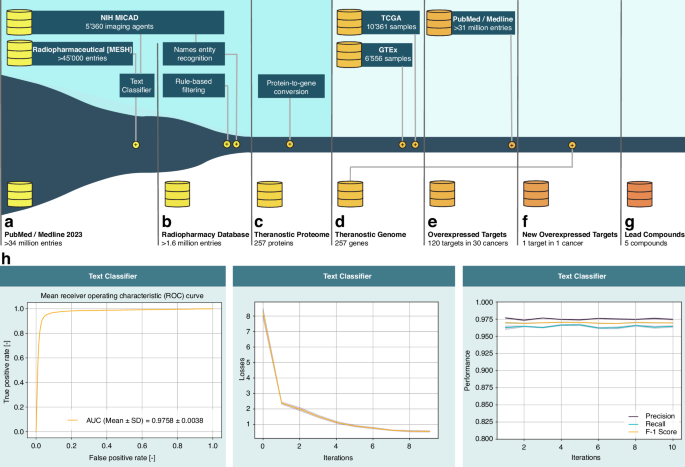
Instead of studying individual theranostic agents, we started collecting every molecular target for which both an imaging and a therapeutic radiopharmaceutical had been described.
One publication became ten.
Ten became hundreds.
Eventually we realized we were no longer studying individual theranostic compounds.
We were studying the Theranostic Genome.
For the first time, we could look across all known theranostic targets simultaneously.
Where are they located in the genome?
Which protein families dominate?
Which cancers overexpress them?
Which diseases have already embraced theranostics—and which have hardly been explored?
The picture that emerged was far richer than we had expected.
Rather than isolated discoveries, theranostic targets formed a coherent landscape spanning receptor families, transporters, enzymes and other classes of proteins across many different diseases.
Once that landscape had been mapped, entirely new questions became possible.
Could existing radiopharmaceuticals be repurposed for other cancers?
Which tumour types express established theranostic targets but have never been investigated?
Where are the opportunities for the next generation of theranostic agents?
Publishing the Theranostic Genome didn't feel like reaching the end of a project.
It felt like having a map for the first time.
For the first time, we could see the field as a whole—which molecular targets were already established, which diseases had embraced theranostics, and where the biggest opportunities still lay.
Just as importantly, we could also see the blank spaces.
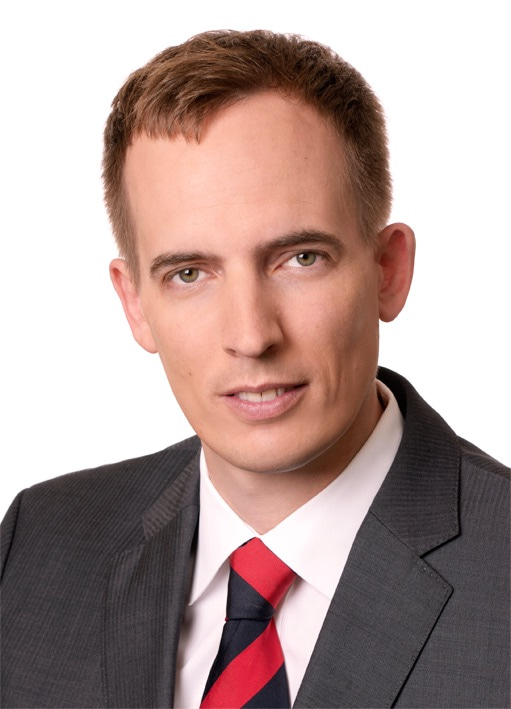
I am a physician-scientist and Professor of Nuclear Medicine at the University of Lucerne, Switzerland, with a clinical and research focus on molecular imaging, precision oncology, and translational medicine. My work explores how medical imaging can reveal disease biology, guide targeted therapies, and accelerate drug development.
My research combines clinical imaging, genomics, systems biology, and data science to understand which molecular targets can be visualized in vivo and how imaging can serve as a companion diagnostic beyond radiopharmaceutical therapies. This work has led to the concepts of the Imageable Genome, the Theranostic Genome, and more recently the repurposing of molecular imaging to map drug targets in vivo.
I am also co-founder of Coral Analytics, where we are developing ex vivo molecular imaging technologies to help personalize cancer treatment. I enjoy collaborating across medicine, biology, engineering, and artificial intelligence to translate innovative ideas into tools that improve patient care.
I look forward to sharing our research, discussing new ideas, and connecting with scientists interested in molecular imaging, precision medicine, cancer biology, and translational research.
Follow the Topic
-
Nature Communications
An open access, multidisciplinary journal dedicated to publishing high-quality research in all areas of the biological, health, physical, chemical and Earth sciences.

Related Collections
With Collections, you can get published faster and increase your visibility.
Women's Health
Publishing Model: Hybrid
Deadline: Ongoing
Tumor Microenvironment Crosstalk and Therapeutic Implications
Publishing Model: Hybrid
Deadline: Nov 02, 2026
Please sign in or register for FREE
If you are a registered user on Research Communities by Springer Nature, please sign in