Can Water Sports Improve Heart Health?
Published in Healthcare & Nursing, Social Sciences, and General & Internal Medicine



Cardiovascular diseases (CVDs) remain one of the world’s leading causes of death — not only impacting personal health, but also burdening families, healthcare systems, and entire economies. Over the past few decades, the scientific community has made it clear that lifestyle changes are among the most powerful tools for preventing heart disease. Among these, physical activity — especially regular aerobic exercise — has stood out as a key factor in improving cardiovascular health.
But what about water-based activities like swimming, rowing, kayaking, or water walking? Can these enjoyable and accessible forms of exercise really help reduce the risk of heart disease?
That was the question at the heart of our study.
Our team noticed that while many individual studies had investigated the effects of aquatic exercises on heart health, there was no comprehensive review summarizing the broader picture. We wanted to change that — to bring together the latest research and explore what the current evidence says about water sports and cardiovascular risk.
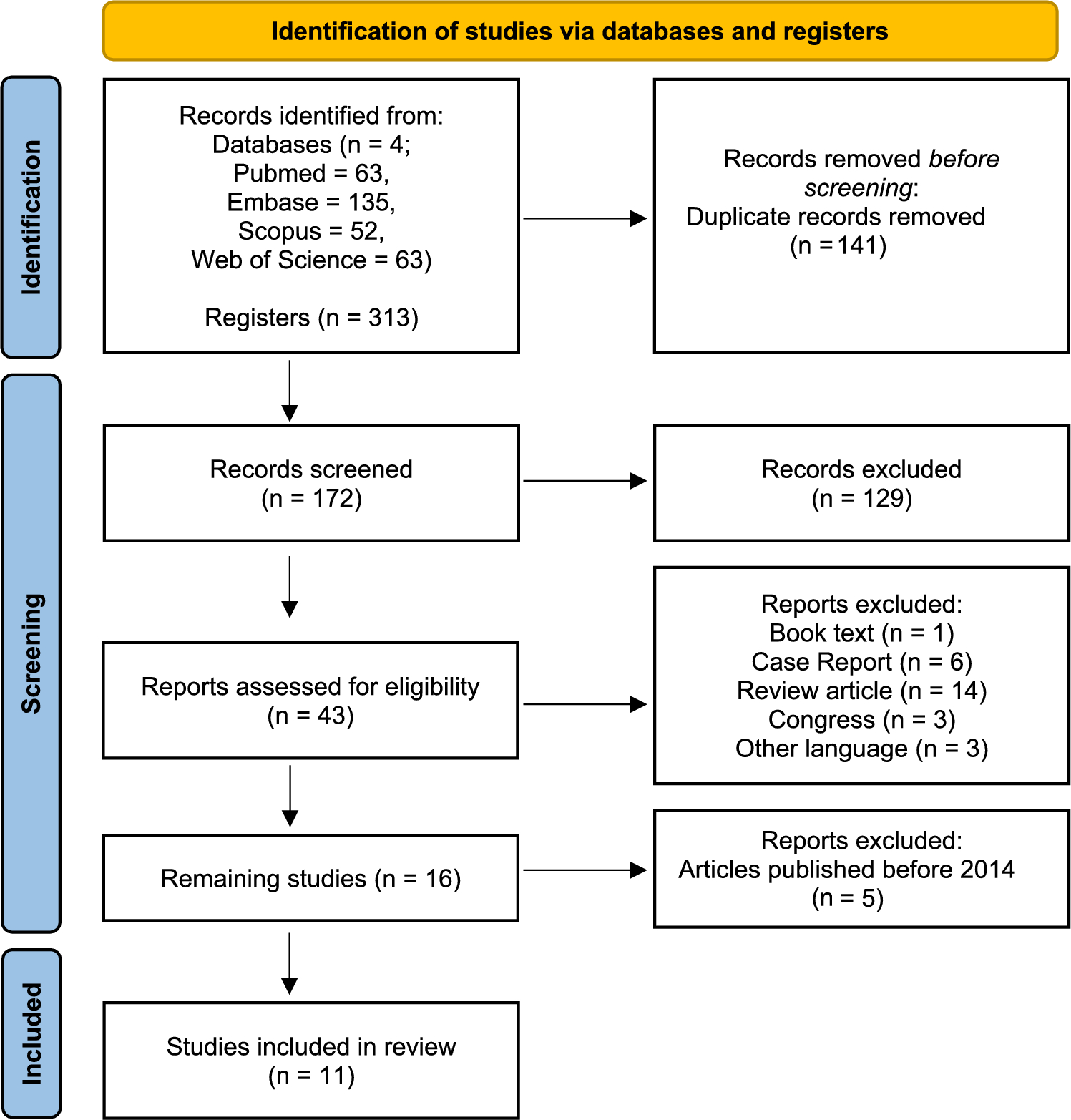
To do this, we conducted a systematic review of scientific articles published up to April 5, 2024. We searched several major databases — including PubMed, Scopus, Embase, and Web of Science — using terms like cardiovascular risk factors, heart disease, swimming, and water sports. After screening hundreds of articles for quality and relevance, we selected 11 high-quality studies that specifically examined the relationship between water-based physical activity and cardiovascular health.
The results were fascinating.
Aquatic exercises were shown to positively influence several key cardiovascular risk factors. For instance:
-
A 14-day aquatic exercise program led to improved heart rate variability in individuals with coronary artery disease.
-
Swimming was associated with better body composition, improved cardiorespiratory fitness, reduced blood pressure, and healthier levels of hormones like leptin and adiponectin.
-
Interestingly, cold-water swimming, which has gained popularity in recent years, was linked to improved lipid profiles — especially among women.
-
However, not all forms of water activity had the same effects. For example, water walking did not significantly improve flow-mediated dilation, a marker of vascular health.
What we took away from these findings is that aquatic exercise has real potential as a heart-friendly form of movement — but its benefits can vary depending on the type of activity, intensity, and duration.
Another important insight from our work is just how understudied this area still is. Despite its relevance and accessibility, water-based exercise hasn’t received as much attention as land-based training in cardiovascular research. More rigorous and long-term studies are needed to understand the full scope and mechanisms through which water sports affect the heart and vascular system.
This project was both challenging and rewarding. It gave us the opportunity to explore the intersection of exercise science, cardiology, and public health, and reaffirmed the idea that diverse forms of movement — including fun, water-based ones — deserve a bigger place in the conversation about disease prevention.
Whether you’re a swimmer, a rower, or someone simply looking for a joint-friendly way to stay active, the message is clear: your heart may thank you for taking the plunge.
Follow the Topic
-
Sport Sciences for Health
The journal Sport Sciences for Health publishes reports of experimental and clinical research on the physiology and pathophysiology of physical exercise.

Related Collections
With Collections, you can get published faster and increase your visibility.
Monitoring Human Performance, Fatigue and Recovery: From Wearables to Artificial Intelligence
Recent advances in wearable technologies, digital health solutions, biomechanical monitoring systems, and artificial intelligence (AI) have transformed the way human performance, fatigue, and recovery are assessed across sport, exercise, and health settings. The increasing availability of real-time physiological, biomechanical, behavioral, and environmental data has created unprecedented opportunities to better understand human responses to training, competition, physical activity, rehabilitation, and daily life demands.
Despite these technological developments, significant challenges remain regarding data integration, interpretation, validity, reliability, and practical application. Researchers and practitioners are increasingly seeking evidence-based approaches that combine traditional monitoring methods with emerging technologies, including wearable sensors, machine learning algorithms, predictive analytics, digital biomarkers, and AI-driven decision-support systems.
This collection aims to bring together high-quality research that advances the monitoring and understanding of human performance, fatigue, recovery, and adaptation in sport, exercise, and health contexts. We welcome original research articles, systematic reviews, meta-analyses, methodological papers, and applied studies that explore innovative monitoring approaches and their practical implications.
Potential topics include, but are not limited to:
- Wearable technologies for monitoring physiological and biomechanical variables;
- Fatigue assessment and management in sport and exercise;
- Recovery monitoring and optimization strategies;
- Artificial intelligence and machine learning applications in performance analysis;
- Digital biomarkers and health monitoring systems;
- Training load monitoring and athlete management;
- Remote monitoring and telehealth approaches;
- Validation and reliability of monitoring technologies;
- Data integration from multiple monitoring systems;
- Human performance analytics in clinical, occupational, and sporting populations;
By bridging sport science, exercise physiology, biomechanics, health sciences, and data science, this collection seeks to provide new insights into how technology-driven monitoring can support performance enhancement, health promotion, injury prevention, recovery optimization, and evidence-based decision-making.
Publishing Model: Hybrid
Deadline: Mar 31, 2027


