Dam thoughts
Published in Ecology & Evolution, Neuroscience, and General & Internal Medicine




“In the Byzantine period, castoreum, the oily secretion from the castor sacs of beavers, was used to treat epilepsy,” I say, as twelve people lean in. Somehow, I have become the local beaver expert.
Six months earlier, I had no idea this would be my role. I was sitting quietly at a board meeting of the Mount Pinnacle Land Trust. When the topic of misunderstood beavers came up, I volunteered to lead an educational activity.
I began to study them. I sat in the muck for hours after work. I watched beavers patch their lodge, tend to kits, and cache branches for winter. Soon enough, I saw the changes. New ponds forming, wetlands expanding, other animals moving in. Their dams reshaped the landscape into a lush, green expanse. And their presence was visible kilometers downstream.
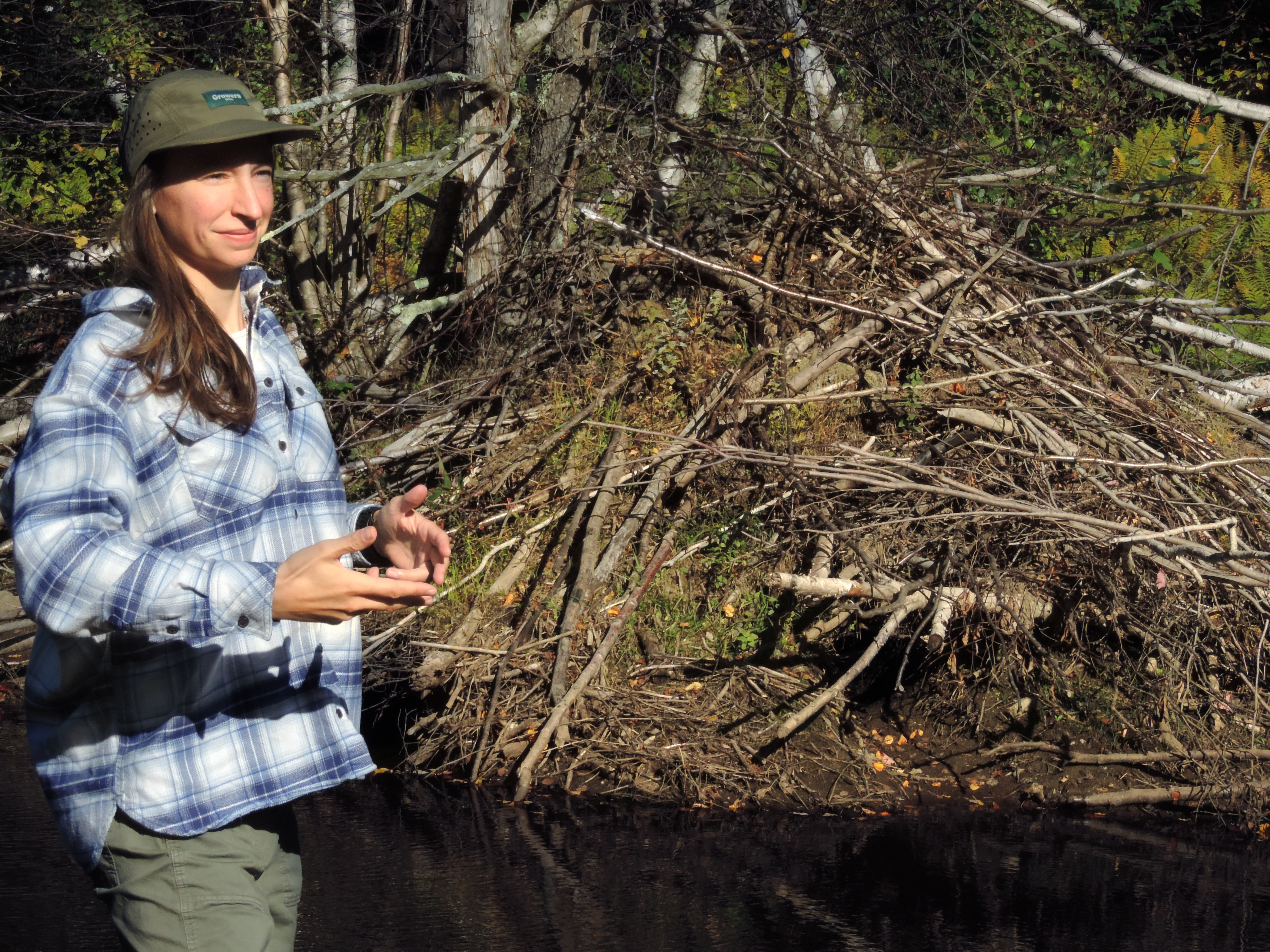
All of it was the hallmark of a keystone species: a few rodents exerting a disproportionate influence on the ecosystems within which they live. This idea felt familiar. As a neuroscientist, I have studied brain regions that behave like beavers. The hippocampus, for example, accounts for less than 1% of total brain volume, yet it is deeply connected to many downstream areas.
But that central role makes it vulnerable. In epilepsy, the hippocampus often triggers seizures. Its damage extends beyond nearby areas, and like the echoes of a beaver dam, the disruption ripples through distant regions of the brain. Realizing this changed how I viewed epilepsy—not as a disorder of a single brain region, but as one of networks.
While castoreum is no longer a remedy, beavers still guide how I think about epilepsy. Maybe these dam thoughts will one day help me find better treatments. So I keep sitting in the muck, watching them work.