Deciphering the Journey Behind My Research: The Role of Athletic Mental Energy in Athletes' Well-being
Published in Social Sciences
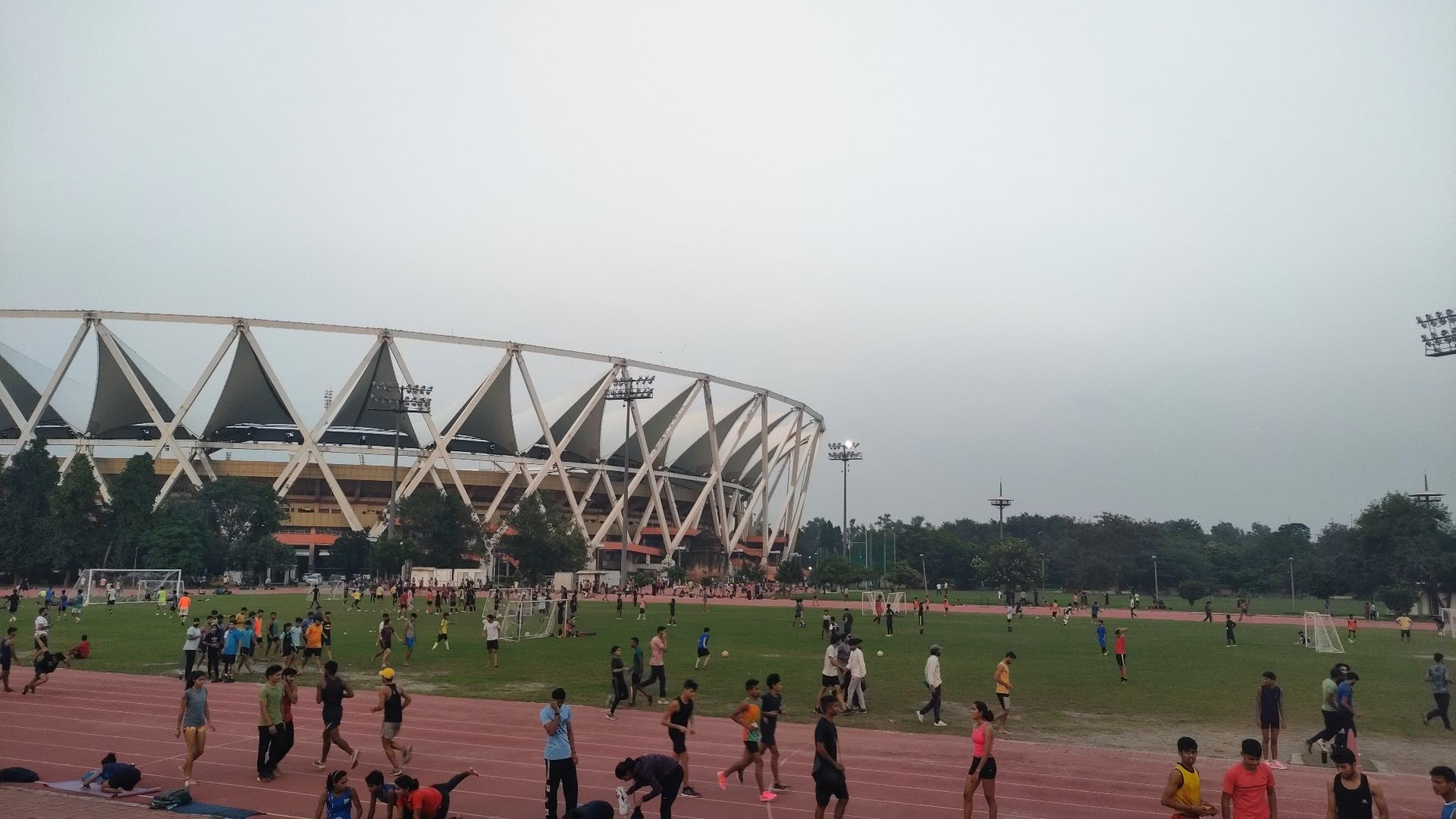

The summer of 2022 marked a defining chapter in my doctoral journey. Immersed in the study of sports psychology, I found myself increasingly drawn to a question that extended beyond athletic success: What enables athletes not only to perform at their best but also to maintain their psychological well-being in highly demanding competitive environments?
Observing the immense sacrifices athletes make in pursuit of excellence inspired me to investigate the psychological resources that sustain both performance and well-being. What began as a research question soon evolved into a rigorous scientific endeavor, one that demanded persistence, critical thinking, and a genuine curiosity about the human side of athletic achievement.
The Genesis of the Research
During my PhD, I became fascinated by the concept of Athletic Mental Energy (AME), an emerging construct in sport psychology that captures the cognitive and emotional resources athletes draw upon to meet competitive demands. While considerable attention has traditionally been devoted to physical preparation and performance outcomes, comparatively less focus has been placed on the psychological mechanisms that support both excellence and well-being.
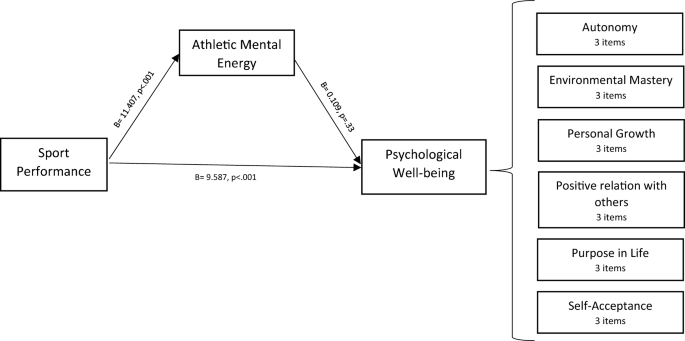
This curiosity led to the development of my research paper, "The Role of the Six Factors Model of Athletic Mental Energy in Mediating Athletes’ Well-being in Competitive Sports." The central objective of the study was to examine whether Athletic Mental Energy serves as a psychological bridge between athletic performance and psychological well-being.
Understanding Athletic Mental Energy
Athletic Mental Energy encompasses an athlete's capacity to remain focused, motivated, confident, and emotionally balanced under pressure. More than a performance-enhancing resource, AME represents a multidimensional psychological asset that may influence how athletes experience and respond to the challenges of competitive sport.
In an era where performance metrics often overshadow athlete welfare, understanding the role of AME offers valuable insights into advancing sustainable athletic excellence. My research was driven by the belief that psychological well-being should not be viewed as separate from performance, but rather as an integral component of it.
The Research Process
To investigate these relationships, I conducted two empirical studies involving athletes from diverse sporting disciplines and competitive levels, ranging from local competitors to professional athletes. Using validated self-report measures, I examined the interplay between Athletic Mental Energy, athletic performance, and psychological well-being.
The findings revealed that both the cognitive and emotional dimensions of AME significantly mediated the relationship between performance and well-being. These results suggest that athletes who possess higher levels of mental energy may be better equipped not only to perform effectively but also to maintain positive psychological functioning.
The study also demonstrated no significant gender differences in Athletic Mental Energy or psychological well-being, indicating the broad relevance of the construct across athlete populations. Although family structure was not associated with meaningful differences in AME, some descriptive variations in well-being emerged, providing avenues for future investigation.
Beyond the Findings: The Reality of Research
While the published findings occupy only a few pages, the journey behind them was considerably longer. Over 1,469 hours were invested in conceptualization, literature review, data collection, fieldwork, statistical analyses, manuscript preparation, revision, and resubmission.
The process involved traveling extensively for data collection, spending extended periods within sports environments, creating numerous manuscript drafts, and contending with the inevitable challenges of academic publishing. Like many researchers, I encountered manuscript rejections and critical reviews. However, each setback became an opportunity to strengthen the study, refine the arguments, and improve the quality of the research.
These experiences reinforced one of the most valuable lessons of scientific inquiry: meaningful research is rarely the product of a single breakthrough; it is the outcome of sustained effort, intellectual resilience, and continuous refinement.
A Milestone Achievement
The culmination of this journey came when the manuscript was accepted for publication in Scientific Reports, a prestigious Springer Nature journal. Beyond the achievement itself, the publication represented the successful transformation of an idea into a contribution to the scientific literature, one that advances our understanding of the psychological factors influencing athlete well-being.
For me, this milestone symbolizes the power of curiosity, perseverance, and evidence-based inquiry. Coming from a modest background in Delhi, India, I learned that impactful research is not defined by circumstances but by the determination to pursue meaningful questions with rigor and integrity.
Acknowledgements
I extend my sincere gratitude to my co-author, Mr Bahniman Boruah, whose guidance, encouragement, and invaluable support were instrumental throughout this journey. Collaborative scholarship remains one of the most rewarding aspects of academic life, and I am deeply thankful for his contribution.
Looking Forward
This publication is not the conclusion of my research journey but an important milestone within it. As I continue exploring the intersections of sport, psychology, and human performance, I remain committed to generating research that contributes both to scientific understanding and to the well-being of those who dedicate their lives to sport.
The journey continues, with new questions to ask, new challenges to embrace, and new discoveries waiting to be made.
Amisha Singh
First and Corresponding Author

Follow the Topic
-
Scientific Reports
An open access journal publishing original research from across all areas of the natural sciences, psychology, medicine and engineering.

Related Collections
With Collections, you can get published faster and increase your visibility.
Cancer Prevention and Control
Publishing Model: Hybrid
Deadline: Feb 19, 2027
Healthy Aging
Publishing Model: Open Access
Deadline: Dec 31, 2026