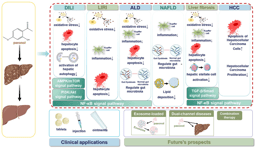
Decoding Glycan Chains: Structure, Bioactivity, and Health Translation of Natural Polysaccharides
Published in Chemistry and Cell & Molecular Biology

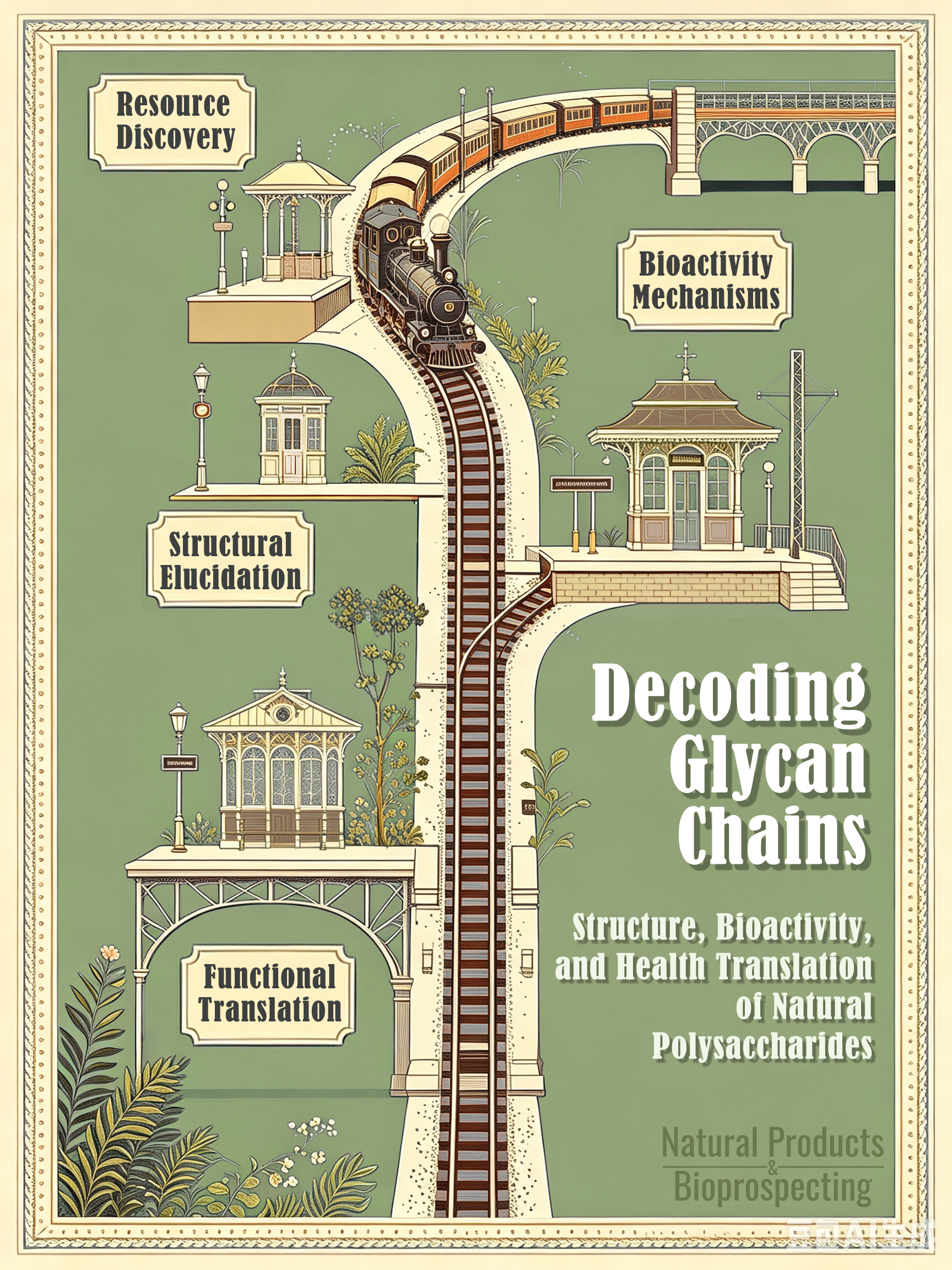
Section I: Novel Structures · New Methods: Fine Structural Elucidation of Polysaccharides (Articles 1-3)
Integrated analytical techniques including methylation–GC–MS and 1D/2D NMR for the elucidation of novel glycan scaffolds.
Highlights: Complete primary structure of the novel fructan PKP1 from Polygonatum kingianum; confirmation of the backbone and branching patterns of two neutral heteropolysaccharides (DRP-I/II) from Dictyophora rubrovalvata; the glucomannan BSP60 from Bletilla striata exhibiting 23.54% O-acetylation and shear-thinning rheological properties.
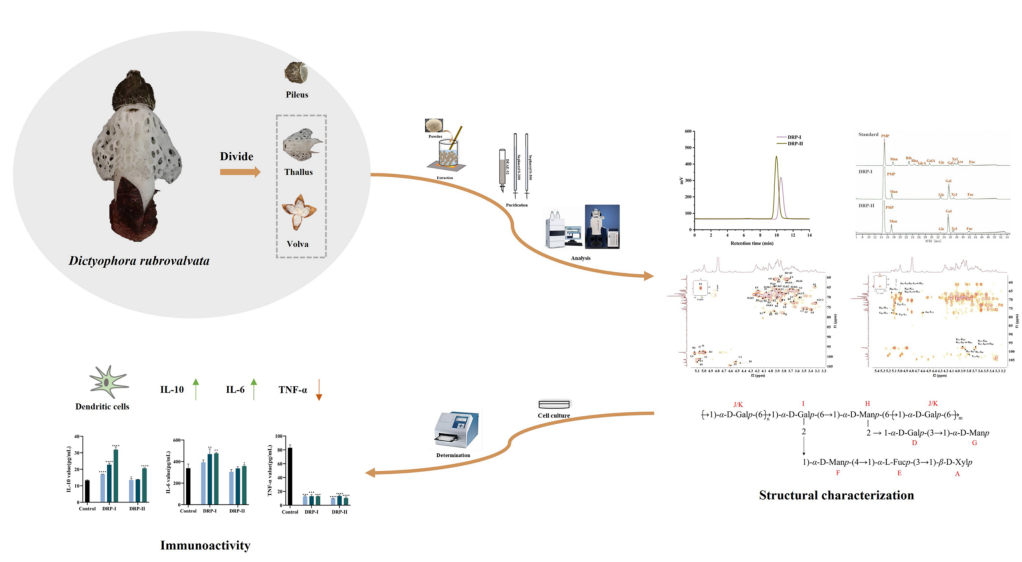
1. Structure characterization and immunoactivity on dendritic cells of two neutral polysaccharides from Dictyophora rubrovalvata
Dictyophora rubrovalvata polysaccharides: The fine structures of two neutral polysaccharides from the edible fungus "Snow Skirt Fairy" (Dictyophora rubrovalvata) are revealed, capable of balancing dendritic cell inflammatory responses.
Full Article: https://link.springer.com/article/10.1007/s13659-024-00476-6
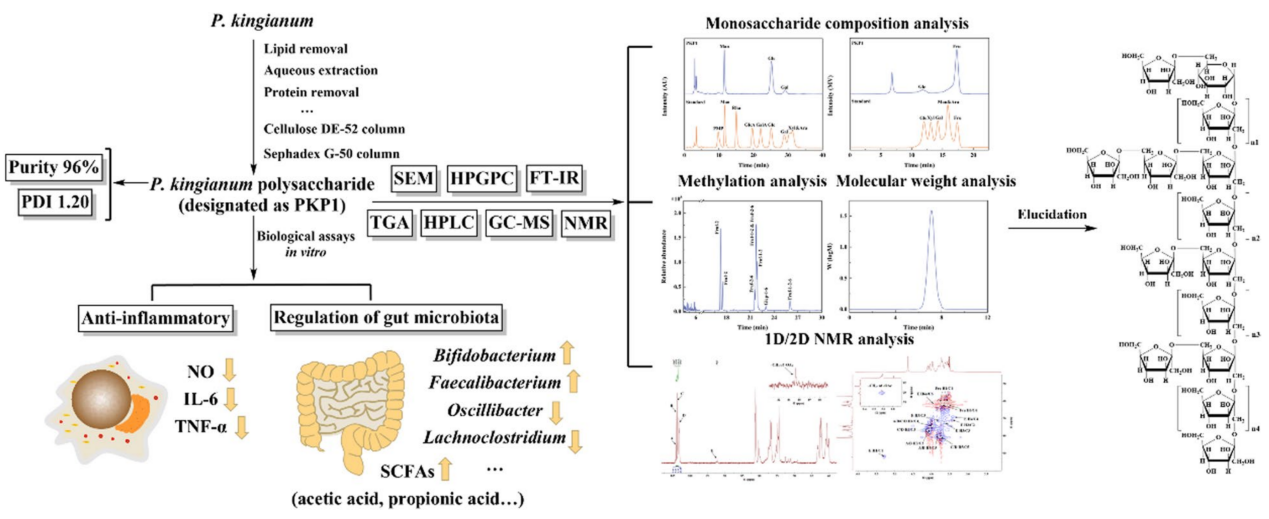
2. A novel polysaccharide in Polygonatum kingianum: structure elucidation, the activities of anti-inflammatory and the regulation of gut microbiota in vitro
Polygonatum kingianum PKP1: The first complete fructan structure from Polygonatum kingianum: anti-inflammatory in vitro and reshaping gut microbiota, adding molecular evidence for medicinal and edible homologous resources.
Full Article: https://link.springer.com/article/10.1007/s13659-025-00542-7
3. Structural characterization, rheological properties, and skin bioactivities of a glucomannan from Bletilla striata
Bletilla striata BSP60: The traditional Chinese medicine Bletilla striata glucomannan, with dual excellence in rheological properties and antioxidant capacity (superior to hyaluronic acid), targeting skincare and biomaterial applications.
Full Article: https://link.springer.com/article/10.1007/s13659-026-00638-8
Section II: Structure–Activity Relationships and Biosynthesis: Two Authoritative Reviews (Articles 4, 5)
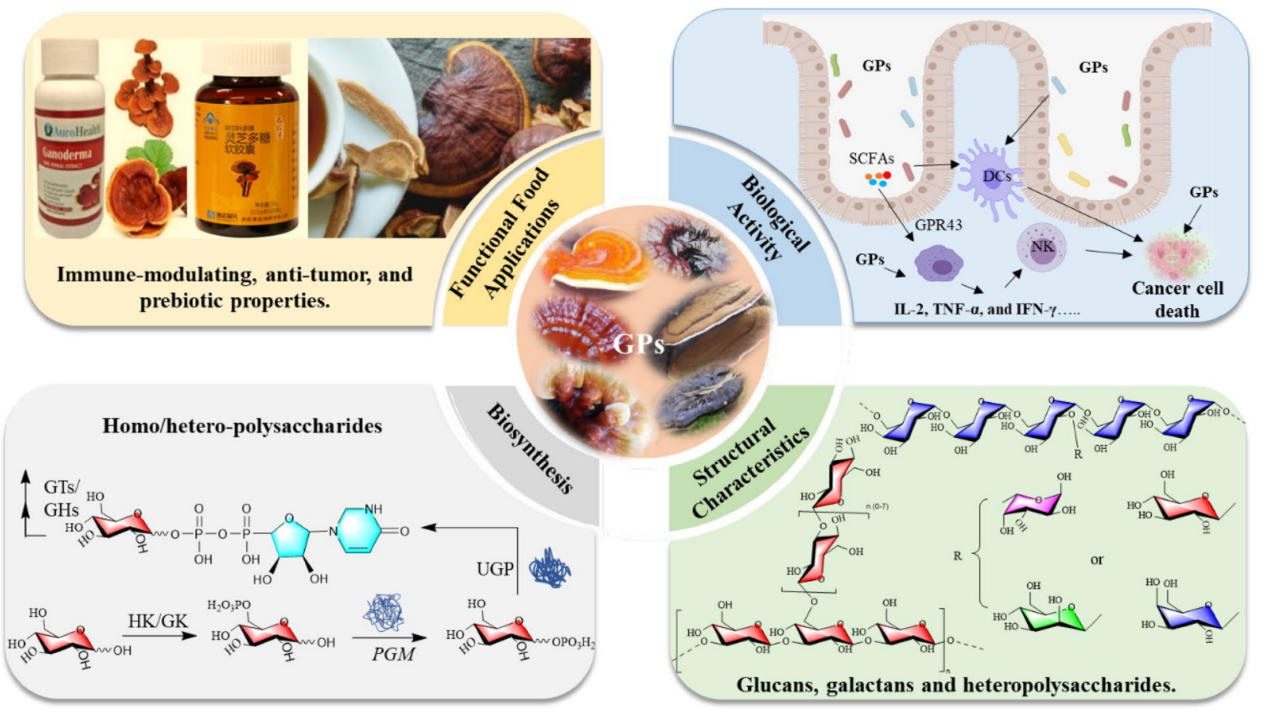
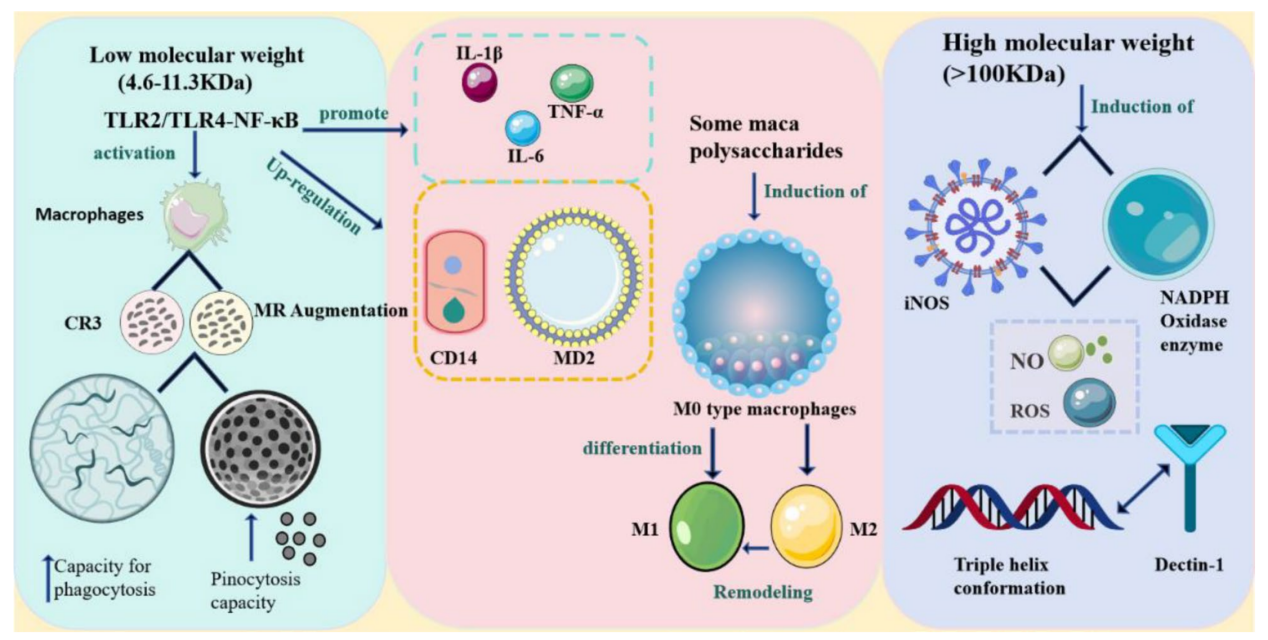
Ganoderma polysaccharides (six key structural classes, TLR signaling, antitumor and intestinal probiotic effects, green extraction and biosynthesis); maca polysaccharides (five structural types, molecular weights spanning three orders of magnitude from 3.0 to 1951.0 kDa, with the 200–400 kDa range showing optimal immunological activity).
Highlights: Systematically addressing "which structure determines which activity," providing a structure–activity relationship framework for the development of functional foods.
4. Structure–function insights of natural Ganoderma polysaccharides: advances in biosynthesis and functional food applications
Ganoderma polysaccharide review: Six structural classes of Ganoderma polysaccharides, TLR immune signaling, antitumor and intestinal probiotic mechanisms, green extraction and biosynthesis: one review to master them all.
Full Article: https://link.springer.com/article/10.1007/s13659-025-00496-w
5. Maca polysaccharides: structural diversity, biological activities, and structure–activity relationships
Maca polysaccharide review: Molecular weights spanning three orders of magnitude, with the mid-molecular-weight range (200–400 kDa) showing optimal immunological activity: a systematic review of maca polysaccharide structure–activity relationships.
Full Article: https://link.springer.com/article/10.1007/s13659-026-00609-z
Section III: Metabolic Health: Hypoglycemic Effects and Diabetic Nephropathy (Articles 6-9)
Multi-level mechanisms from molecular interactions to signaling pathways.
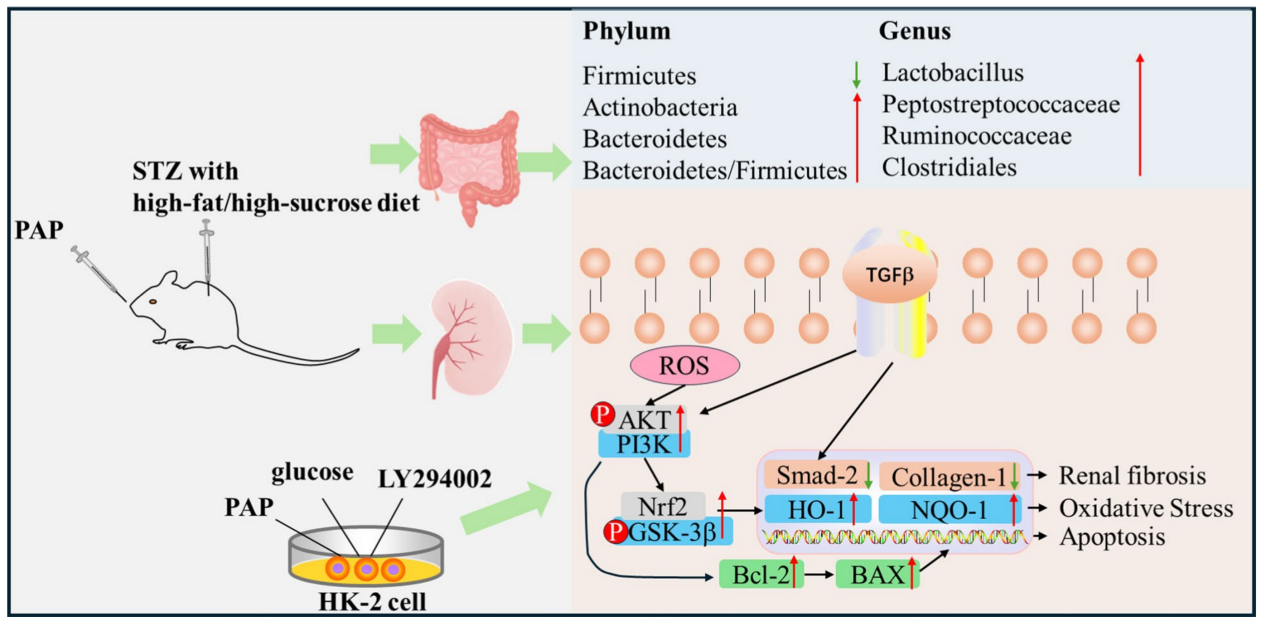
Highlights: Corn silk glycans and luteoloside form a complex that synergistically upregulates GLUT-1 and promotes insulin secretion; the low-molecular-weight polysaccharide TGB from Triplostegia glandulifera protects diabetic kidneys via attenuation of oxidative stress; Phellodendron amurense polysaccharides improve diabetic nephropathy through the PI3K/GSK-3β/Nrf2/TGF-β/Smad pathway combined with gut microbiota modulation; the review systematically discusses how natural inhibitors including polysaccharides target α-amylase, α-glucosidase, and DPP-IV to control postprandial hyperglycemia.
6. Interaction mechanism between luteoloside and corn silk glycans and the synergistic role in hypoglycemic activity
Corn silk glycans × luteoloside: 1 + 1 > 2! Corn silk glycans and luteoloside form a complex that synergistically upregulates GLUT-1 and promotes insulin secretion.
Full Article: https://link.springer.com/article/10.1007/s13659-024-00428-0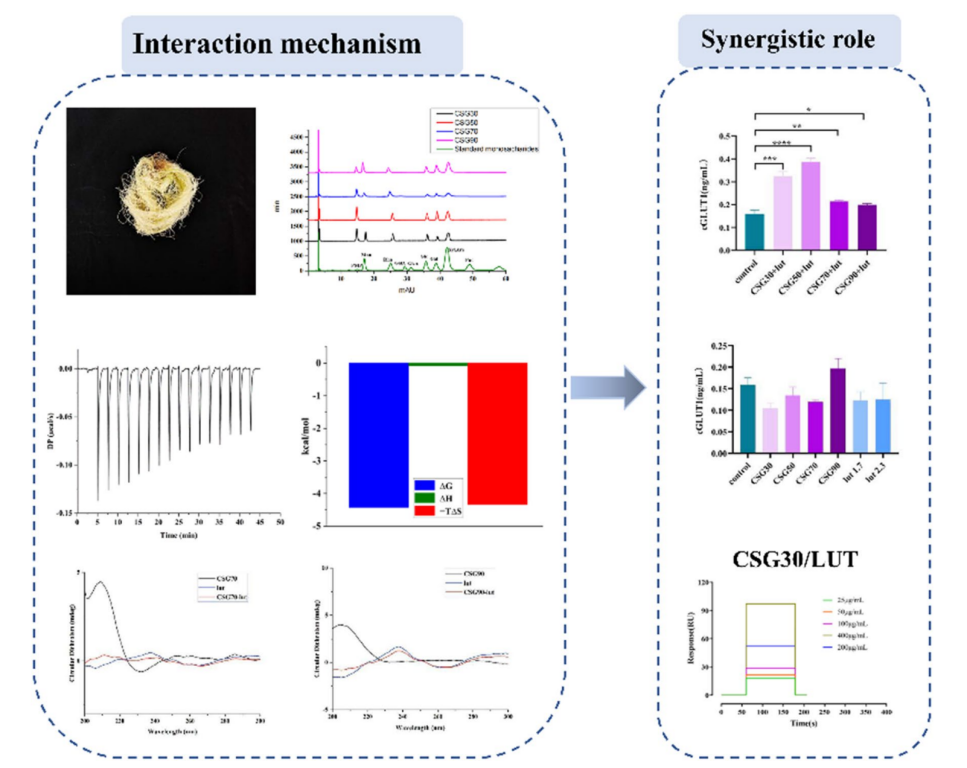
7. Polysaccharide fraction from Triplostegia glanduliferaWall and its renoprotective effect in streptozotocin-induced diabetic mice by attenuating oxidative stress
Triplostegia glandulifera polysaccharide: The low-molecular-weight polysaccharide TGB from the Yunnan ethnic medicine Triplostegia glandulifera protects diabetic kidneys through the antioxidative stress pathway.
Full Article: https://link.springer.com/article/10.1007/s13659-024-00467-7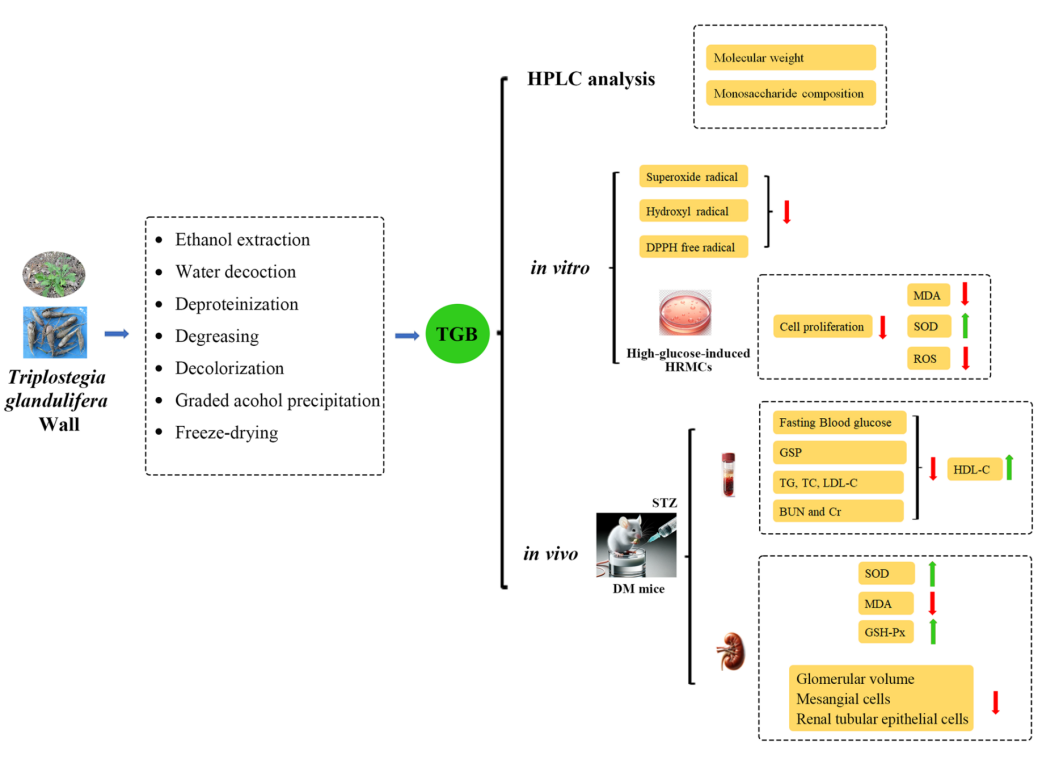
8. Phellodendron amurense Rupr. polysaccharides protects against diabetic nephropathy via alteration of PI3K/GSK-3β/Nrf2/TGF-β/Smad signaling pathway and gut microbiota
Phellodendron amurense polysaccharides: One PI3K/GSK-3β/Nrf2/TGF-β/Smad pathway and gut microbiota, multi-target interception of diabetic nephropathy.
Full Article: https://link.springer.com/article/10.1007/s13659-025-00566-z
9. A review on natural enzyme inhibitors: an effective approach to control postprandial hyperglycemia in type II diabetes
Natural enzyme inhibitor review: Polysaccharides, phenolics, probiotics, and bioactive peptides—who is the "natural brake pad" for postprandial blood glucose?
Full Article: https://link.springer.com/article/10.1007/s13659-026-00606-2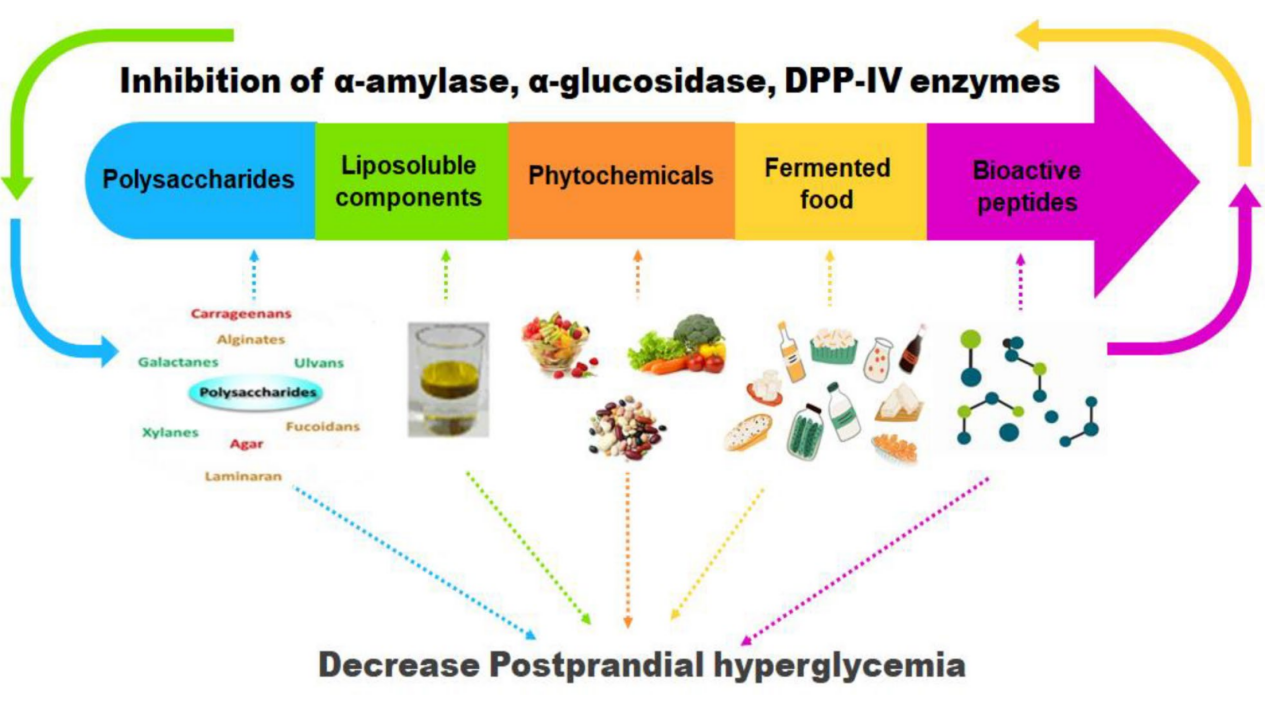
Section IV: Immunomodulation and Functional Foods (Article 10, with reference to Articles 1, 2, 4)
From terrestrial medicinal and edible homologous resources to marine resources.
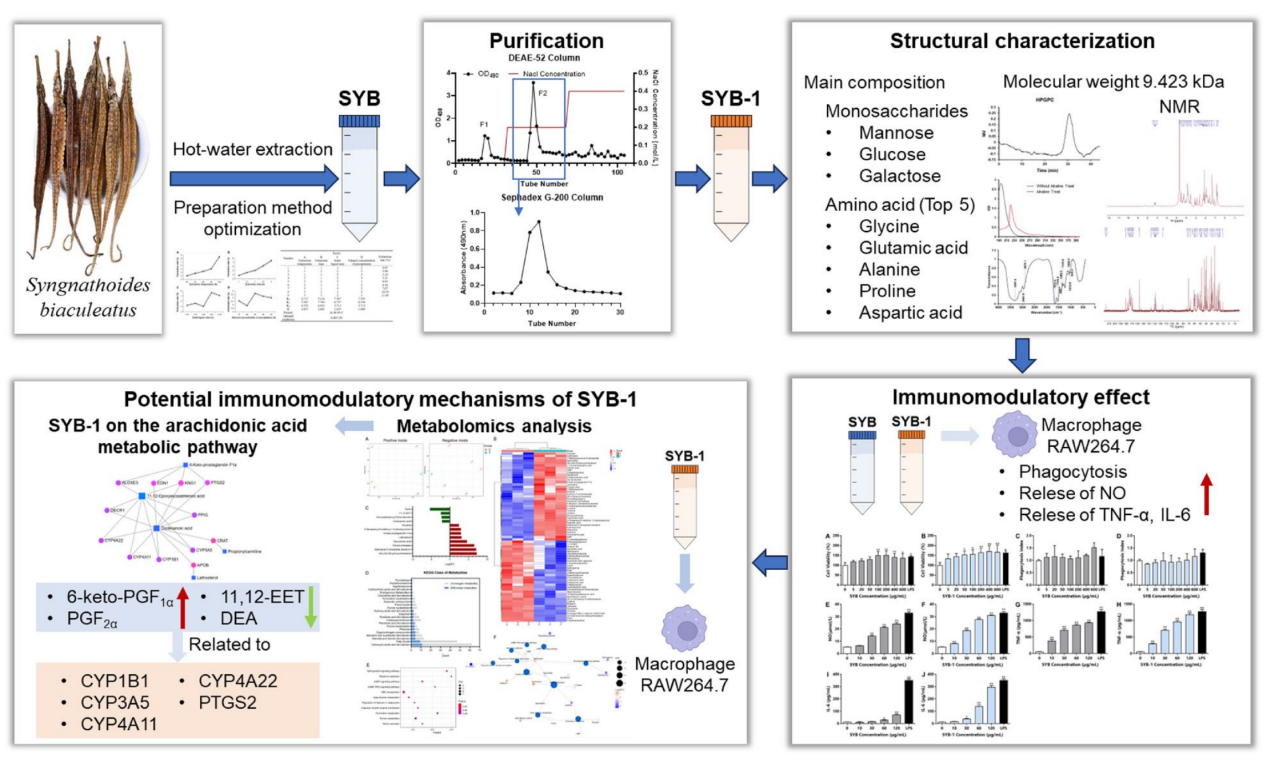
Highlights: The glycoprotein SYB-1 from Syngnathoides biaculeatus activates macrophages via the arachidonic acid metabolism pathway, serving as a marine functional food candidate for immunocompromised populations.
10. Preparation, physicochemical properties, and immunomodulatory activity of glycoproteins from Syngnathoides biaculeatus
Syngnathoides biaculeatus glycoprotein: The glycoprotein from the marine medicinal resource Syngnathoides biaculeatus activates immunity via arachidonic acid metabolism, providing a new candidate for immunocompromised populations.
Full Article: https://link.springer.com/article/10.1007/s13659-025-00551-6
Section V: Source Expansion and Industrial Applications (Articles 11, 12, with reference to Article 3)
Upstream enzymatic tools + downstream material applications, reflecting the "Bioprospecting" journal identity.
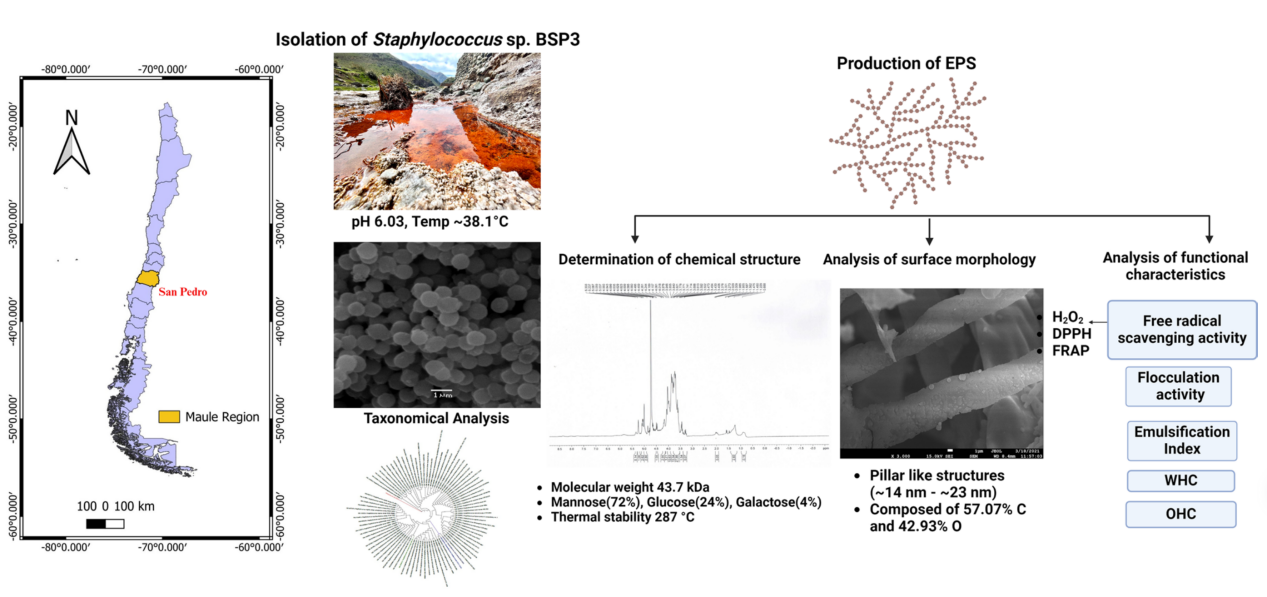
Highlights: Computational–experimental strategies for targeted mining of polysaccharide-degrading enzymes from metagenomic data; the Chilean hot-spring BSP3 exopolysaccharide tolerates 287 °C and exhibits emulsification, antioxidation, and flocculation properties, serving as a biodegradable biological additive; Bletilla striata BSP60 demonstrates superior antioxidant capacity to hyaluronic acid, with potential for skincare and biomaterial applications.
11. Precision enzyme discovery through targeted mining of metagenomic data
Metagenomic enzyme mining review: How to "precisely pan for gold" for polysaccharide-degrading enzymes from massive metagenomic datasets? This article covers the full workflow of computational screening + experimental validation.
Full Article: https://link.springer.com/article/10.1007/s13659-023-00426-8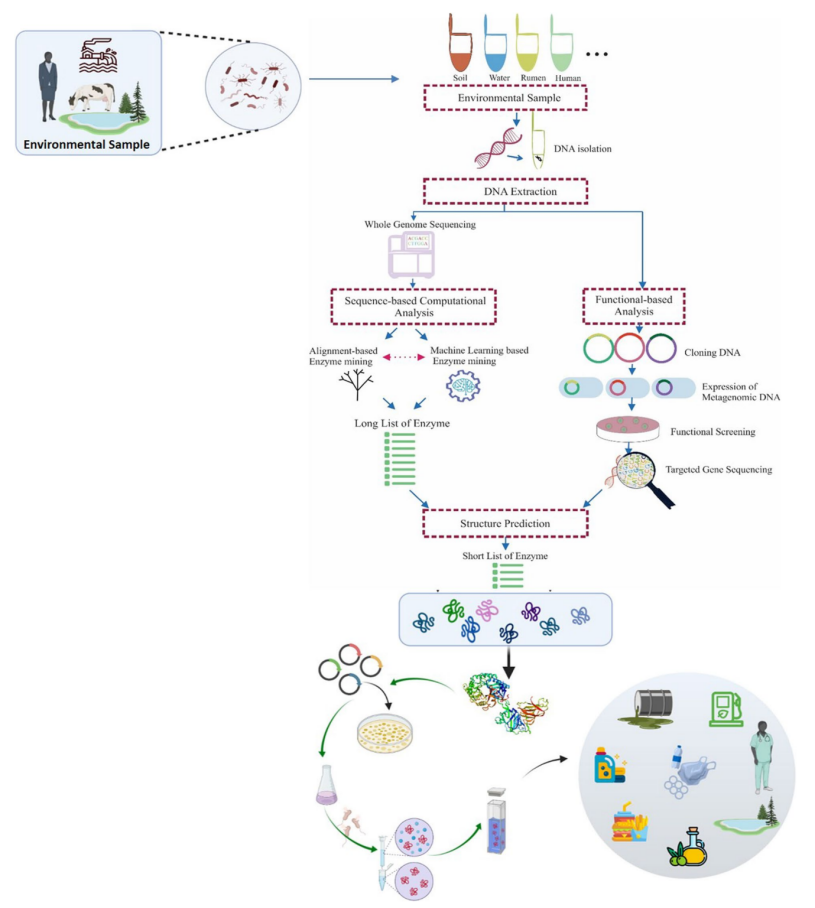
12. Characterization of Chilean hot spring-origin Staphylococcussp. BSP3 produced exopolysaccharide as biological additive
Chilean hot-spring EPS: A hot-spring bacterial exopolysaccharide tolerating 287 °C—emulsification, antioxidation, and flocculation in one natural biological additive.
Full Article: https://link.springer.com/article/10.1007/s13659-024-00436-0
Follow the Topic
-
Natural Products and Bioprospecting
This is a single blind peer-reviewed open access journal that devoted to rapidly disseminate research results in all areas of natural products.