The functional role and regulatory mechanism of paeonol in the treatment of liver diseases
Published in Chemistry, Cell & Molecular Biology, and General & Internal Medicine

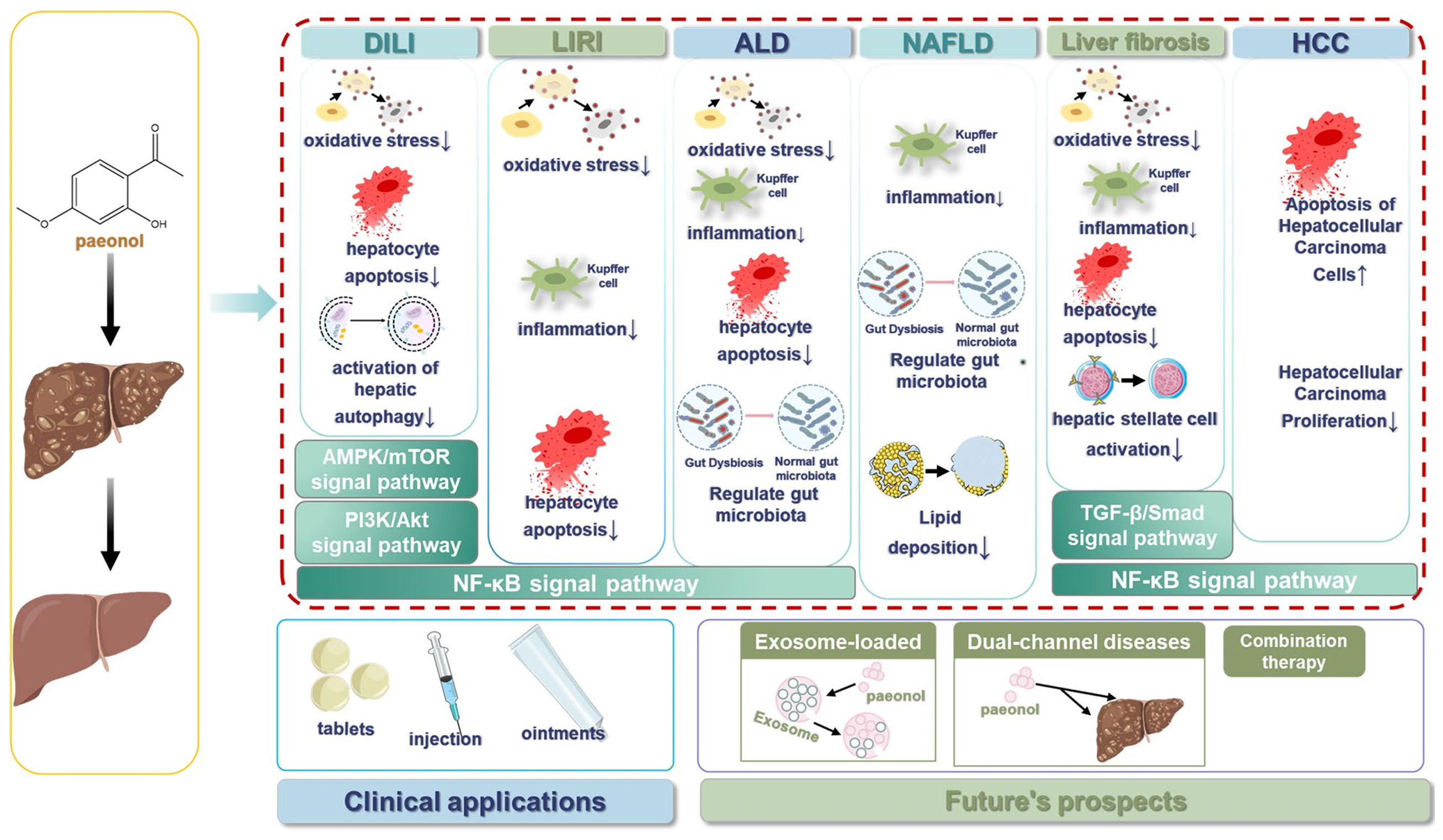
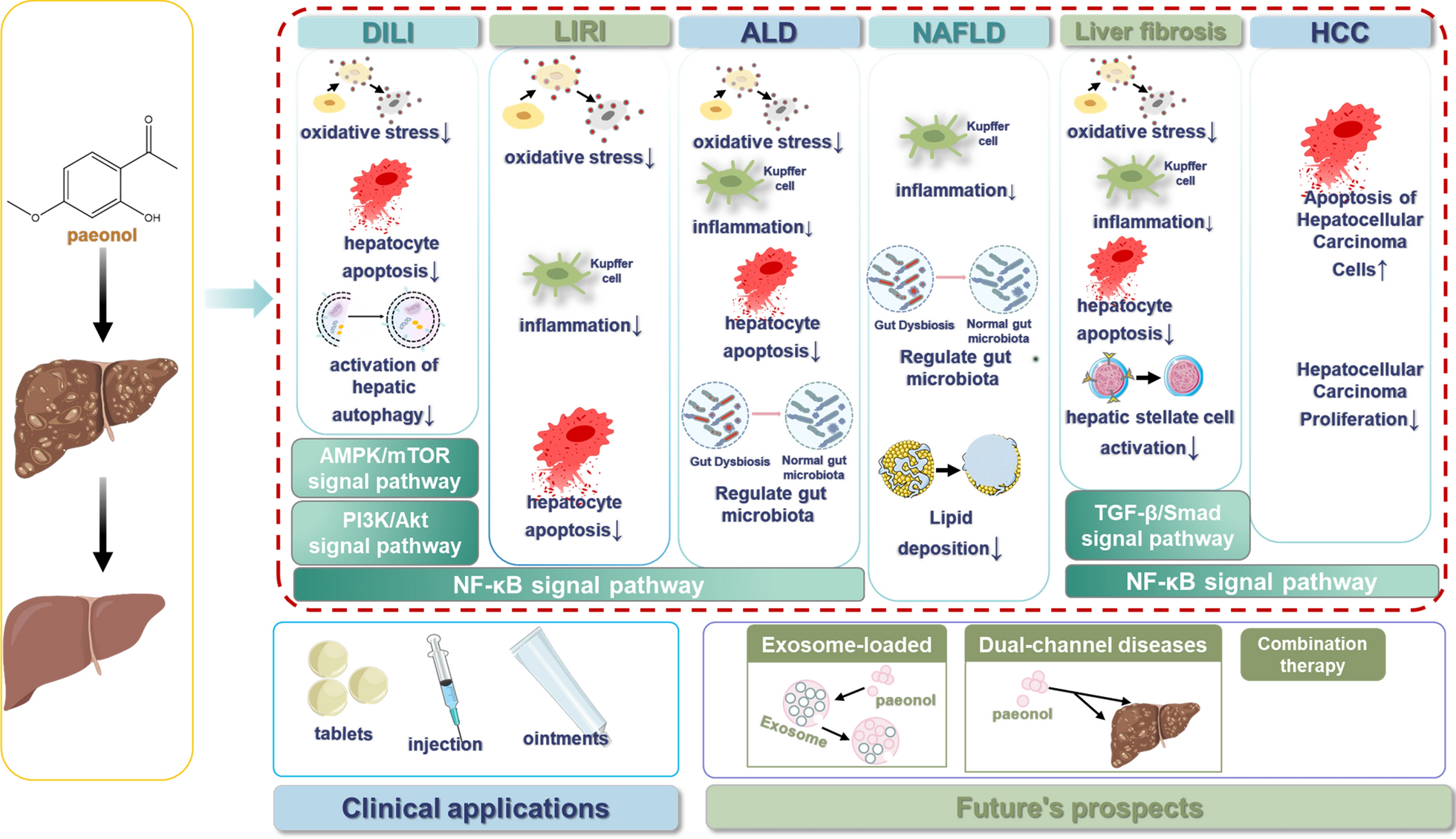

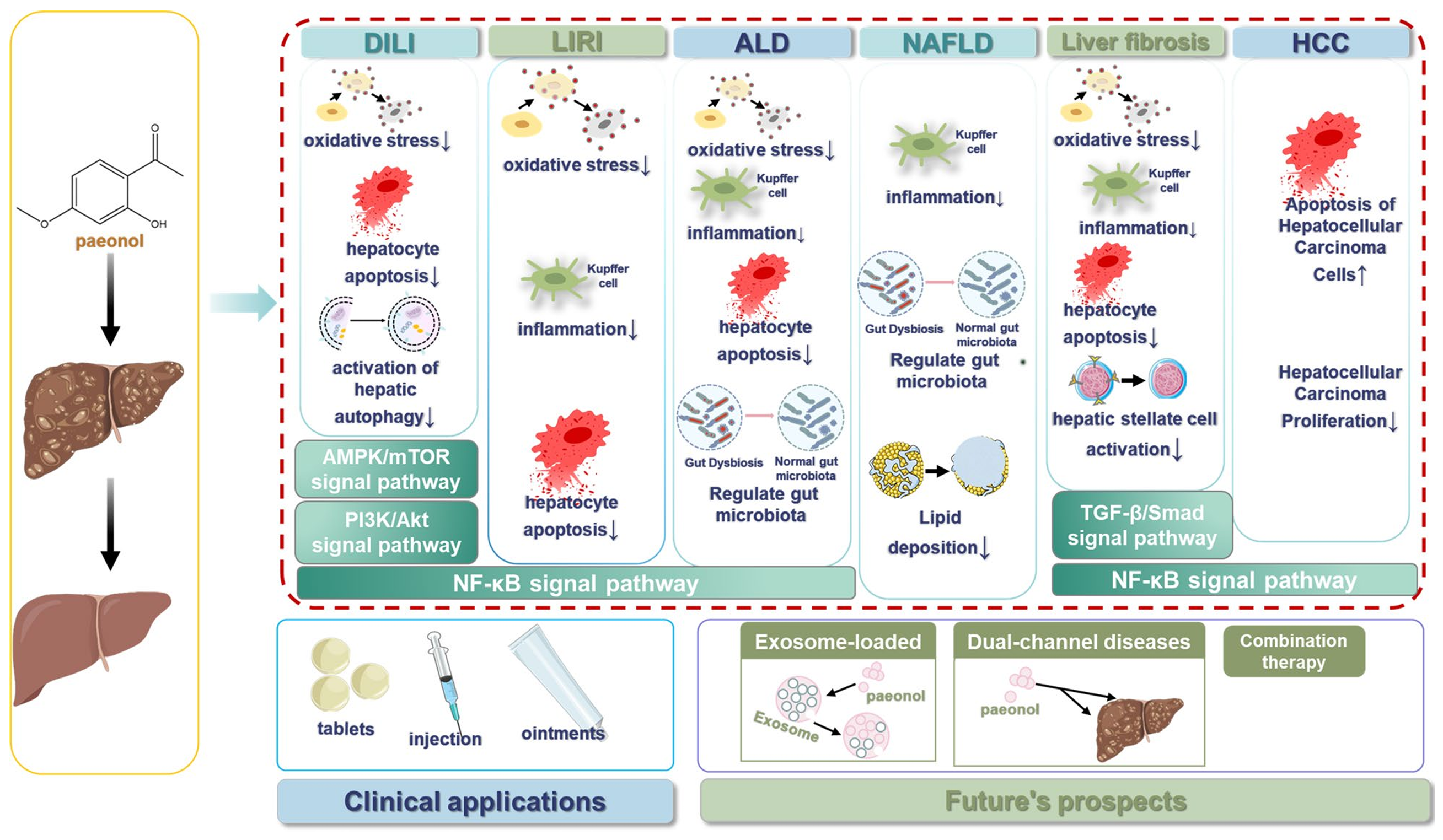
Paeonol, a naturally occurring acetophenone extracted from the root bark of peony (Paeonia lactiflora), has emerged as a pleiotropic hepatoprotective agent with a compelling translational profile. A comprehensive 2026 review by Tao Xu and Qi Yan (Nat. Prod. Bioprospect. 16, 2 (2026). https://doi.org/10.1007/s13659-025-00554-3) integrates extensive pre-clinical studies, confirming that paeonol can simultaneously target multiple core mechanisms in the development and progression of liver disease—including oxidative stress, inflammatory response, fibrosis, and carcinogenesis—covering the complete pathological spectrum from acute liver injury to hepatocellular carcinoma
Mechanistically, paeonol could enhance antioxidant defenses by activating the Nrf2/HO-1 axis and inhibits inflammatory signaling pathways such as TLR4/NF‑κB. In models of drug-induced liver injury, it regulates AMPK/mTOR-mediated autophagy balance, upregulates the expression of drug efflux transporters P-gp and MRP-2, and mitigates hepatocyte damage. In liver ischemia/reperfusion injury, paeonol could suppresse the TLR4/MYD88/NF‑κB pathway, reducing the release of inflammatory cytokines. In both alcoholic and non-alcoholic fatty liver disease, it remodels the gut microbiota, strengthens the intestinal barrier, and alleviates oxidative stress and inflammation via pathways including SIRT1/Nrf2. During the liver fibrosis stage, paeonol inhibits TGF-β/Smad3 signaling, ameliorating mitochondrial dysfunction and inducing apoptosis in activated hepatic stellate cells. In hepatocellular carcinoma models, it suppresses the PI3K/Akt survival pathway and exerts synergistic antitumor effects with chemotherapeutic agents such as cisplatin or 5-fluorouracil.
Although these multi-target effects have been validated in animal studies (oral doses ranging approximately from 25 to 480 mg/kg) without significant systemic toxicity observed, its clinical translation is hindered by poor aqueous solubility, low oral bioavailability, and rapid metabolism. Research indicates that intranasal administration can significantly improve the bioavailability of paeonol, while nano-carrier-based delivery systems such as exosomes hold promise for enhancing its liver-targeted delivery. Currently, a topical formulation, safflower paeonol cream, has completed a Phase II clinical trial involving 288 subjects for swelling and pain due to soft tissue injury and osteoarthrosis, accumulating preliminary safety data for the potential expansion of its systemic applications.
In conclusion, the strong alignment among its mechanisms of action, efficacy, and safety profile positions paeonol as a potential adjuvant therapeutic agent for drug-induced liver injury, liver ischemia/reperfusion injury, alcoholic and non-alcoholic fatty liver disease, liver fibrosis, and even early-stage hepatocellular carcinoma. It appears particularly suitable for use in combination with existing chemotherapeutic or immunotherapeutic regimens. With ongoing innovations in drug delivery technology, this active compound derived from traditional medicine is poised to bring new momentum to the modern treatment of liver diseases.
Follow the Topic
-
Natural Products and Bioprospecting
This is a single blind peer-reviewed open access journal that devoted to rapidly disseminate research results in all areas of natural products.