Natural Products with Broad-Spectrum Neuroprotective Activity: Diverse Origins and Convergent Mechanisms
Published in Neuroscience and Cell & Molecular Biology

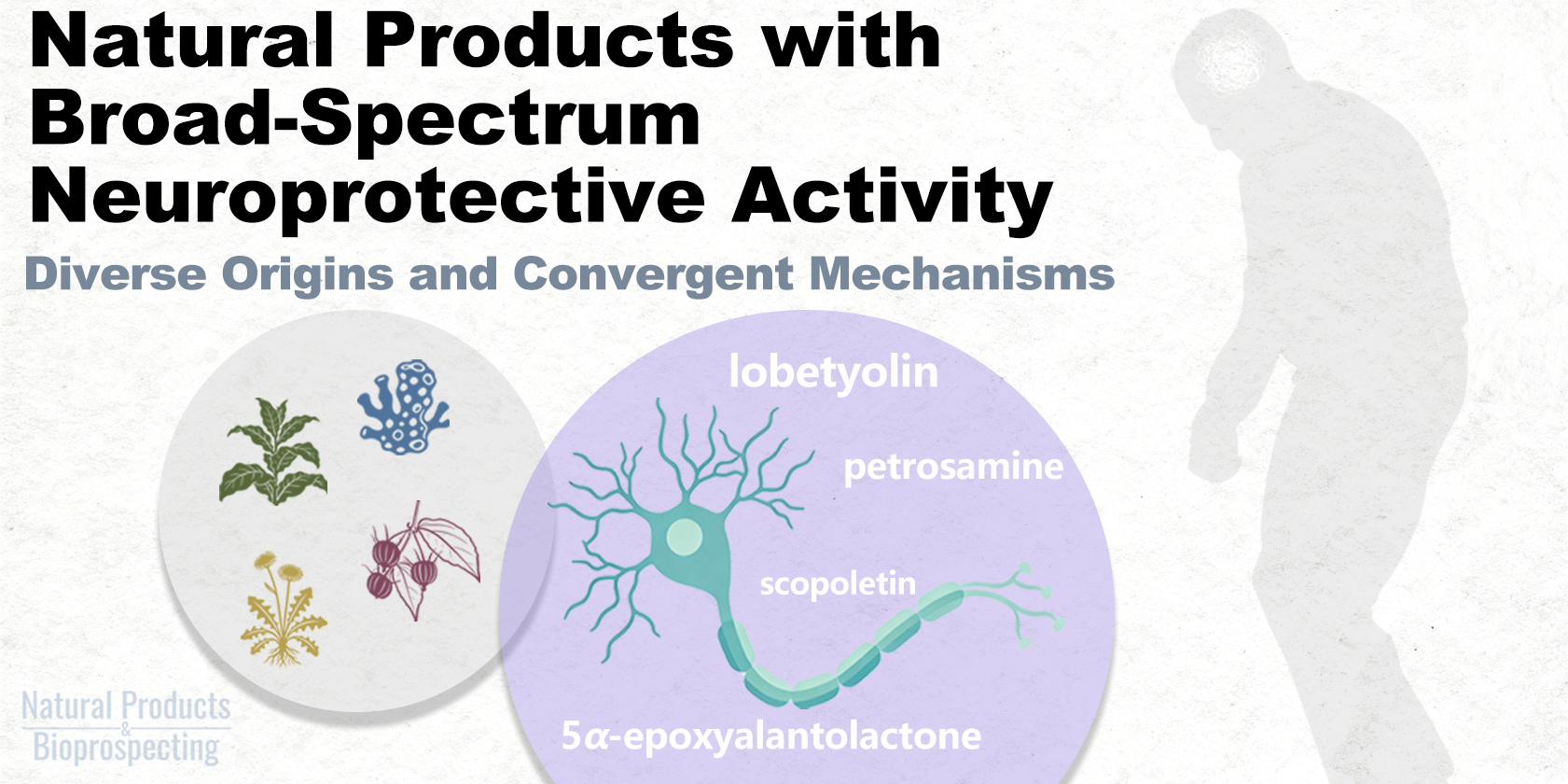

Natural products hold immense potential as a therapeutic frontier in neuroprotection. This potential is evidenced by recent research published in Natural Products and Bioprospecting, which has explored a variety of compounds with potential against neurodegenerative diseases such as Alzheimer's disease (AD) and Parkinson's disease (PD). This collection synthesizes key findings from that work. The selected articles are organized around three interrelated themes that highlight their promise for broad-spectrum application: the diversity of natural sources, the convergence of protective mechanisms, and their efficacy across disease models.
I. Diverse Origins: Expanding the Chemical Space for Neuroprotection
Neuroprotective agents featured in these studies are derived from an impressive range of biological origins, reflecting the vast chemical diversity of nature:
Terrestrial Plants: Traditional sources such as Inula macrophylla and Nicotiana tabacum continue to yield novel lead compounds.
Marine Organisms: The marine sponge Petrosia sp. contributes unique alkaloids like petrosamine, highlighting the untapped potential of marine biodiversity.
Edible Medicinal Plants: Compounds like lobetyolin from the Campanulaceae family highlights the concept of medicinal and edible homology
II. Convergent Mechanisms: Multi-Target Action Against Neurodegeneration
Despite their structural diversity, these natural products frequently exert their neuroprotective effects through a set of shared, fundamental mechanisms:
Antioxidant Effects: Primarily achieved through activation of the Nrf2/ARE pathway to mitigate oxidative stress.
Anti-inflammatory Activity: Mediated by inhibition of the NF-κB pathway and modulation of microglial polarization.
Mitochondrial Protection: Involving the preservation of mitochondrial membrane potential and the promotion of mitochondrial biogenesis.
Modulation of Synaptic Plasticity: Characterized by the enhancement of BDNF signaling and the consequent improvement of cognitive function.
III. Broad-Spectrum Potential: From Specific Diseases to General Neuroprotection
The studies demonstrate that the utility of these compounds extends beyond single disease models, indicating both specific and broad applications:
Targeted Activity in Alzheimer’s Disease Models: Compounds such as 5α-epoxyalantolactone and lobetyolin show specific efficacy.
Targeted Activity in Parkinson’s Disease Models: Specific chemical constituents from Nicotiana tabacum are active.
Broad-Spectrum Neuroprotective Activity: Agents like petrosamine exhibit activity against varied neurotoxic insults, supporting their classification as promising broad-spectrum neuroprotective agents.
Collectively, these studies reinforce the value of natural products in identifying multi-target, mechanism-based therapies for neurodegenerative conditions. They not only reveal inhibitory effects on neurotoxicity but also underscore the potential for cognitive improvement. Continued investigation into their precise modes of action will be essential for translating these findings into clinically viable treatments.
Article Summaries:
1. 5α-Epoxyalantolactone from Inula macrophylla Attenuates Cognitive Deficits in a Scopolamine-Induced AD Mouse Model
This study evaluated 5α-EAL from Inula macrophylla for Alzheimer’s disease (AD). It demonstrated anti‑neuroinflammatory activity and blood–brain barrier penetration in vitro. In a scopolamine‑induced AD mouse model, 5α-EAL improved cognitive and memory deficits while reducing brain acetylcholinesterase activity, indicating a dual anti‑inflammatory and cholinesterase‑inhibitory profile that supports its potential as an AD therapeutic lead.
https://link.springer.com/article/10.1007/s13659-024-00462-y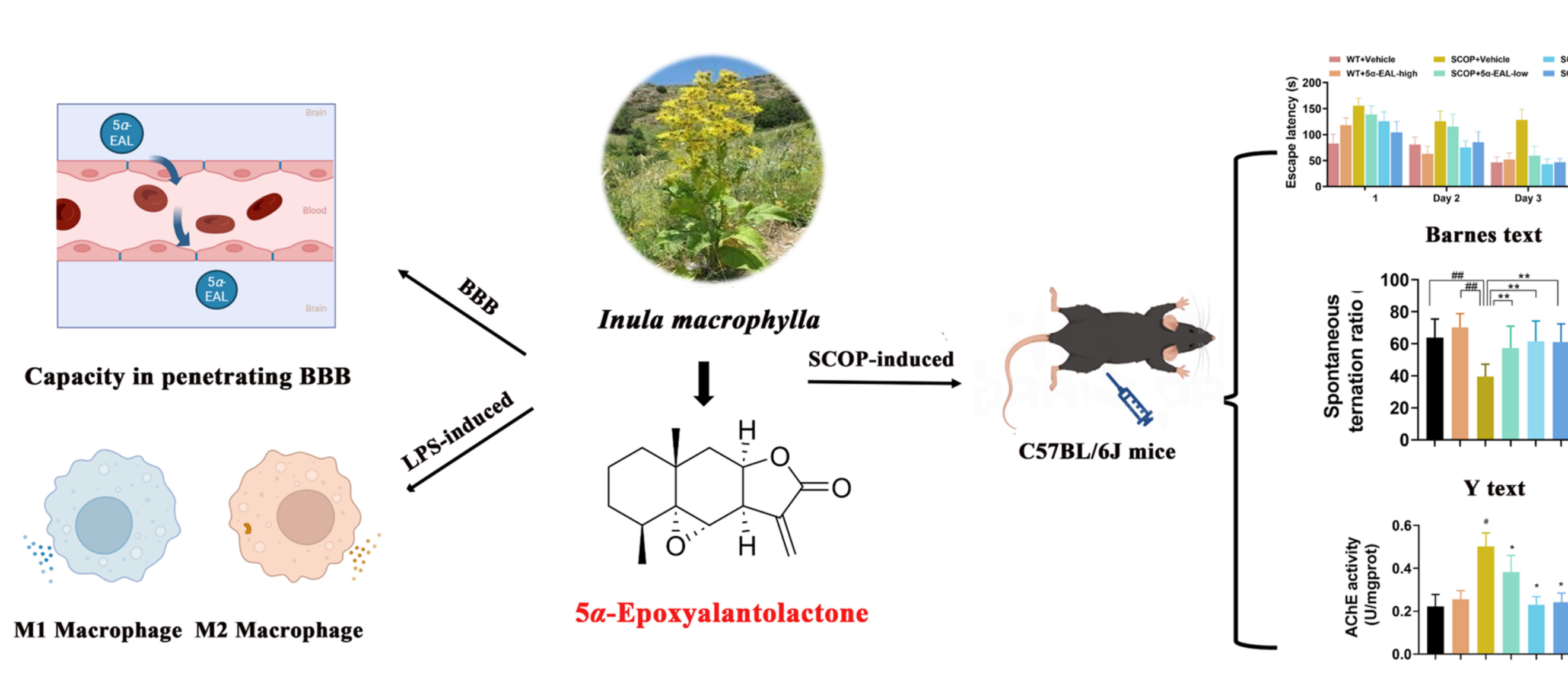
2. Petrosamine from Marine Sponge Petrosia sp. Protects Against Neurotoxicity In Vitro and In Vivo
This study reports for the first time the neuroprotective activity of petrosamine, an alkaloid isolated from a marine sponge. In both aluminium chloride‑induced in vitro and zebrafish in vivo neurotoxicity models, petrosamine demonstrated consistent protective effects. This work preliminarily reveals its potential in counteracting neurotoxicity, offering a new candidate molecule for marine‑derived anti‑AD drug development.
https://link.springer.com/article/10.1007/s13659-024-00439-x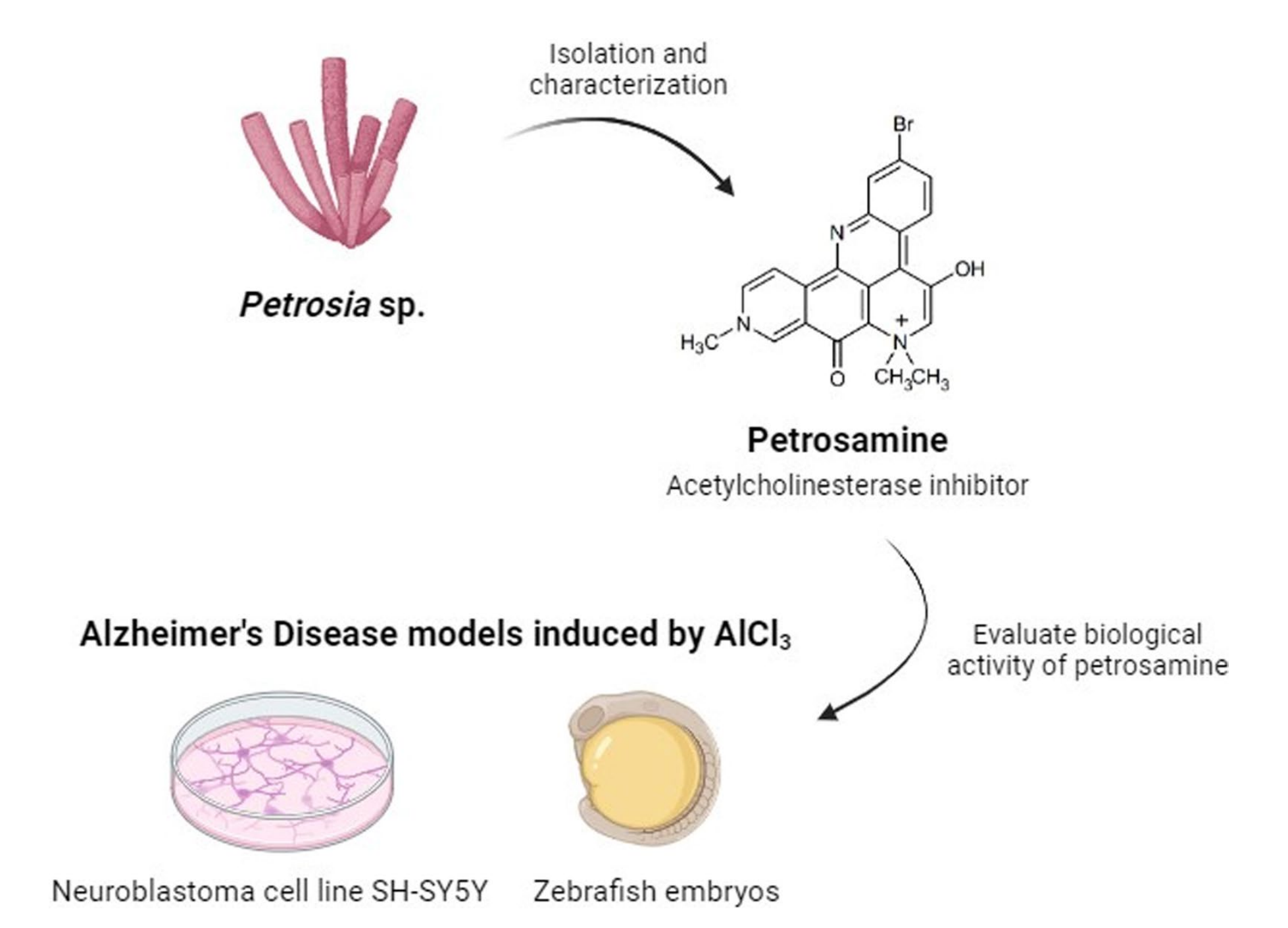
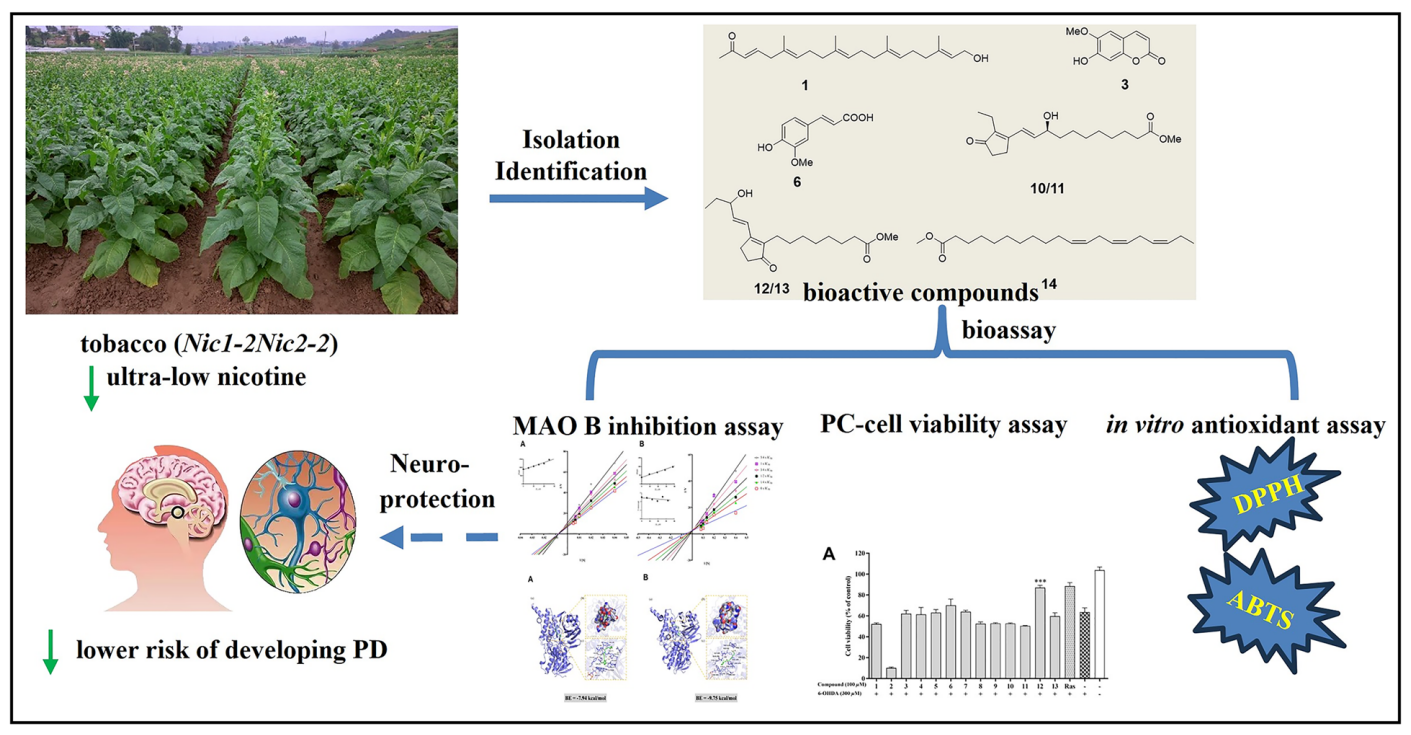
3. Neuroprotective Constituents from Nicotiana tabacum L. in Parkinson’s Disease Models
The chemical investigation of tobacco has revealed compounds with synergistic antioxidant, neuronal protective, and selective MAO-B inhibitory activities. These findings not only offer a molecular rationale for the observed epidemiological link between tobacco use and reduced Parkinson’s disease risk, but also identify a novel source for developing multi-target neuroprotective agents.
https://link.springer.com/article/10.1007/s13659-025-00541-8
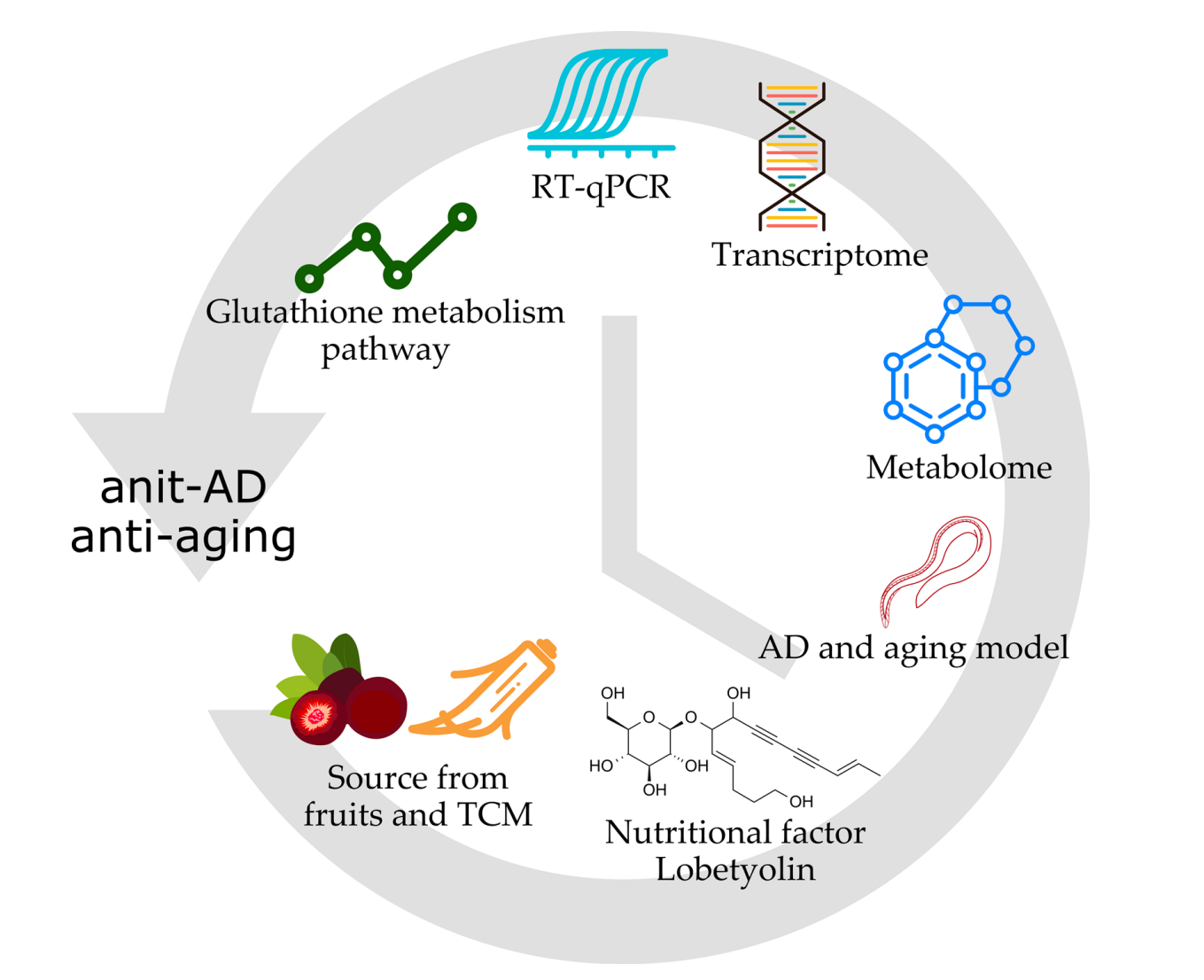
4. Lobetyolin from a Dietary Campanulaceae Source: Metabolic Reprogramming Against AD
This study elucidates how lobetyolin, derived from a food-compatible medicinal source, counteracts Alzheimer’s disease. In C. elegans AD models, it reduced Aβ toxicity, extended lifespan, and lowered oxidative stress. Integrated omics analysis identified its core mechanism as reprogramming glutathione-centered redox metabolism. These findings position lobetyolin as a dietary factor with neuroprotective and anti-aging potential via metabolic regulation.
https://link.springer.com/article/10.1007/s13659-025-00549-0
Follow the Topic
-
Natural Products and Bioprospecting
This is a single blind peer-reviewed open access journal that devoted to rapidly disseminate research results in all areas of natural products.