


Introduction
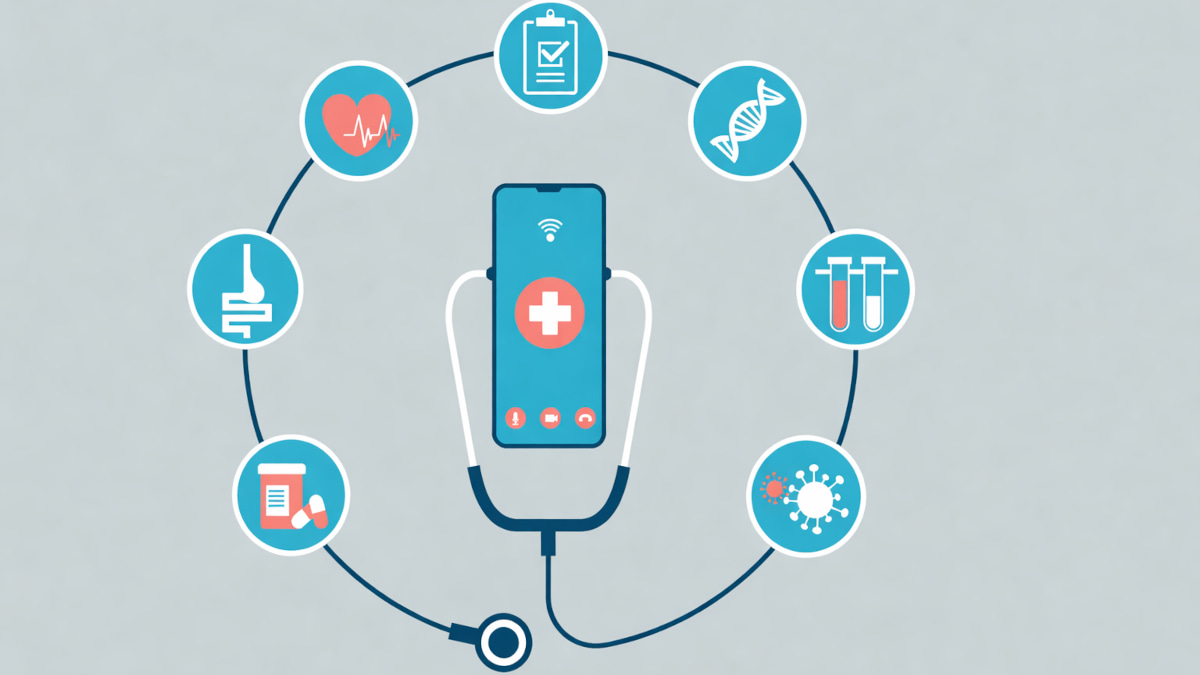
The rapid advancement of digital technologies is reshaping clinical practice, including how infectious diseases are diagnosed, treated, and managed. From AI‑driven diagnostics to remote monitoring and virtual care, digital medicine is increasingly embedded in clinical workflows.
The Digital Medicine for Infectious Diseases collection brings together research that explores the clinical application of digital medicine across the infectious disease care pathway. This is a cross-journal collection, uniting contributions from five Nature Portfolio journals- Nature Communications, Nature Medicine, Communications Medicine, Communications Health, and npj Digital Medicine.
Why this topic matters
Infectious diseases often require rapid diagnosis, timely intervention, and continuous monitoring. Digital medicine offers new ways to meet these demands by enabling:
- Faster and more accurate diagnosis through AI enabled tools
- Continuous assessment of disease progression using digital biomarkers
- Remote monitoring and follow-up beyond traditional healthcare settings
- Personalised and adaptive treatment strategies
- Continuity of care during outbreaks and health system disruption
The COVID-19 pandemic underscored the critical role of digital technologies in accelerating diagnostics, optimising resource allocation, and supporting care delivery at scale.
This cross-journal collection contributes directly to SDG 3: Good Health and Well-Being by advancing the clinical application of digital medicine for infectious disease care. It aligns closely with SDG 3.3, which aims to end epidemics of major infectious diseases, by showcasing research on AI-driven diagnostics, digital biomarkers, remote monitoring, digital therapeutics, and telemedicine models that enable earlier detection, more precise treatment, and improved disease management. The collection also supports SDG 3.d, which focuses on strengthening early warning, risk reduction, and health system preparedness, through studies on clinically validated digital interventions, virtual care platforms, and governance frameworks that support safe, scalable deployment. Together, the research highlights how digital medicine can enhance resilience, maintain continuity of care during outbreaks, and improve equitable access to high-quality infectious disease treatment.
Explore More
This collection welcomes contributions from clinicians, public health researchers, technologists, and data scientists working to advance digital medicine for global infectious disease challenges. Please click here to explore the full collection in detail.

Follow the Topic
-
Communications Medicine

A selective open access journal from Nature Portfolio publishing high-quality research, reviews and commentary across all clinical, translational, and public health research fields.
-
npj Digital Medicine

An online open-access journal dedicated to publishing research in all aspects of digital medicine, including the clinical application and implementation of digital and mobile technologies, virtual healthcare, and novel applications of artificial intelligence and informatics.
-
Nature Communications

An open access, multidisciplinary journal dedicated to publishing high-quality research in all areas of the biological, health, physical, chemical and Earth sciences.
-
Nature Medicine

This journal encompasses original research ranging from new concepts in human biology and disease pathogenesis to new therapeutic modalities and drug development, to all phases of clinical work, as well as innovative technologies aimed at improving human health.
-
Communications Health

This is an open access journal from Nature Portfolio publishing high-quality research, reviews and commentary in all population health-related areas of research.
Related Collections
With Collections, you can get published faster and increase your visibility.
Evaluating the Real-World Clinical Performance of AI
Publishing Model: Open Access
Deadline: Jun 03, 2026
Healthy Aging
Publishing Model: Open Access
Deadline: Jun 01, 2026



Please sign in or register for FREE
If you are a registered user on Research Communities by Springer Nature, please sign in