Emerging Journals for Sustainable Development Goals
Published in Sustainability

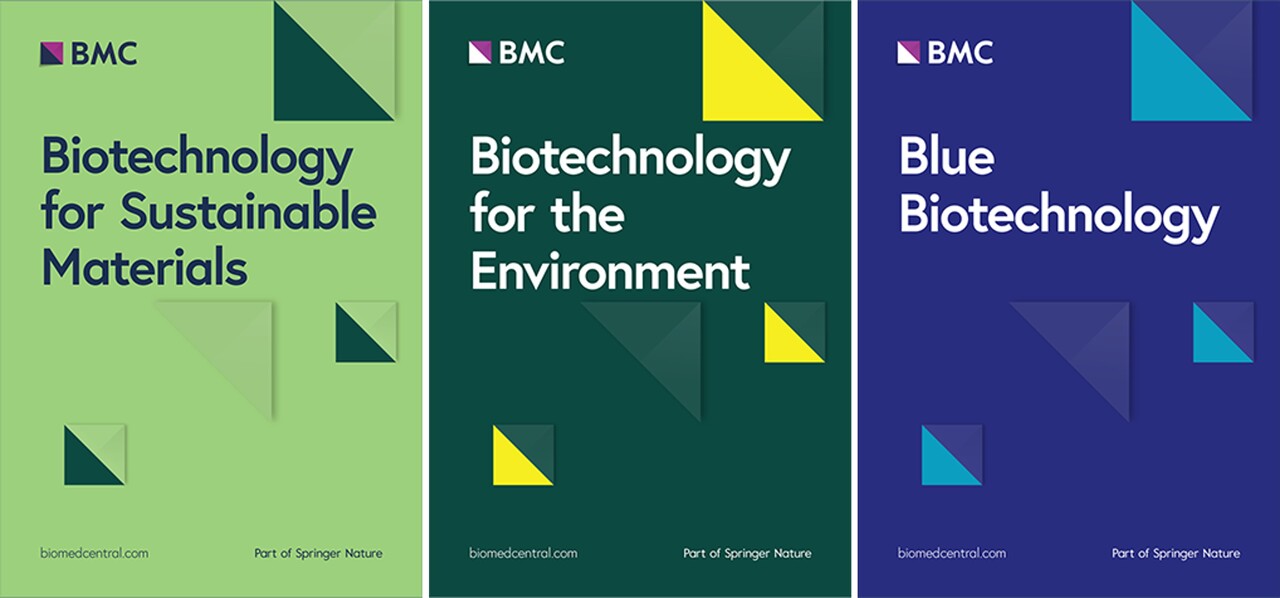





The field of biotechnology has been instrumental in driving sustainable innovations, and its impact continues to expand through dedicated scientific platforms. The success of the newly launched journals including Biotechnology for Sustainable Materials, Biotechnology for the Environment, and Blue Biotechnology is rooted in the strong foundation established by the Biotech family of journals such as Microbial Cell Factories, Fungal Biology and Biotechnology for Biofuels and Bioproducts. These journals have provided a platform for high-impact research in applied and industrial biotechnology, demonstrating how microbial and biochemical processes can be harnessed to address pressing global challenges.
Building on this legacy, Biotechnology for Sustainable Materials was launched to provide a specialized platform for research at the intersection of biotechnology and material science. The journal is committed to advancing a circular bioeconomy by encouraging innovations in bio-based, biodegradable, and recyclable materials. Our focus extends across multiple domains, from microbial and plant-derived biopolymers to biofabrication, enzymatic recycling, and green chemistry solutions. Recent publications in our journal reflect this commitment. Research on bacterial nanocellulose bioinks demonstrates their potential for 3D bioprinting applications, enabling high-resolution, biocompatible structures for medical and industrial uses (BMC). Advances in microbial and enzymatic plastic degradation highlight new enzymatic pathways for polymer breakdown, addressing one of the most pressing environmental concerns of our time (BMC). Furthermore, cutting-edge studies on polyhydroxyalkanoate biosynthesis introduce novel monomers that enhance material crystallization and thermal stability, expanding the possibilities for sustainable plastics (BMC). Ongoing collections on topics (i) Green carbon revolution: lignocellulose-based carbon materials powering future biomaterial solutions (BMC), and (ii) Sustainable materials for biomolecules sensing (BMC) are open for submission. Our journal does not merely focus on material discovery but also considers aspects of life-cycle assessments, techno-economic feasibility, and policy implications. By integrating biotechnology-driven materials research with sustainability principles, we aim to drive responsible innovation that aligns with the Sustainable Development Goals.
The growing environmental crisis demands urgent action and innovative solutions. With pollution, habitat destruction, and resource depletion threatening global ecosystems, biotechnology emerges as a powerful tool to combat these challenges. By harnessing biological systems and processes, we can develop sustainable strategies for pollution mitigation, resource recovery, and ecosystem restoration. Biotechnology for the Environment has been at the forefront of publishing groundbreaking research that addresses environmental challenges through biotechnological innovations. Recent publications have showcased significant advancements in pollutant biodegradation, sustainable resource management, and environmental conservation. Notable studies include research on microbial isolates from plastic-polluted environments, exploring their ability to utilize biopolymers (BMC) or enhance synthetic polymer degradation (BMC; BMC). Studies have also covered the chemoenzymatic production of HMF (BMC), bioethanol production from renewable biomass (BMC)), and bioremediation of e-waste (BMC) and industrial wastewater (BMC; BMC; BMC) to remove contaminants. Additional research has focused on biomethanation for electricity generation (BMC) and comprehensive assessments of the environmental impact of biotechnological applications (BMC). The journal has also published studies on the applications of microalgae for bioremediation (BMC), as well as the discovery of novel enzymes, bioactive compounds, and microbial strains for use in the field of industrial biotechnology (BMC). Ongoing collections on biotechnological advancements to tackle climate change (BMC), as well as water treatment and waste resource utilization (BMC), remain active and continue to accept relevant research submissions. By providing a platform for impactful research and curating specialized collections, Biotechnology for the Environment remains committed to advancing the application of biotechnology in solving pressing environmental issues.
Blue Biotechnology is committed to creating a diverse platform that covers all research achievements and applied studies in biotechnology related to marine resources. Our research subjects include aquatic organisms (algae, bacteria, fungi, insects, and animals) with research areas encompassing all application research and fundamental research related to marine biotechnology applications. In the past issues of Blue Biotechnology, Chlorella vulgaris, and Nannochloropsis oculata used in wastewater treatment have not only reduced costs and improved efficiency but also promoted the production of high-quality aquatic feed (BMC; BMC). This demonstrates the powerful capability of marine biotechnology in efficiently processing biomass waste and converting it into high-value products. Advances in fish cell line research highlighted the progress in cell immortalization technology based on telomerase and viral oncogenes, enabling continuous cell proliferation and genetic stability (BMC). This has significant implications for the reliability of biomedical science achievements based on cell research. Active compounds derived from marine algae can inhibit quorum sensing among pathogenic bacteria, offering a new potential solution to one of the major challenges of the 21st century—the increasing resistance of pathogenic bacteria (BMC). These reflect our in-depth research in marine biological resources and technologies. Our journal welcomes any research contributions related to marine biotechnology, while also taking into account policy issues, life cycle assessments, and techno-economic feasibility. We hope that through continuous exploration of the ocean, biotechnology can be utilized to promote the sustainable development of the blue bioeconomy and marine resources.
We invite researchers to contribute their latest findings and be part of this transformative movement. With the support of our Biotech journal family, we are promoting an ecosystem where interdisciplinary research can thrive. We encourage you to submit your work to these newly launched journals and help shape the future of biotechnology.
Follow the Topic
-
Biotechnology for the Environment

Biotechnology for the Environment is an open access, peer-reviewed journal featuring studies that explore the advancements and applications of biotechnology for environmental management, protection, and sustainability.
-
Blue Biotechnology

Blue Biotechnology is an open access, peer-reviewed journal featuring studies that cover all areas of applied research and biotechnology involving marine microorganisms (microalgae, bacteria and fungi), algae and invertebrates.
-
Biotechnology for Sustainable Materials

Biotechnology for Sustainable Materials is an open access, peer-reviewed journal featuring all aspects of biotechnology aimed at the production of sustainable and renewable materials
What are SDG Topics?
An introduction to Sustainable Development Goals (SDGs) Topics and their role in highlighting sustainable development research.
Continue reading announcementRelated Collections
With Collections, you can get published faster and increase your visibility.
From Microbial Ecology to Environmental Biotechnology: Insights from MBK-CEESME 2025
This Collection brings together research presented at the Joint International Conference of Mikrobiokosmos and CEESME (Central and Eastern Europe Symposium on Microbial Ecology) 2025, showcasing the latest advances at the interface of microbial ecology and environmental biotechnology.
We invite contributions that demonstrate how microorganisms and biotechnological approaches can address environmental challenges and support sustainability. Topics of interest include:
• Biotechnology for sustainable agriculture and forestry: plant growth-promoting microbes, biofertilizers, biopesticides, and biocontrol strategies for resilient cropping systems.
• Environmental microbiology and bioremediation: microbial community dynamics in soils, sediments, aquatic and extreme environments; biodegradation of pollutants and emerging contaminants; and microbial drivers of ecosystem recovery.
• Waste valorization and industrial biotechnology: microbial processes for converting waste into value-added products (e.g., biofuels, biopolymers, biochemicals); enzyme discovery and engineering for green chemistry and circular bioeconomy applications.
• Microbial genomics and functional ecology: metagenomics, ecogenomics, and single-cell approaches to link microbial diversity with function; discovery of enzymes, pathways, and metabolites of environmental and biotechnological significance.
• Climate change, environmental risk, and sustainability: microbial responses to climate-driven stresses, integration of climate models with microbial processes, quantitative microbial risk assessment, and life cycle analysis of microbial technologies.
By integrating fundamental ecological insights with applied biotechnological innovations, this Collection aims to highlight the transformative role of microbial biotechnology in environmental protection, sustainable agriculture, waste management, and climate resilience.
All submissions in this collection undergo the journal’s standard peer review process. Similarly, all manuscripts authored by a Guest Editor(s) are handled by the Editor-in-Chief. As an open access publication, this journal levies an article processing fee (details here). We recognize that many key stakeholders may not have access to such resources and are committed to supporting participation in this issue wherever resources are a barrier. For more information about what support may be available, please visit OA funding and support, or email OAfundingpolicy@springernature.com or the Editor-in-Chief.
Publishing Model: Open Access
Deadline: Ongoing
Crop Production and Environmental Stress: a Call to Arms for Biotechnological Tools and Microbiome-based Solutions
Agriculture and crop production worldwide are under threat due to various abiotic stresses that reduce the yield of cultivated plants, posing a serious risk to achieving the necessary food production to feed the world's growing population. For example, around 15% of croplands are contaminated with toxic heavy metals such as cadmium, nickel and arsenic, which impose serious limitations on farming and could potentially trigger a public health crisis as these metals can enter the food chain by accumulating in crops and livestock. Furthermore, the current climate scenario involves an increased number of drought periods that can last longer. This reduces crop production, depletes nutrients and has a negative impact on soil microbiota. Similarly, rising salinity levels in soils, driven by human activities among other factors, are reducing the available land for cultivation. These are just three examples of the most significant abiotic stresses negatively affecting agriculture, the effects of which are set to worsen in response to climate change. Therefore, new strategies must be implemented to minimise the harmful effects on plant growth and development in these detrimental conditions.
Fortunately, researchers have a wide range of technologies at their disposal to help them design approaches to tackle the aforementioned issues. In particular, the potential synergy between plant biotechnological tools and microbiome applications is a valuable method for finding tailored solutions to help plants survive and develop in adverse environments. Microbiome components, such as plant-growth-promoting bacteria or arbuscular mycorrhizal fungi (AMF), can enhance plant fitness and resilience by improving nutrient availability and water uptake, and by increasing the production of beneficial metabolites and phytohormones, which positively impact soil health. Meanwhile, the selection of tolerant plant genotypes that respond appropriately to abiotic stress, together with the ability to edit their genomes precisely through technologies such as CRISPR/Cas9, offers the possibility of developing integrated methods to minimise the harmful effects of detrimental conditions. However, our understanding of how plant-microbiome interactions are established and maintained over time is limited.
This collection aims to bring together research manuscripts dealing with the application of microbiome-based solutions alongside plant biotechnology in order to address the growing threat of abiotic stress. The goal is to provide knowledge for environmentally friendly and sustainable solutions that can help to meet the global demand for food.
Topics covered include (but are not limited to):
- Application of bacteria, bacterial consortia or AMF to improve plant fitness under abiotic stress in field trials, greenhouse or tissue culture systems.
- Omics analysis of the interactions between crop plants and beneficial microorganisms.
- Gene-editing approaches to improve plant responses under abiotic stress or ease interactions between plants and the microbiome.
- Use of innovative delivery methods for microbiota application (nanotechnology, organic carriers).
- Characterisation of plant-microbiome interaction-related metabolites with potential agricultural applications.
- Use of bio-stimulants to enhance plant-microbiome interactions, alongside complementary network analyses to depict microbiome evolution over time.
All submissions in this collection undergo the journal’s standard peer review process. Similarly, all manuscripts authored by a Guest Editor(s) will be handled by the Editor-in-Chief. As an open access publication, this journal levies an article processing fee (details here). We recognize that many key stakeholders may not have access to such resources and are committed to supporting participation in this issue wherever resources are a barrier. For more information about what support may be available, please visit OA funding and support, or email OAfundingpolicy@springernature.com or the Editor-in-Chief.
Publishing Model: Open Access
Deadline: Sep 21, 2026
Please sign in or register for FREE
If you are a registered user on Research Communities by Springer Nature, please sign in