Engineering Collections - June/July 2026 Roundup
Published in Bioengineering & Biotechnology, Electrical & Electronic Engineering, and Sustainability

Explore the Research

 Nature
Scientific Reports | Calls for papers
Calls for papers for Scientific Reports
Human-machine interaction in urban settings
Intelligent systems are increasingly embedded in urban environments, reshaping how cities are designed and how people interact with machine agents. This Collection highlights research on real‑time human–machine collaboration in urban mobility and on human‑aware navigation and communication for robots operating in dynamic city spaces.

Humanoid robots
Humanoid robots are rapidly shifting from experimental prototypes to capable real‑world systems as advances in AI, electronics, and mechatronics accelerate their development. This Collection prioritises engineering‑focused research on the design and implementation of humanoid robots, including control for balance, locomotion, manipulation, and learning‑based behaviour generation and adaptation.

Intelligent complex systems
Advances in AI and data‑driven methods are enabling more intelligent, distributed decision‑making across large‑scale cyber‑physical systems. This Collection highlights research that uses physical systems to validate multi‑agent coordination and autonomous decision‑making under uncertainty, limited information, and dynamic environments.
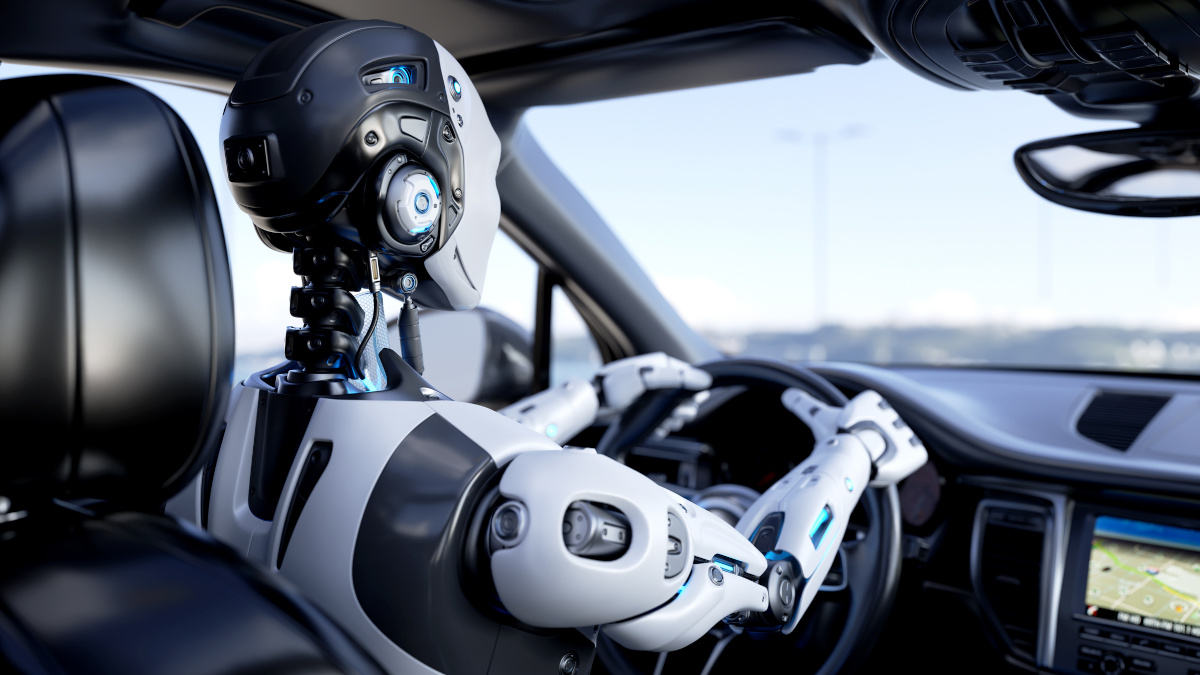
Engineering Biology for the Circular Bioeconomy
Engineering biology is creating new ways to convert renewable resources and waste streams into valuable products, supporting the development of sustainable, circular bioeconomic systems. This Collection highlights research on engineered organisms, waste‑to‑value pathways, and low‑carbon bioprocess design, with a focus on innovations that improve efficiency, resilience, and resource recovery in circular biomanufacturing.
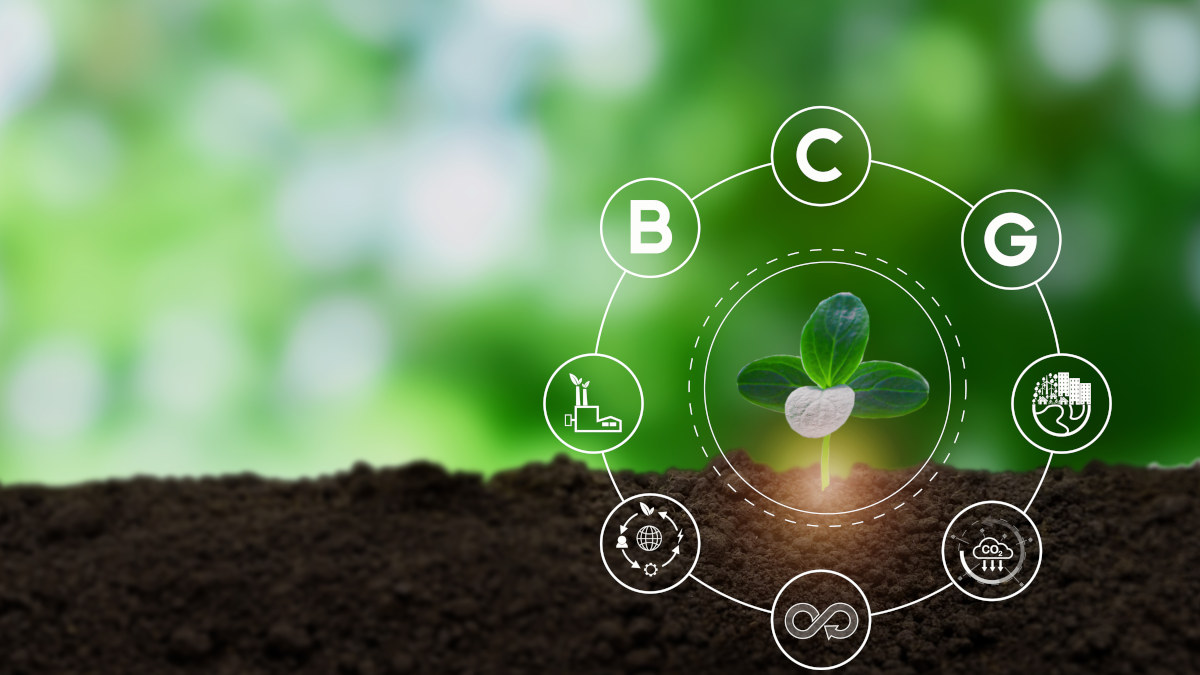
AI-enhanced cyber-physical power and energy systems
AI‑driven methods are transforming decision‑making in large‑scale cyber‑physical systems, enabling distributed, intelligent coordination among autonomous agents operating under uncertainty and dynamic conditions. This Collection focuses on research that uses physical systems to validate multi‑agent coordination and advanced decision‑making approaches in complex environments.

Graph neural network for recommender systems
Recommender systems increasingly rely on Graph Neural Networks to capture complex, higher‑order relationships that enable more personalised and effective information services. This Collection showcases real‑world research advancing GNN‑based recommendation, highlighting innovations in graph representation learning and modelling heterogeneous user–item interactions.

AI-powered energy forecasting in smart grids
AI‑driven and data‑centric methods are becoming essential for forecasting in increasingly decentralised, renewable‑rich smart grids, where stability and efficiency depend on accurate, adaptive predictions. This Collection highlights research on machine‑learning‑based energy forecasting — from load and renewable generation prediction to real‑time analytics and uncertainty‑aware models — with an emphasis on approaches validated in real‑world smart grid environments.

Turbulence modeling and control in complex flows
Turbulence modelling and control remain central challenges in fluid mechanics, underpinning performance, efficiency, and environmental impact across engineering and natural systems. This Collection highlights advances in turbulence prediction and manipulation — from novel models and hybrid, data‑driven simulation frameworks to experimentally validated control strategies — with particular interest in scalable, robust approaches for complex, multiphase and compressible flows.

Energy storage and battery technologies
Battery storage technologies are advancing rapidly, driven by innovations in materials, cell and pack design, and performance optimisation across emerging chemistries such as lithium‑ion, solid‑state, sodium‑ion, metal–air and multivalent systems. This Collection highlights cutting‑edge research on electrode and electrolyte materials, fast‑charging mechanisms, degradation and thermal management, safety strategies, and scalable manufacturing, recycling and second‑life pathways for durable, sustainable next‑generation energy storage.

Bioprocessing 4.0: Data-Driven Industrial Biotechnology
Bioprocessing 4.0 combines digital technologies with industrial biotechnology to create smarter, more adaptive and efficient biomanufacturing systems. This Collection highlights data‑driven advances such as digital twins, automation, advanced sensing, AI‑enabled optimisation and integrated control strategies that deliver measurable improvements in efficiency, robustness or scalability in next‑generation bioprocessing.


I am a Commissioning Editor in the Fully OA Brands team at Springer Nature, working on themed Collections in Scientific Data and Scientific Reports. I previously worked as a Publishing Assistant for BMC and hold a bachelor's degree in Biochemistry from Newcastle University.
Follow the Topic
-
Scientific Reports
An open access journal publishing original research from across all areas of the natural sciences, psychology, medicine and engineering.
-
A Collection of original research articles that advance biological and hybrid engineering approaches for circular, low-carbon biomanufacturing.
-
A Collection of original research articles that bring together AI and cyber-physical power systems to enhance stability, reliability, efficiency, and security of systems.
-
A Collection of original research articles on design and implementation of humanoid robots.
-
A Collection of original research articles that leverage real-world applications to explore the use and advancement of Graph Neural Networks in recommendation systems.
-
A Collection of original research articles on artificial intelligence and machine learning approaches for energy forecasting in smart grids.

Related Collections
With Collections, you can get published faster and increase your visibility.
Phytochemicals and health
Publishing Model: Open Access
Deadline: Oct 28, 2026
Cancer Prevention and Control
Publishing Model: Hybrid
Deadline: Feb 19, 2027