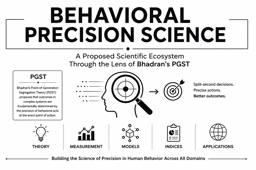
Enhancing Public Health and Environmental Safety through Onsite Waste Segregation in Animal Research Facilities
Published in Biomedical Research, Public Health, and Behavioural Sciences & Psychology

Why Onsite Waste Segregation Matters in Animal Research Facilities
Animal research facilities play a crucial role in advancing biomedical science. Research conducted in these facilities contributes to major breakthroughs in drug development, vaccine research, cancer treatment, and the understanding of complex diseases. Through carefully controlled experimental environments, animal studies help scientists explore biological mechanisms that ultimately support improvements in human and veterinary medicine.
However, alongside these scientific contributions lies an important operational responsibility that often receives less attention: biomedical waste management.
Animal research facilities generate a wide range of waste streams, including infectious biological materials, sharps, chemical reagents, pharmaceutical residues, animal tissues, and contaminated bedding. Managing these wastes safely is essential not only for maintaining laboratory operations but also for protecting workers, surrounding communities, and the environment.
Our recent study, Enhancing public health and environmental safety through onsite waste segregation in animal research facilities, examines how onsite waste segregation can significantly improve public health protection and environmental safety in these specialized research environments.
The importance of segregation at the point of generation
Biomedical waste management systems typically involve several stages, including collection, storage, transportation, treatment, and final disposal. While each stage is essential, the effectiveness of the entire system largely depends on the initial segregation of waste at the point where it is generated.
In practical terms, this means that the moment a researcher, laboratory technician, or animal handler discards waste after a procedure becomes a critical step in the waste management chain.
If waste is incorrectly segregated at this stage, downstream processes cannot fully correct the mistake. For example, non-infectious waste mixed with infectious waste increases treatment requirements and operational costs. Conversely, infectious materials disposed of in general waste streams may create potential safety risks for waste handlers and sanitation workers.
These seemingly minor mistakes can therefore have significant downstream consequences across the waste management system.
Unique challenges in animal research facilities
Animal research facilities present unique challenges for biomedical waste management compared with standard hospital environments.
In hospitals, waste streams are primarily generated through patient care activities such as surgical procedures, diagnostics, and clinical treatments. In contrast, animal research environments combine laboratory experimentation with animal husbandry, creating more diverse waste sources.
Examples include:
- Experimental procedures involving biological agents
- Drug and vaccine testing
- Routine animal care and cage maintenance
- Laboratory diagnostics and sample analysis
Each of these activities produces different waste categories that require specific handling and disposal pathways. This diversity increases the complexity of waste segregation and highlights the importance of clear protocols and effective waste management systems.
Protecting occupational health and safety
Improper biomedical waste segregation can expose workers to significant occupational hazards. Researchers, laboratory technicians, animal handlers, and sanitation staff may all encounter risks if hazardous waste is not properly contained.
Sharps injuries remain a well-recognized risk in biomedical environments. Similarly, exposure to infectious biological materials may occur if contaminated waste is mishandled during collection, transport, or disposal.
Effective segregation at the point of generation reduces these risks by ensuring that hazardous materials are correctly identified and placed into appropriate waste streams.
By strengthening segregation practices, research institutions can significantly improve occupational safety and reduce potential health risks for personnel working within these environments.
Environmental implications of biomedical waste
Biomedical waste management also carries important environmental implications. Improper handling or disposal of hazardous waste can contribute to environmental contamination through soil pollution, water contamination, or emissions generated during waste treatment processes.
Mixing incompatible waste streams may also increase the environmental burden of treatment methods such as incineration or chemical processing.
Onsite waste segregation helps minimize these impacts by ensuring that each waste category follows an appropriate treatment pathway. When waste streams remain properly separated, treatment systems can operate more efficiently while reducing environmental risks.
In this way, effective segregation supports broader goals of environmental protection and sustainable waste management practices.
Strengthening institutional waste management systems
Improving biomedical waste segregation in animal research facilities requires a combination of institutional policies, infrastructure, and staff awareness.
Facilities that maintain effective waste management systems typically implement several key practices.
First, clear waste segregation protocols aligned with regulatory guidelines help ensure that staff understand the correct disposal pathways for different waste categories.
Second, regular staff training programs help reinforce proper waste handling practices among researchers, technicians, and animal care personnel.
Third, accessible infrastructure, including properly labeled waste containers and disposal stations, ensures that staff can easily follow segregation procedures during routine work activities.
Finally, monitoring and compliance mechanisms, such as waste audits and internal reviews, help identify potential segregation errors and support continuous improvement in waste management practices.
Together, these strategies create an operational environment that supports safer and more effective waste management.
Waste management as part of responsible research practice
Animal research facilities operate under strict ethical and regulatory oversight. Responsible research practices extend beyond experimental design and animal welfare considerations to include environmental stewardship and occupational safety.
Maintaining high standards in biomedical waste management reflects an institution’s commitment to protecting workers, safeguarding ecosystems, and ensuring responsible scientific practice.
Strengthening waste segregation practices therefore contributes not only to safer laboratory environments but also to the overall credibility and accountability of biomedical research institutions.
Looking ahead
As biomedical research continues to expand globally, the volume and diversity of waste generated in research facilities are also likely to increase. Addressing these challenges will require continuous attention to operational practices within laboratories and animal research units.
Future improvements may involve enhanced training strategies, improved waste monitoring systems, and greater integration of operational insights into laboratory waste management practices.
Ultimately, effective biomedical waste management begins with a simple yet critical step: correct segregation at the point where waste is first generated.
Closing perspective
This work also complements our earlier research on behavioral aspects of biomedical waste management, including the development of Bhadran’s Point-of-Generation Segregation Theory (PGST). Together, these studies highlight how both institutional systems and human decision-making at the point of waste generation influence the safety and effectiveness of biomedical waste management practices.
Read the full article:
https://link.springer.com/article/10.1186/s12982-026-01641-7

Dr. Renjith Seela Bhadran is an Indian academic, public health researcher, and developer of Bhadran's Point-of-Generation Segregation Theory (PGST). His research integrates behavioural science, public health, environmental health, implementation science, and systems thinking to address complex challenges in healthcare waste management, environmental exposure prevention, and precision public health. He is an Assistant Professor in the Department of Public Health, Amrita School of Medicine, Amrita Vishwa Vidyapeetham, Kochi, India, where he primarily teaches Social and Behavioral Science to healthcare students.
Dr. Bhadran completed his Doctor of Philosophy (PhD) at Amrita School of Medicine, Amrita Vishwa Vidyapeetham, where his doctoral research led to the development of Bhadran's Point-of-Generation Segregation Theory (PGST), a behavioural systems framework that conceptualises biomedical waste segregation as a precision-dependent behavioural process occurring at the moment of waste generation. The theory introduces analytical constructs such as the Precision Behaviour Score (PBS; Bhadran's Score) and Moment-Based Precision Behavioural Fidelity (MBPBF) to evaluate behavioural precision during critical waste segregation tasks, together with the Behavioural Drift concept to monitor system performance and support continuous quality improvement over time.
Building upon PGST, Dr. Bhadran further developed the Global Segregation Safety Scale (GSSS; Bhadran's Scale), a structured benchmarking framework designed to classify institutional segregation performance and facilitate international comparisons in biomedical waste management practices. By reframing biomedical waste segregation as a behavioural decision-making process rather than solely an operational activity, PGST provides a novel interdisciplinary perspective linking healthcare worker behaviour, environmental sustainability, occupational safety, and public health protection.
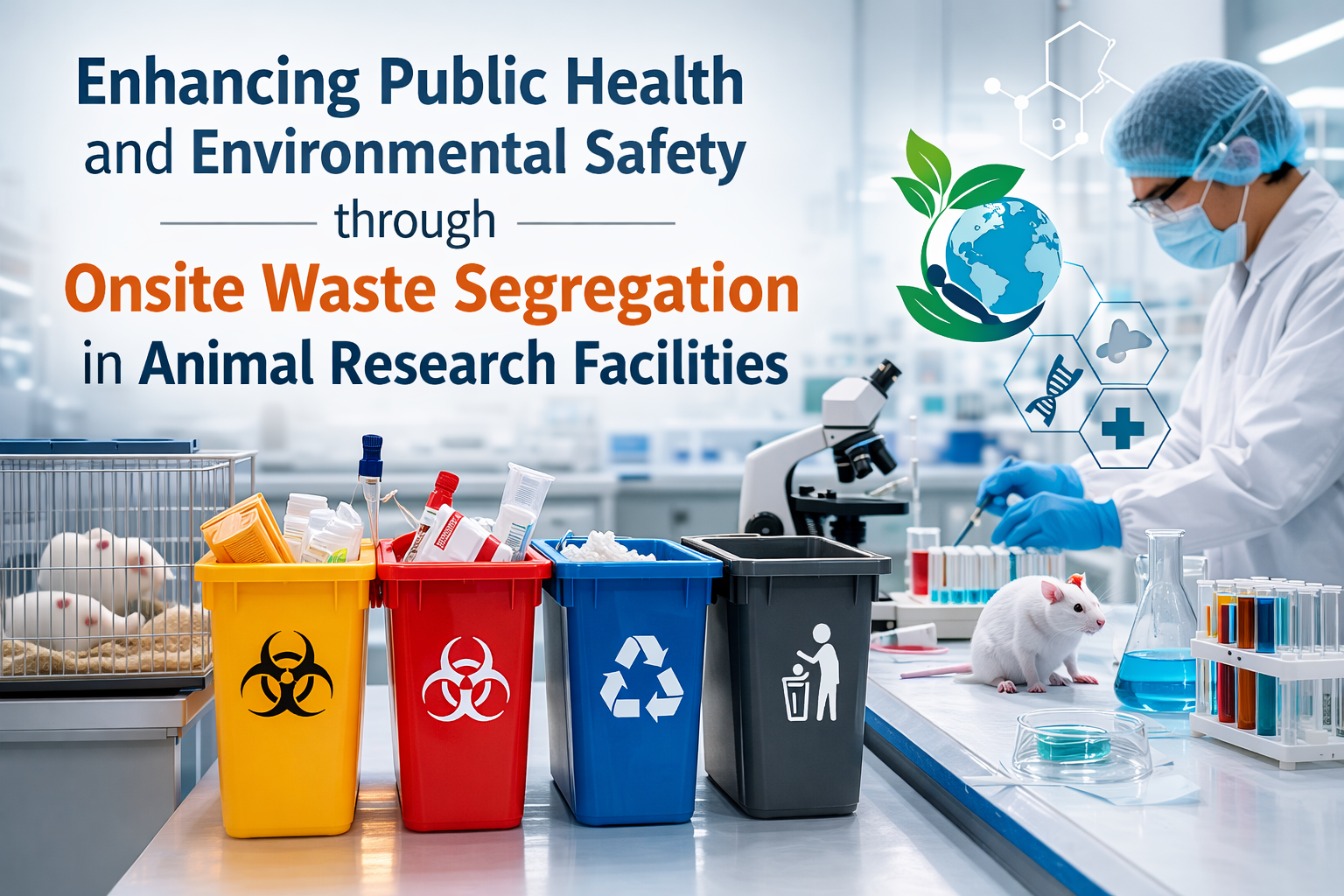
Dr. Bhadran's research has subsequently evolved into the PGST Scientific Ecosystem, an integrated body of interconnected theories, behavioural metrics, conceptual frameworks, and systems-level constructs centred on Bhadran's Point-of-Generation Segregation Theory (PGST). This ecosystem includes the Precision Behaviour Score (PBS) as a quantitative behavioural precision metric for identifying split-second execution accuracy during critical operational tasks; the Point-of-Generation Systems Approach (PGSA); the Behavioural Drift concept; the Contamination Multiplier; the Global Segregation Safety Scale (GSSS); the Behavioural Exposome; the Behavioural Precision–Exposure–Disease Continuum; the Point-of-Generation Segregation Theory–Breast Cancer Environmental Exposure Pathway Framework (PGST–BCEEPF); and other complementary theoretical and methodological developments. Collectively, these interconnected contributions establish the scientific foundation for the emerging interdisciplinary field of Precision Behaviour Science, which integrates behavioural science, implementation science, human factors engineering, systems safety, environmental health, exposomics, and precision public health. The PGST Scientific Ecosystem proposes measurable behavioural precision as an upstream determinant of environmental exposure generation, institutional safety, healthcare quality, and disease prevention, with potential applications across healthcare systems, environmental management, biosafety, occupational health, public health, and other safety-critical industries.
Prior to his doctoral research, Dr. Bhadran earned a Master of Science in Public Health (MSc PH) from the University of Bedfordshire and an MBA from the University of Nottingham, United Kingdom. His academic training reflects a multidisciplinary perspective that combines public health systems analysis, behavioural science, environmental sustainability, and management sciences. His early research focused on onsite biomedical waste segregation challenges in healthcare facilities and subsequently expanded to investigate the cognitive, behavioural, and systems-level determinants influencing waste segregation practices at the point of generation.
Through his research, Dr. Bhadran continues to advance the integration of behavioural systems science with environmental health and precision public health, with the long-term objective of establishing Precision Behaviour Science as a transformative interdisciplinary research domain for improving behavioural reliability, reducing environmental exposure, strengthening institutional safety, and informing evidence-based public health policy.
Follow the Topic
-
Discover Public Health
This is an open access journal publishing research from all fields relevant to public health.

Related Collections
With Collections, you can get published faster and increase your visibility.
The Economics of Longevity: Health Expenditure and Societal Implications for Public Health Systems
The relationship between health investment and life expectancy has long been a focal point in public health research and policy. As nations grapple with rising healthcare costs and varying health outcomes, understanding how financial allocations influence population health becomes increasingly critical. Numerous studies have illustrated that increased spending on health services often correlates with improvements in life expectancy; however, the complexities of this relationship are not fully understood. Factors such as socioeconomic status, healthcare accessibility, and the efficiency of health systems play significant roles in determining how investments translate into health outcomes.
At the national level, health investments primarily encompass government expenditure on healthcare systems, public health initiatives, and health infrastructure. Nations that allocate substantial resources toward healthcare often experience better health outcomes and increased life expectancy among their populations. For instance, countries with robust healthcare funding tend to provide more comprehensive services, including preventive care, chronic disease management, and health promotion programs, all of which contribute to enhanced population health. However, it is crucial to consider how these investments are distributed across different segments of the population. Inequities in health spending can exacerbate existing disparities, leading to significant differences in life expectancy among various demographic groups. Effective health investment strategies must address these disparities to ensure that improvements in life expectancy are equitable and inclusive.
The motivation for this Collection arises from the urgent need to bridge the gap between health expenditures and tangible improvements in life expectancy. Recent global health crises and ongoing disparities in health outcomes across different populations have underscored the necessity for a deeper exploration of how resource allocation affects health dynamics. This Collection seeks to provide a platform for researchers and practitioners to discuss empirical evidence, theoretical frameworks, and innovative approaches to understanding these critical interactions. By fostering dialogue around effective health investment strategies, we aim to contribute to the development of more equitable and efficient health systems worldwide.
The purpose of this Collection is to gather comprehensive research that elucidates the dynamics between health investment and life expectancy across diverse contexts. We welcome contributions that analyze historical trends, comparative studies, and policy evaluations, as well as those that explore the implications of financial investments on health equity. By highlighting interdisciplinary perspectives and fostering collaboration, this Collection aspires to advance the discourse on optimizing health investments for improved population health outcomes.
Topics of interest include, but are not limited to:
- Economic evaluations of health interventions
- Policy impacts on health spending and life expectancy
- Health equity and investment disparities
- Longitudinal studies on health expenditures and population health
This Collection supports and amplifies research related to SDG 3.
Keywords: health expenditure; healthcare economics; life expectancy; economic evaluation; population health; health investment; health policy
Publishing Model: Open Access
Deadline: Dec 31, 2026
Improving Maternal and Infant Health: The Key for Future Wellness
Optimizing health across the life course begins with ensuring equitable, high-quality care during pregnancy, childbirth, and early infancy. Evidence increasingly demonstrates that early-life exposures and experiences are critical determinants of long-term health, shaping risks for chronic disease, developmental outcomes, and overall well-being. Despite progress, disparities in maternal and infant health outcomes persist globally, underscoring the need for innovative, scalable, and evidence-based public health interventions.
This Collection aims to highlight interdisciplinary research and practice-based efforts that advance maternal and infant health from a public health perspective. We welcome contributions that examine population-level strategies, health systems strengthening, community-based interventions, and policy approaches designed to improve care during pregnancy, the birth hospitalization, and early infancy.
Submissions may include original research, implementation studies, and quality improvement initiatives that address prevention, access, equity, and health outcomes across diverse settings. By emphasizing early prevention and system-level improvements, this Collection seeks to contribute to reducing the burden of chronic disease and improving health trajectories across the lifespan.
Topics of interest include, but are not limited to:
--Public health initiatives to improve maternal and pregnancy outcomes
--Community- and population-level strategies to enhance infant health and early development
--Health system and quality improvement interventions in maternal and neonatal care
--Educational and behavioral interventions targeting pregnant individuals, families, and caregivers
--Policies and programs addressing disparities in maternal and infant health
--Preventive approaches to improve early-life health and long-term outcomes
This Collection supports and amplifies research related to SDG 3: Good health and Well-Being.
Keywords: Maternal health; Infant health; Safer motherhood; Early-life health; Health services; Healthcare system; Public health
Publishing Model: Open Access
Deadline: Mar 17, 2027