Ethnobiology articles that captured media attention
Published in Social Sciences, Ecology & Evolution, and Microbiology

Plasmodial slime moulds (myxomycetes) in Swedish and Nordic folk biology
This captivating study explores the role of plasmodial slime moulds, or myxomycetes, in the folk biology of Nordic countries. These peculiar organisms, often overlooked due to their lack of practical use, played a surprisingly significant role in the folk biology and beliefs of pre-industrial Sweden and neighboring Nordic countries. This study has attracted attention from the media, including The Guardian that has mentioned it in this recent science opinion piece.
Fuligo septica, whimsically known as "scrambled egg slime", captured the imagination of Nordic peasants and was associated with supernatural malevolent beings. Imagine a hare or cat stealing milk or butter on behalf of a witch!
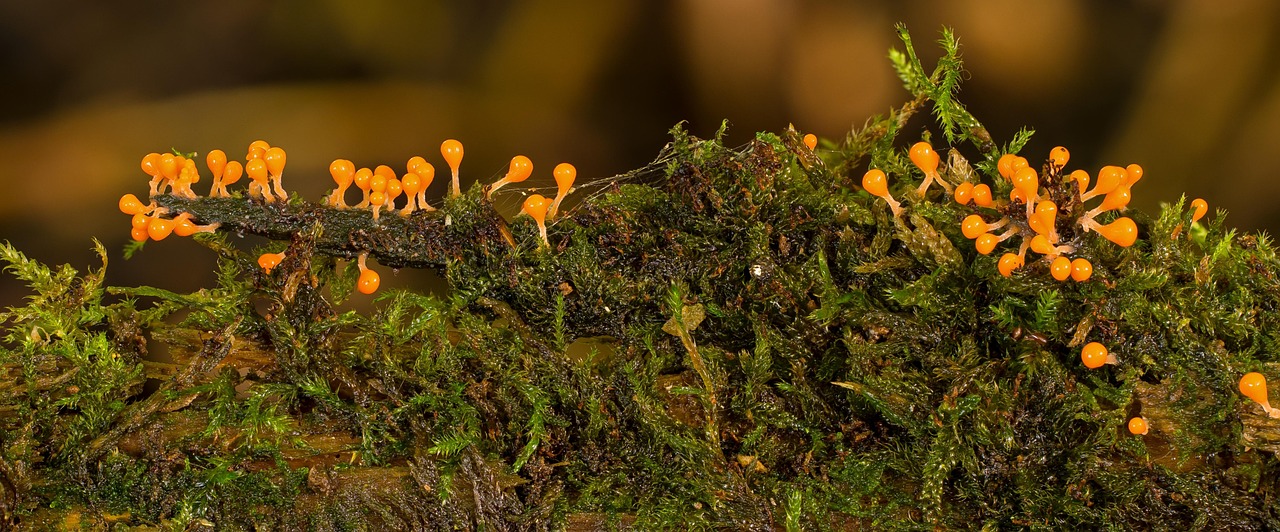
The sudden appearance of these strange, colorful shapes in damp weather sparked both fear and curiosity among the locals. These odd organisms demanded explanations, leading to fascinating interpretations and actions. The belief in the evil origins of slime led to some dramatic responses, including whipping and burning the organism. Talk about taking folklore seriously!
Two other taxa, Lycogala epidendron and Mucilago crustacea, also made appearances in folk biology, though data on them is sparse.
Media trends of this article on Altmetric
Advancing ethnobiology for the ecological transition and a more inclusive and just world: a comprehensive framework for the next 20 years
This thought-provoking paper brings together ethnobiologists from around the globe to chart a bold course for the next 20 years of ethnobiology. The authors emphasize the critical role of ethnobiology in addressing contemporary challenges such as biodiversity conservation, sustainable development, and the ecological transition.
The paper underscores the importance of collaborating with Indigenous Peoples and Local Communities (IPLCs), as well as Afro-descendants and other marginalized groups. These communities possess invaluable knowledge that can drive sustainable resource management and biodiversity conservation. A significant focus is placed on decolonizing the field, ensuring that research respects and integrates the perspectives and rights of local knowledge holders. This approach aims to rectify historical imbalances and promote more equitable practices.
As the authors outline a comprehensive framework for the future of this unique subject area, Ethnobiology is presented as a key to unlocking locally appropriate solutions to environmental challenges.
Media trends of this article on Altmetric
Female naturalists and the patterns of suppression of women scientists in history: the example of Maria Sibylla Merian and her contributions about useful plants
Dive into the captivating history of female naturalists and uncover the remarkable contributions of Maria Sibylla Merian, a pioneering scientist whose work on useful plants has been unjustly overshadowed. The study identifies 28 women naturalists who participated in scientific expeditions between the seventeenth and nineteenth centuries. These women documented botanical species, their everyday uses, and medicinal properties, often through illustrations and published works. Merian's groundbreaking book, Metamorphosis Insectorum Surinamensium, stands out for its detailed text and illustrations. Despite her significant contributions, Merian faced suppression and male depreciation, a common pattern for women scientists of her time.
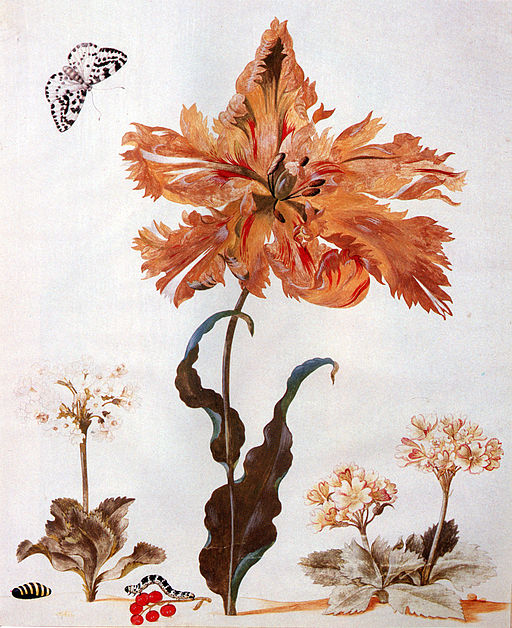
Maria Sibylla Merian, Public domain, via Wikimedia Commons
Media trends of this article on Altmetric
Haitian women in New York City use global food plants for women’s health
This insightful paper explores how Haitian women in New York City continue to use medicinal plants for women's health, blending traditional knowledge with their new urban environment. The study highlights the resilience and adaptability of cultural practices, emphasizing their relevance for a wider public interested in health, culture, and migration.
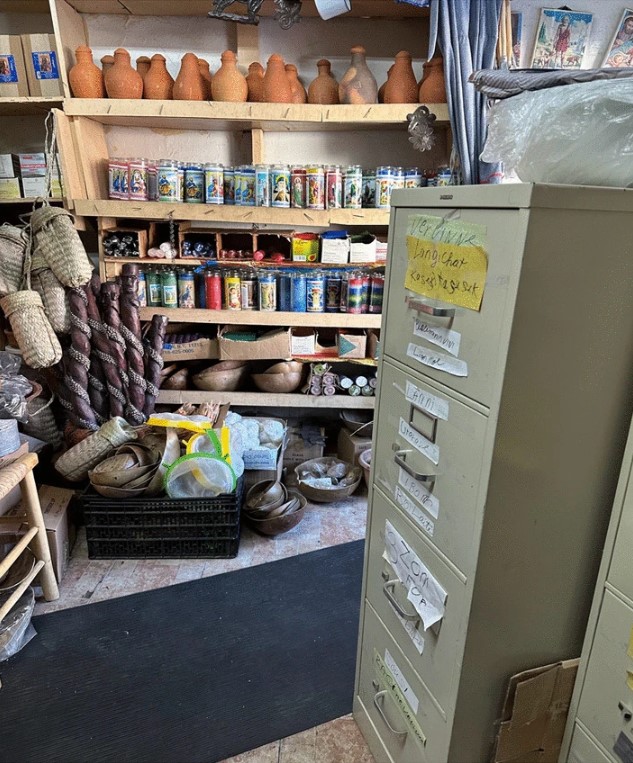
Despite the availability of mainstream biomedical healthcare, 83% of Haitian women in NYC continue using medicinal plants for women's health, showcasing the enduring importance of traditional practices. The study reveals that many of the medicinal plants used are also common food plants, underscoring the intertwined relationship between diet and health in Caribbean cultures. This connection highlights the broader relevance of food as medicine.
The research identifies key health concerns among Haitian women, such as childbirth, gynecological infections, and vaginal cleansing, which are addressed using these plants. This focus on women's health issues resonates with broader public health interests. By comparing the practices of Haitian women with those of other Caribbean immigrants in NYC, the study emphasizes the diversity within Caribbean ethnomedicine. This diversity challenges the notion of a monolithic "Caribbean" traditional knowledge system.
The findings suggest that healthcare providers can enhance their services by integrating culturally relevant practices and knowledge. This approach can lead to more effective and personalized healthcare strategies for immigrant communities.

I am an Executive Publisher for the BMC Academic Journals at Springer Nature. A linguist by background, I am an expert in academic publishing and an Open Access advocate. I am a fan of knowledge making us more open and more human.
Follow the Topic
-
Journal of Ethnobiology and Ethnomedicine
This journal publishes original research focusing on cultural perceptions of nature and of human and animal health. It invites research articles, reviews and commentaries concerning the investigations of the inextricable links between human societies and nature, food, and health.

Related Collections
With Collections, you can get published faster and increase your visibility.
Living Food Heritage: Ethnobiological Perspectives on Local Foods Across Cultures and Time
This Collection is dedicated to the memory of Dauro Mattia Zocchi (1990–2026), a researcher in food heritage at the University of Bergamo and the University of Pollenzo (Italy), whose work advanced critical perspectives on food heritage and processes of heritagization.
The Collection explores the evolving concept of food heritage through the lens of local foods, with particular attention to cross-cultural interpretation and temporal dynamics. Local foods are not treated as static artefacts rooted solely in place-based ecological knowledge or artisanal skills; rather, they are understood as living systems continuously reshaped by migration, globalization, environmental pressures, and socio-economic transformations.
Bringing together interdisciplinary perspectives, the Collection examines how local knowledge and food practices are interpreted, valued, and transformed across cultural contexts. It highlights how communities negotiate authenticity, identity, and sustainability while adapting culinary traditions to contemporary realities. Cross-cultural analyses reveal both shared dynamics and context-specific trajectories in the production, perception, and use of local foods.
A central focus is the temporal dimension of food heritage: how recipes, ingredients, techniques, and meanings evolve over time while maintaining connections to the past. The notion of dynamic continuity is proposed to capture how heritage persists not through static preservation, but through ongoing processes of adaptation, reinterpretation, and renewal.
Moreover, the Collection addresses how ethnobiological research on food heritage can be applied to concrete projects and initiatives aimed at improving the well-being of local and rural communities. Contributions engage with applied perspectives, highlighting the potential of local foods to support livelihoods, cultural resilience, and sustainable development.
In honoring Dauro Zocchi’s legacy, this Collection emphasizes the need to approach food heritage as a process rather than a fixed category. It calls for innovative methodological frameworks that integrate ethnobiological, cultural, historical, and ecological perspectives in order to better understand—and responsibly engage with—the role of local foods in a rapidly changing world.
All submissions in this Collection undergo the journal’s standard peer review process, and all manuscripts authored by a Guest Editor(s) are handled by the Editor-in-Chief. As an open access publication, this journal levies an article processing fee (details here). We recognize that many key stakeholders may not have access to such resources and are committed to supporting participation in this issue wherever resources are a barrier. For more information about what support may be available, please visit OA funding and support, or email OAfundingpolicy@springernature.com or the Editor-in-Chief.
Publishing Model: Open Access
Deadline: Mar 25, 2027
Ethnobiological Research in South and South East Asia
This collection seeks to advance ethnobiological research across South Asia and South East Asia—two regions rich in cultural and biological diversity yet underrepresented in global scholarship. By bringing together scientists from countries such as India, Pakistan, Nepal, Bangladesh, Sri Lanka, Bhutan, and the Maldives (South Asia), as well as Myanmar, Thailand, Laos, Cambodia, Vietnam, Malaysia, Singapore, Indonesia, Brunei, the Philippines, and Timor‑Leste (South East Asia), the collection aims to fill a critical gap in the literature while fostering collaborative networks that transcend political and social boundaries.
We invite contributions that explore:
- Traditional ecological knowledge
- Human–nature interactions
- The role of ethnobiology in addressing contemporary challenges, such as biodiversity conservation
- Ethnobiological perspectives on sustainable livelihoods
- Cultural heritage preservation in diverse and rapidly changing environments
Beyond advancing science, this collection aspires to serve as a bridge—supporting dialogue and cooperation among researchers in regions where collaboration is often difficult but deeply needed.
All submissions in this Collection undergo the journal’s standard peer review process, and all manuscripts authored by a Guest Editor(s) are handled by the Editor-in-Chief. As an open access publication, this journal levies an article processing fee (details here). We recognize that many key stakeholders may not have access to such resources and are committed to supporting participation in this issue wherever resources are a barrier. For more information about what support may be available, please visit OA funding and support, or email OAfundingpolicy@springernature.com or the Editor-in-Chief.
Publishing Model: Open Access
Deadline: Nov 27, 2026