Findings and lessons learned from developing a 5-year community-based intervention for preventing early marriage in rural Gambia
Published in Social Sciences and Research Data

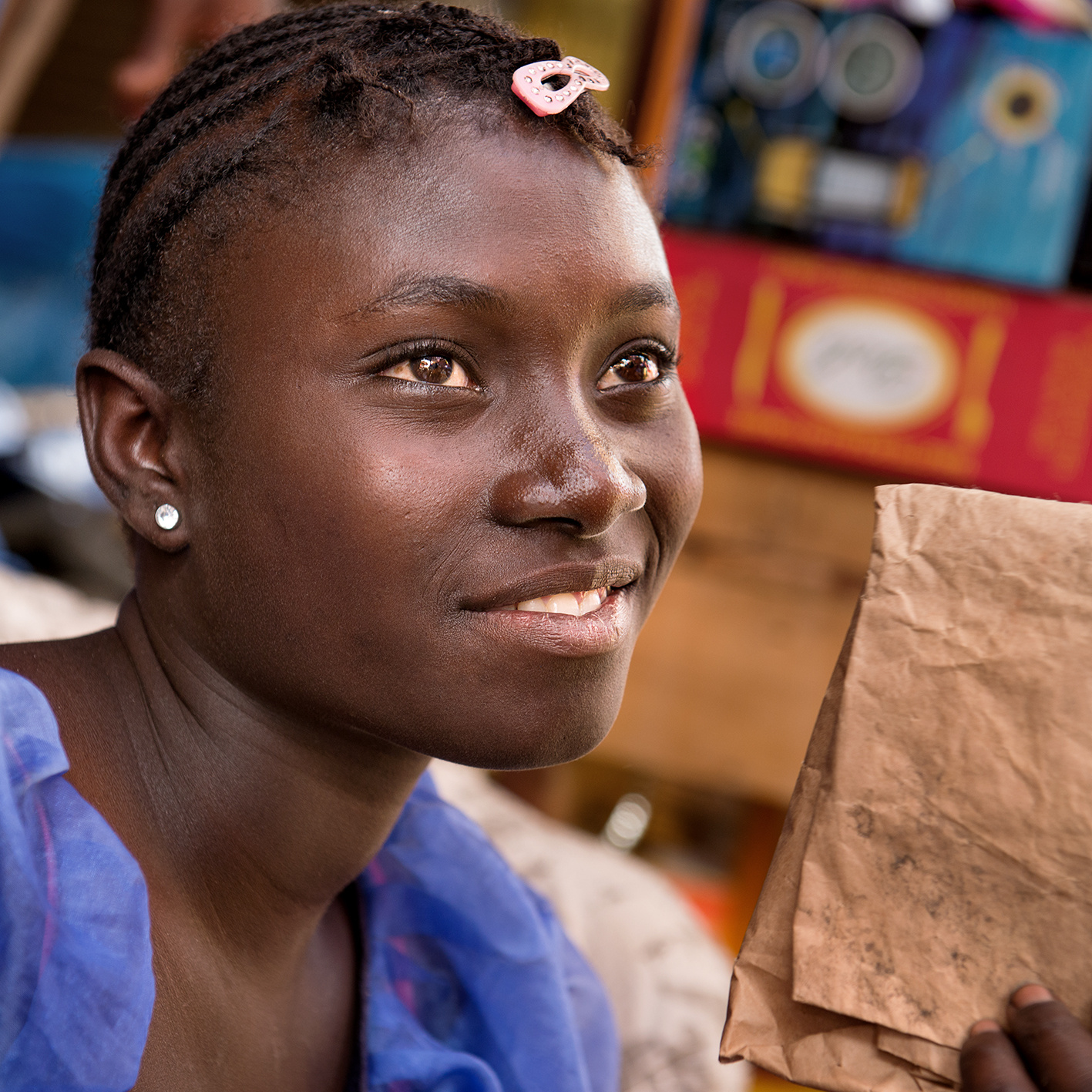




Early marriage defined as marriage before the age of 18 is a social problem affecting girls. It affects their health and undermines their personal development, thus preventing them from living prosperous and fulfilled lives.
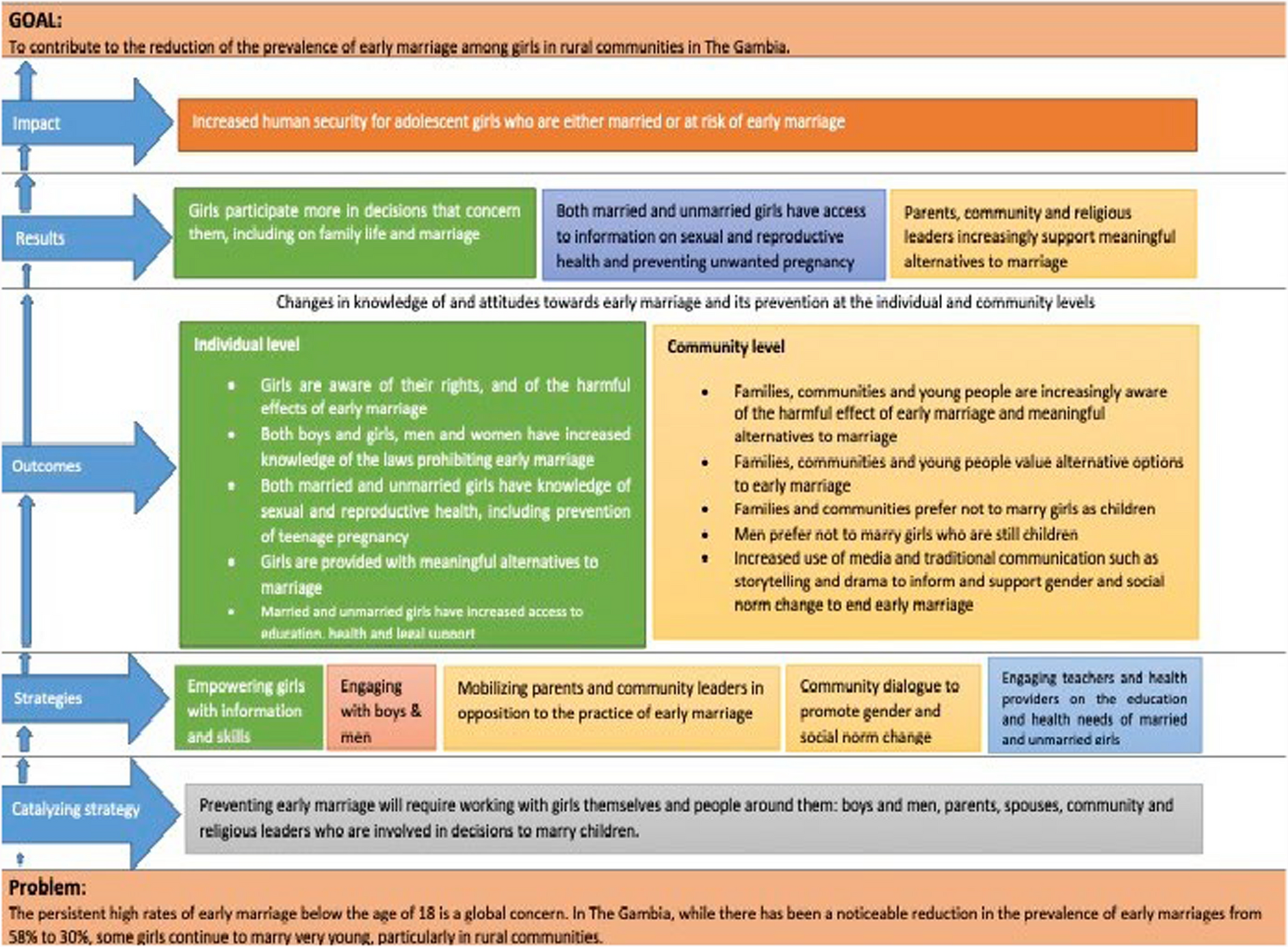
Early marriage although a common marital practice in The Gambian society has decreased significantly in recent years, and several strategies have contributed to this result: 1. school enrollment; 2) legislation against child marriage; 3) the general civil society and socially active associations. However, more efforts need to be done, such as having a gender culture transformation to impact in cultural norms and provide girls with decision-making capacity regarding who and when to get married.
This "behind the paper" blog post discusses a five-year community-based intervention titled "Preventing Early Marriage in Rural Gambia: Testing an Intervention." The project aimed to address the issue of early marriage among girls in 53 rural communities in The Gambia.. At baseline, the aim of the project was to identify the social and cultural factors that contribute to early marriage for girls aged 10–19. The baseline findings revealed that factors such as ethnicity and parents' concerns about their daughters engaging in premarital sex were significant contributors to early marriage for girls. Additionally, the lack of viable alternatives to marriage was also identified as a key factor. This information was utilized by the project team to iteratievly design and implement the project intervention that included community engagement forums and discussion sessions and capacity building for key community stakeholders.
After five years of successfully implementing the project intervention, we conducted an assessment to evaluate its impact on the age of girls at their first marriage and the changes in parents' knowledge and attitudes toward early marriage and its prevention. The study utilized a non-experimental design, comparing baseline and endline data collected before and after the intervention.
The study results showed a significant increase in the average age of girls at first marriage, from 15.9 at baseline to 23.9 years at endline (P < 0.0001). Additionally, parents who actively participated in the community engagement forums and discussions have significantly improved their understanding of the harmful effects of early marriage on girls. This new knowledge has empowered these parents to re-evaluate the necessity of early marriage for girls.
A key lesson we learned from developing this project intervention is that locally-based interventions, carefully designed and implemented with meaningful participation from key community stakeholders, have the potential to address the underlying causes of early marriage for girls in rural communities in The Gambia.
Dr. Mat Lowe, PhD is a social scientist-researcher with vast experience in gender, public health, population, and development practice. He has extensive experience working with women in the communities, and his broad implementation research portfolio in The Gambia includes studies to:
- increase the human security of married adolescent girls and girls at risk of child marriage and teenage pregnancy;
- strengthen access to quality comprehensive sexual and reproductive health education, information, and services for in and out-of-school adolescents in The Gambia;
- promote birth preparedness and complication readiness (BP/CR) among pregnant women and husbands’ involvement in these activities through gender transformative approaches;
His research expertise is rooted in both qualitative and quantitative methodologies , with a focus on the social and cultural factors influencing adolescents' and women's health and well-being. Dr. Mat Lowe has completed numerous research consultancies for international organizations and United Nations agencies, including The Freedom Fund in Uganda, Samuel Hall in Senegal, the International Organization for Migration (IOM) and UNICEF in The Gambia, and the United Nations Population Fund (UNFPA) in Iraq. He has authored more than twenty scientific publications in international peer-reviewed journals, including BMC Reproductive Health, PLOS ONE, the African Journal of Reproductive Health, and the Journal of Global Health.
Follow the Topic
-
Reproductive Health
This journal focuses on all aspects of human reproduction, including adolescent health, female fertility, contraception, and maternal health and all articles are open access.

Related Collections
With Collections, you can get published faster and increase your visibility.
Adolescent Sexual and Reproductive Health, Agency, and Protection
Adolescence is a critical period for reproductive health, wellbeing, and future life opportunities. Yet adolescents often face significant barriers to accurate information, protective services, bodily autonomy, and confidential, youth-friendly care. This Collection seeks to highlight research on adolescent reproductive health, agency, and protection, particularly in settings where gender inequality, poverty, stigma, restrictive norms, harmful practices, limited health system capacity, and intersecting forms of exclusion shape young people's reproductive choices, safety, and outcomes.
Progress in adolescent sexual and reproductive health has been driven by investments in comprehensive sexuality education, youth-friendly services, prevention of child marriage and female genital cutting, and gender-transformative programming. However, major challenges persist, including adolescent pregnancy, interpersonal violence (intimate partner violence, dating violence, family violence, sexual coercion, and peer violence), unmet need for services, school dropout, harmful practices, and limited autonomy in decision-making. Adolescents affected by displacement, disability, poverty, humanitarian crises, migration, ethnic minority status, or social marginalization may face compounding and intersecting risks that require tailored, context-sensitive, inclusive, and equity-oriented responses.
A growing body of evidence emphasizes the importance of adolescent agency, empowerment, and resilience as both outcomes and protective factors. Interventions that adopt gender-transformative approaches, utilize social and behavior change communication, address intersecting inequalities, and actively engage young people in design and implementation show promise in shifting harmful norms and improving health outcomes. Continued research is needed to understand how different intervention modalities affect adolescent reproductive health, safety, and empowerment across diverse contexts and among adolescents who are often underserved or excluded from mainstream services.
Future studies may evaluate multi-component interventions that integrate education, health services, community engagement, legal protection, economic strengthening, and social norm change. Evidence generated with meaningful adolescent participation and grounded in local realities will be essential to design services and programs that are acceptable, inclusive, effective, and sustainable.
In this Collection, we invite submissions covering a range of topics, including but not limited to:
Reproductive Health and Services
- Adolescent pregnancy prevention, care, support, and social consequences
- Access to contraception, counselling, and youth-friendly reproductive health services
- Comprehensive sexuality education and school-based reproductive health interventions
- Menstrual health, school participation, and adolescent wellbeing
Harmful Practices and Violence
- Female genital cutting/mutilation: prevalence, consequences, prevention, and support for affected adolescents
- Child marriage prevention and response
- Interpersonal violence, including intimate partner violence, family violence, sexual coercion, and peer violence
- Linkages between violence, harmful practices, and reproductive health outcomes
Agency, Empowerment, and Resilience
- Adolescent agency, decision-making, and reproductive autonomy
- Resilience, coping strategies, and protective factors among adolescents facing adversity
- Gender-transformative interventions and approaches
- Social and behavior change communication strategies targeting adolescents, families, and communities
Intervention Research and Implementation
- Multi-component and integrated intervention models
- Community-based, school-based, health facility-based, and digital interventions
- Intervention effectiveness across different contexts and populations, including adolescents living with disabilities, migrants, ethnic minorities, and other socially marginalized groups
- Implementation science and scale-up of evidence-based programs
Equity and Context
- Adolescent reproductive health in humanitarian, displacement, migrant, and low-resource settings
- Intersecting vulnerabilities: disability, poverty, migration status, ethnic minority status, social marginalization, and other forms of exclusion
- Participatory and adolescent-centered research methodologies, including inclusive approaches that meaningfully engage adolescents from socially marginalized populations
This Collection supports and amplifies research related to SDG 3, Good Health and Well-Being and SDG 5, Achieve gender equality and empower all women and girls.
All submissions in this Collection undergo the journal’s standard peer review process. Similarly, all manuscripts authored by a Guest Editor(s) will be handled by the Editor-in-Chief. As an open access publication, this journal levies an article processing fee. We recognize that many key stakeholders may not have access to such resources and are committed to supporting participation in this issue wherever resources are a barrier. For more information about what support may be available, please visit OA funding and support, or email OAfundingpolicy@springernature.com or the Editor-in-Chief.
Publishing Model: Open Access
Deadline: Apr 30, 2027