Fluids and Barriers of the CNS & Hydrocephlus Society Young Investigator Awards 2026
Published in Neuroscience
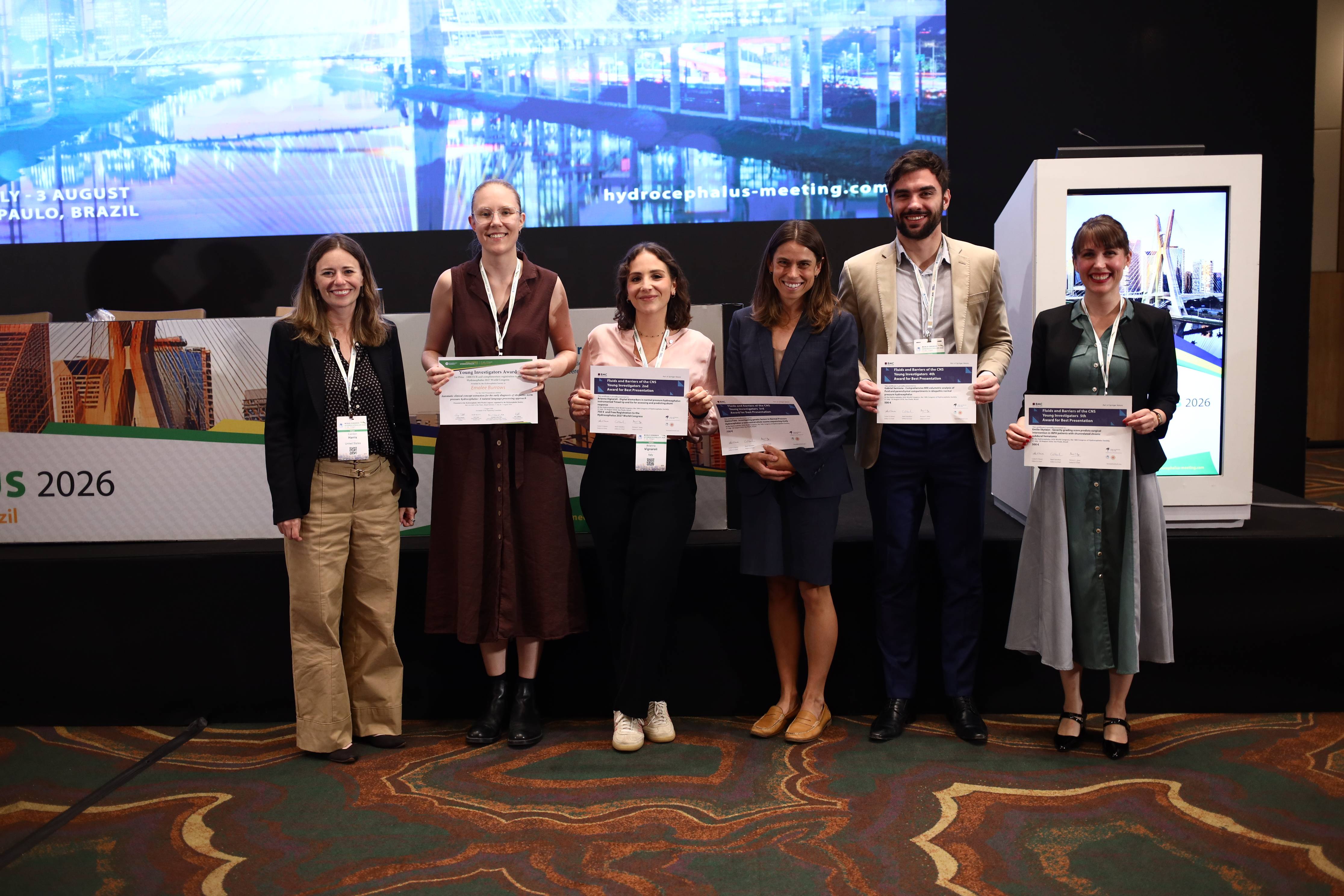





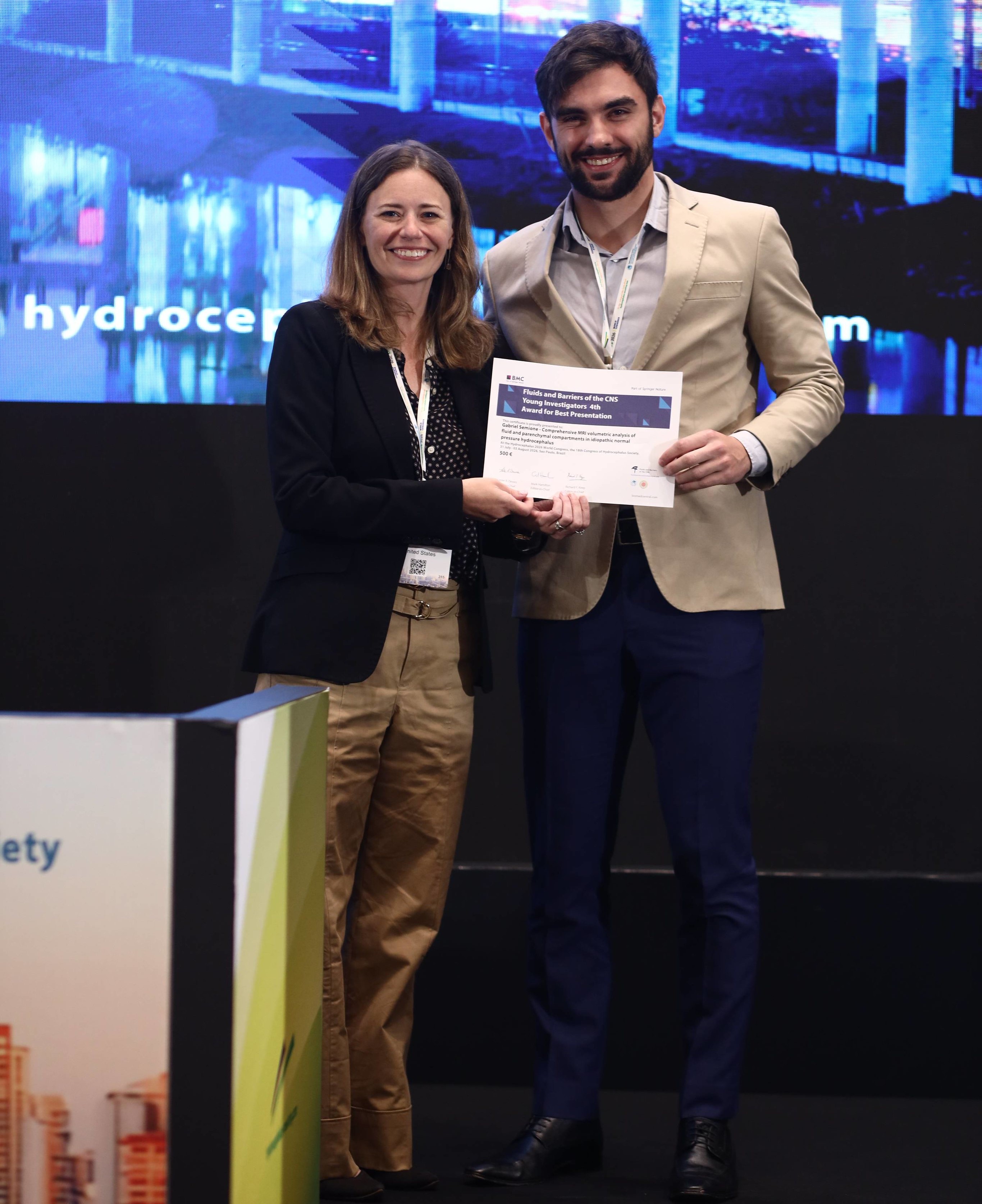
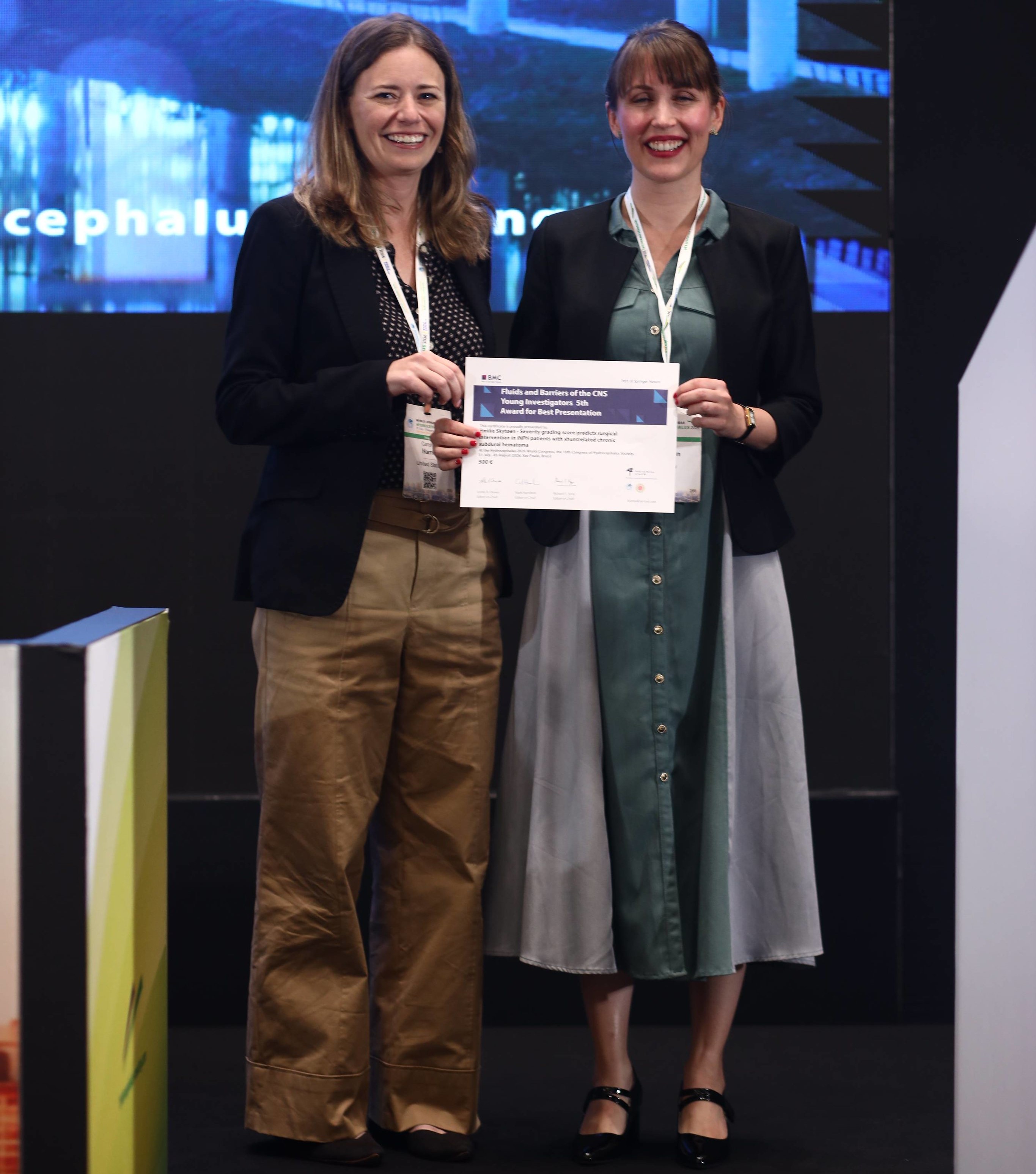
Each year Fluids and Barriers of the CNS sponsors a Young Investigators Award in partnership with the Hydrocephalus Society. This year we were proud to award prizes to the following young investigators at the World Hydrocephalus Congress in São Paulo, Brazil on 31 July - 3 August, 2026.
Congratulations from the Journal Editors to:
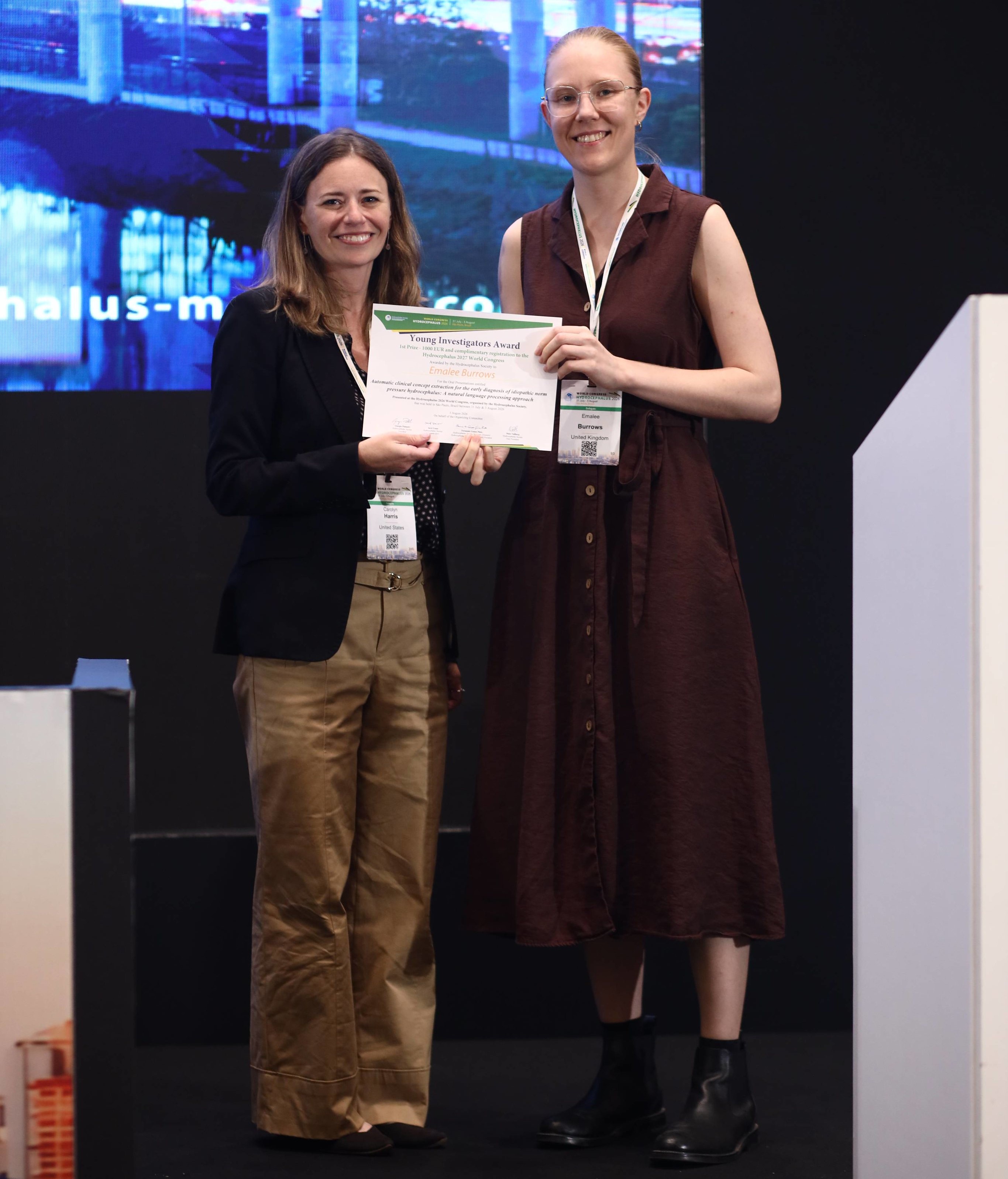
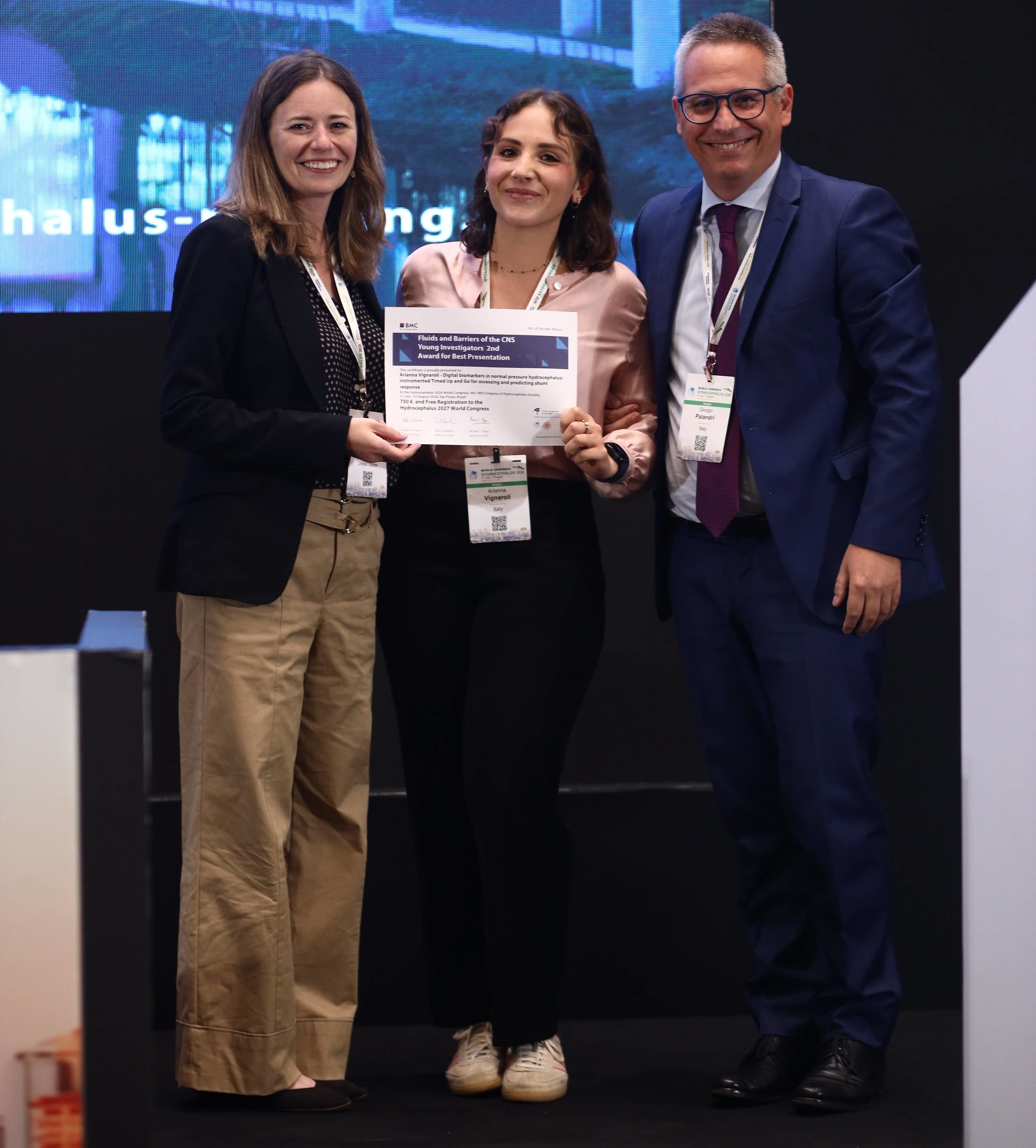
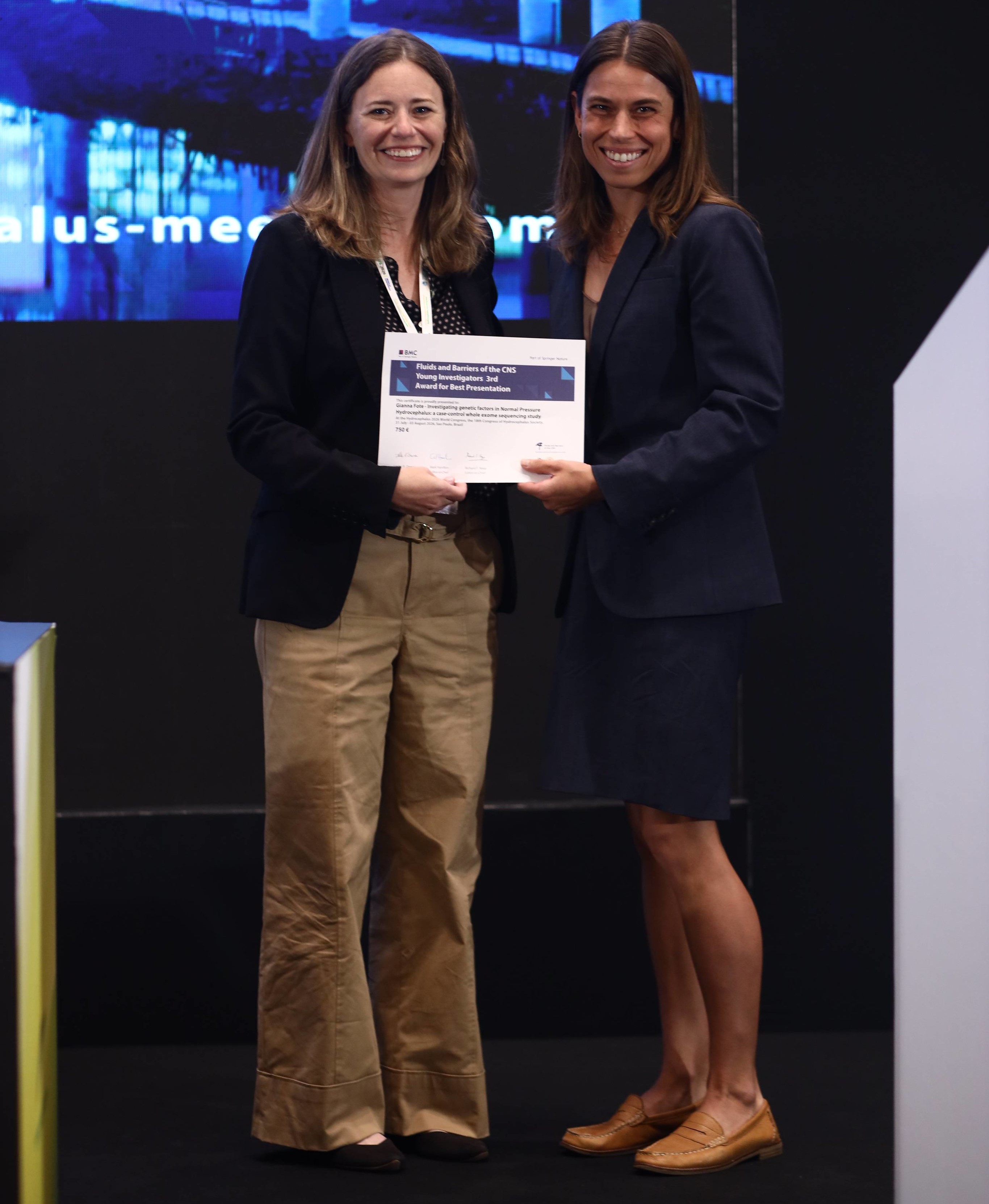

Freyja has a BSc in Zoology, and an MSc in the History of Science, Technology and Medicine from The University of Manchester. She currently works as an Associate Publisher for BMC's open access portfolio.
Follow the Topic

Related Collections
With Collections, you can get published faster and increase your visibility.
Incretin Hormones and Incretin Receptor Agonists in CNS and Brain-Barrier Biology
Glucagon-like peptide-1 (GLP-1), glucose-dependent insulinotropic polypeptide (GIP), and their analogs, the incretin receptor agonists (IRAs), are increasingly recognized for their roles beyond metabolic regulation, with growing relevance to brain function and brain-barrier biology. In the central nervous system (CNS), GLP-1 and GIP signaling modulate neuronal activity, neuroprotection, and metabolic sensing, while also influencing the specialized barrier systems that preserve brain homeostasis. These include the blood–brain barrier (BBB), blood–cerebrospinal fluid (CSF) barrier (BCB), and associated vascular and epithelial interfaces, which regulate molecular transport, nutritional support, immune surveillance, homeostasis, and fluid dynamics.
Emerging evidence indicates that GLP-1/GIP pathways contribute to brain-barrier integrity, vascular health, and neuroinflammatory processes, linking systemic metabolism with CNS function. At the same time, GLP-1 receptor agonists offer promising therapeutic potential for neurological and neurodegenerative disorders. This Collection seeks contributions that integrate molecular, cellular, and translational perspectives to advance understanding of GLP-1/GIP/IRA biology across CNS and brain-barrier systems in health and disease.
Topics of Interest:
- GLP-1 and GIP receptor expression and signaling in neurons, glia, and barrier cells
- Transport and CNS accessibility of GLP-1, GIP, and the IRAs
- Effects of GLP-1, GIP, and IRA signaling on BBB and BCB integrity
- Interactions between GLP-1/GIP/IRA pathways, neuroinflammation, and vascular function
- Therapeutic applications of IRAs in neurological disorders
All submissions in this collection undergo the journal’s standard peer review process. Similarly, all manuscripts authored by a Guest Editor(s) will be handled by the Editor-in-Chief. As an open access publication, this journal levies an article processing fee (details here). We recognize that many key stakeholders may not have access to such resources and are committed to supporting participation in this issue wherever resources are a barrier. For more information about what support may be available, please visit OA funding and support, or email OAfundingpolicy@springernature.com or the Editor-in-Chief.
Publishing Model: Open Access
Deadline: Feb 28, 2027
Advances in the Understanding, Diagnosis, and Treatment of Idiopathic Normal Pressure Hydrocephalus (iNPH)
Idiopathic Normal Pressure Hydrocephalus (iNPH) remains one of the most challenging disorders affecting cerebrospinal fluid (CSF) dynamics in the adult and aging population. Despite its characteristic clinical triad and the potential for symptom reversal with appropriate intervention, significant uncertainties continue to exist regarding its pathophysiology, differential diagnosis, biomarkers, and long‑term treatment outcomes. As a journal dedicated to advancing knowledge of the physiology and pathology of brain fluids and barriers, Fluids and Barriers of the CNS is launching this Collection to highlight cutting‑edge research and promote interdisciplinary dialogue around iNPH.
We welcome basic science studies including mechanistic studies, translational research, innovative diagnostic methods, and clinical investigations that enhance our understanding of CSF circulation, brain compliance, glymphatic function, and barrier integrity in the context of iNPH. Submissions exploring technological advancements, including neuroimaging, physiological monitoring, and computational modeling, as well as new therapeutic strategies and outcome predictors, are highly encouraged. By integrating basic science, biomedical engineering, and clinical neurology, this collection aims to support the development of earlier detection techniques, more accurate diagnostic criteria, and personalized treatment options for patients with iNPH.
Topics of interest include (but are not limited to):
- Pathophysiological mechanisms of CSF dynamics, glymphatic flow, and barriers in iNPH
- Studies on animal models that are appropriate for iNPH, either by virtue of animal size, or the mode of inducing hydrocephalus
- Novel imaging, biomarkers, and diagnostics for differentiating iNPH from other neurodegenerative disorders
- Advances in gait, cognitive, and urological symptom evaluation
- Advances in shunt technologies, surgical techniques, and perioperative management
- Computational and experimental models of CSF circulation and brain biomechanics
- Longitudinal outcomes, prognostic indicators, and patient‑centered treatment strategies
All submissions in this collection undergo the journal’s standard peer review process. Similarly, all manuscripts authored by a Guest Editor(s) will be handled by the Editor-in-Chief. As an open access publication, this journal levies an article processing fee (details here). We recognize that many key stakeholders may not have access to such resources and are committed to supporting participation in this issue wherever resources are a barrier. For more information about what support may be available, please visit OA funding and support, or email OAfundingpolicy@springernature.com or the Editor-in-Chief.
Publishing Model: Open Access
Deadline: Feb 18, 2027

Please sign in or register for FREE
If you are a registered user on Research Communities by Springer Nature, please sign in
Well done to all the winners!